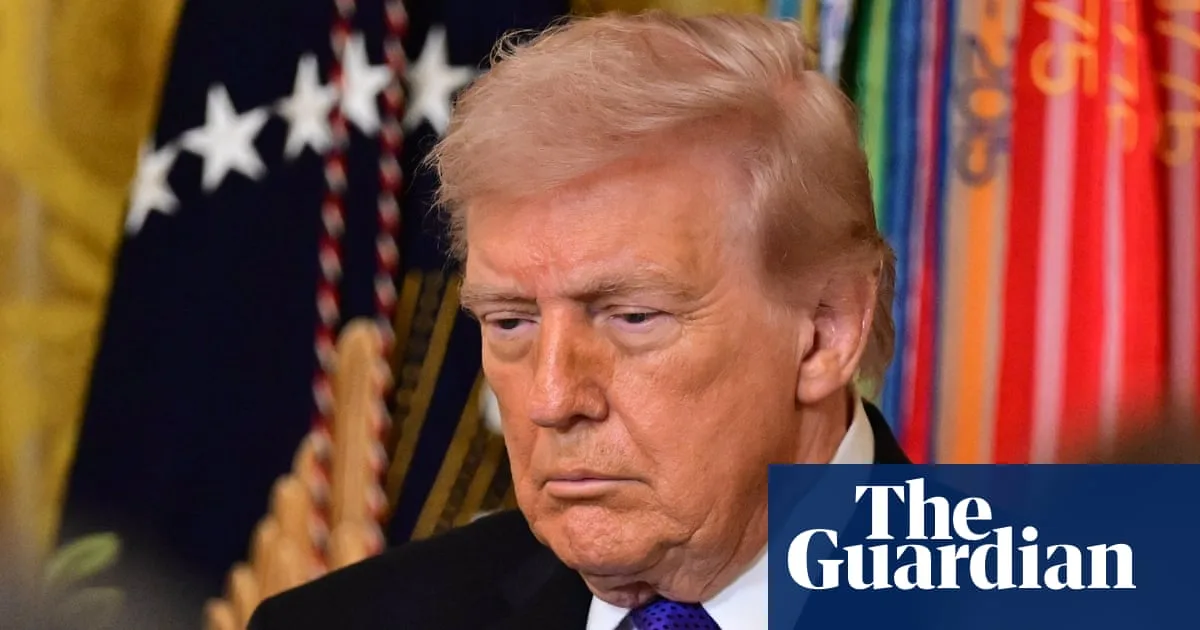
Starmer Stands Firm on Iran Decision Despite Trump's Scathing Criticism
Prime Minister Keir Starmer has today emphatically defended his controversial handling of the escalating Middle East crisis, declaring he "stands by" his initial refusal to support American military strikes against Iran. The Labour leader faced a blistering rebuke from former US President Donald Trump, who expressed profound disappointment with Britain's stance.
Mounting Diplomatic Tensions
Addressing a tense House of Commons, Sir Keir acknowledged that Washington was displeased with the United Kingdom's reluctance to participate in joint operations with Israel against Iranian targets. "It's my duty to judge what is in Britain's national interest," the Prime Minister asserted. "That is what I've done and I stand by it."
This defiant statement comes amid a significant policy shift, with the government now permitting American forces to utilize British military bases for defensive purposes against potential Iranian retaliation. Sir Keir clarified to Parliament: "The use of British bases is limited to the agreed defensive purposes... We are not joining the US-Israeli strikes."
Trump's Unprecedented Disappointment
Donald Trump delivered a stinging assessment of the Prime Minister's approach, telling The Telegraph he was "very disappointed" with Sir Keir's delayed decision-making. The former president suggested Britain's initial refusal represented an unprecedented moment in the Special Relationship between the two nations.
"That's probably never happened between our countries before," Mr Trump remarked. "It sounds like he was worried about the legality." The criticism was echoed by US Secretary of War Pete Hegseth, who contrasted Britain's hesitation with Israel's decisive partnership.
Internal Political Turmoil
The Prime Minister faces mounting pressure from multiple fronts, including significant dissent within his own party. Conservative leader Kemi Badenoch launched a scathing attack, accusing Sir Keir of being "scared" of voters whose political loyalties are influenced by Middle Eastern conflicts rather than British national interests.
"In towns and cities across Britain there are large blocs of voters that Labour see as their voters whose political loyalties are swayed by conflicts in the Middle East, not the British national interest," Mrs Badenoch stated. She argued the government had only acted when compelled by circumstances, noting that ministers still refuse to explicitly endorse the military actions.
Strategic Reassessment
The policy adjustment followed Iran's drone and missile attacks on neighboring states, prompting the government to authorize US forces to operate from UK bases for defensive operations. Downing Street maintains this does not constitute a U-turn, despite the Prime Minister's initial reluctance to support or even comment on the joint strikes with Israel.
Foreign Secretary Yvette Cooper defended the government's position, telling Times Radio: "Our assessment was that it was not in the UK's interests to provide support for the action that took place over the weekend. But it is in UK interests and it is the right thing to do – given how many British citizens that we have in the region – to support this defensive action now."
Regional Escalation and Security Concerns
Hostilities in the Middle East have intensified, resulting in the death of Iranian Supreme Leader Ayatollah Ali Khamenei. Shortly after Sir Keir's announcement, the UK base in Cyprus was targeted, though no casualties were reported. Israel has launched strikes on Beirut after Hezbollah fired missiles across the border.
With approximately 300,000 British nationals potentially at risk in the Gulf region, the Prime Minister accused Iran of pursuing a "scorched earth strategy." He emphasized that British forces would not be directly involved in offensive operations, with bases being used only for "specific and limited defensive purposes" targeting missile storage depots and launchers threatening neighboring countries.
International Comparisons and Legal Scrutiny
The government's cautious approach contrasts with more supportive stances from allies. Canadian Prime Minister Mark Carney expressed support for "the US action" to prevent Iran from obtaining nuclear weapons, while Australian leader Anthony Albanese used similar supportive language.
Sir Keir's initial refusal reportedly followed legal advice from Attorney General Lord Hermer emphasizing international law considerations. However, shadow attorney general Lord Wolfson dismissed this reluctance as "weak and wrong," suggesting Canada and Australia possessed superior legal counsel.
Political Fallout and Parliamentary Pressure
The Liberal Democrats and Greens are pushing for a Commons vote on the decision, compounding political difficulties for Sir Keir following Labour's surprising defeat by the Greens in the Gorton & Denton by-election. Reform UK leader Nigel Farage described the Prime Minister's approach as "frankly pathetic" and potentially damaging to NATO relations.
As the crisis enters its third day, the government finds itself navigating complex diplomatic waters while managing significant domestic political pressures. The joint statement with France and Germany condemned Iran's retaliation without explicitly endorsing the strikes, reflecting the delicate balancing act facing British policymakers.




