Omar and Mace Engage in Heated Online Exchange Over Iran Supreme Leader Death
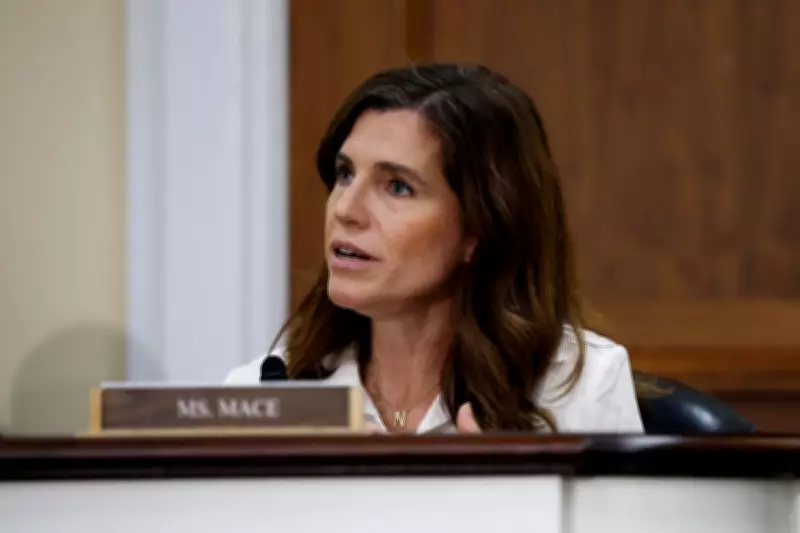
Democratic Congresswoman Ilhan Omar and Republican Congresswoman Nancy Mace have been involved in a sharp and public dispute on social media platform X, following comments made by Mace about the death of Iran's supreme leader. The exchange underscores the deep political divisions and personal animosities that continue to characterise interactions between members of opposing parties in the House of Representatives.
Mace's Provocative Post Sparks Controversy
Nancy Mace initiated the conflict by sharing a graphic from Fox News on X, which implied that Ilhan Omar and Rashida Tlaib, the first two Muslim women elected to the House, might be grieving the reported killing of Iran's supreme leader. This post was widely interpreted as suggesting sympathy or connection between the Democratic representatives and the Iranian leadership, a notion that Omar and Tlaib have consistently rejected.
In her response, Ilhan Omar did not hold back, directly questioning whether Mace was "drunk" when she made the post. This remark referenced previous allegations from Mace's former staff members, who have claimed that she used alcohol and cannabis during her time in office. Omar's retort was seen as a pointed attempt to discredit Mace's credibility and highlight what she perceives as irresponsible behaviour from her colleague.

Omar Clarifies Position and Criticises Military Actions
Following the initial exchange, Omar took the opportunity to clarify her stance, emphasising that neither she nor Rashida Tlaib have any connection to the Ayatollah or the Iranian regime. She stated, "We have no ties to the Ayatollah, and such insinuations are baseless and dangerous." Additionally, Omar criticised potential military strikes against Iran, arguing that such actions would "inflame tensions" rather than enhance safety, reflecting her longstanding opposition to aggressive foreign policies.
This is not the first time Omar and Tlaib have been targeted by political opponents, particularly from MAGA supporters and conservative circles. Both representatives have been vocal critics of the Trump administration's policies, including its military interventions and strict immigration measures, which has made them frequent subjects of attack from Republican figures.
Broader Implications of the Political Spat
The online sparring between Omar and Mace highlights the ongoing and often toxic nature of political discourse in the United States, especially on social media platforms. It reflects how personal allegations and partisan rhetoric can quickly escalate, diverting attention from substantive policy debates. This incident also underscores the challenges faced by Muslim women in politics, who often confront stereotypes and unfounded accusations regarding their loyalties.
As tensions persist, such exchanges risk further polarising an already divided political landscape, with potential impacts on legislative cooperation and public trust in elected officials. The episode serves as a reminder of the need for more respectful and fact-based dialogue in political communications.