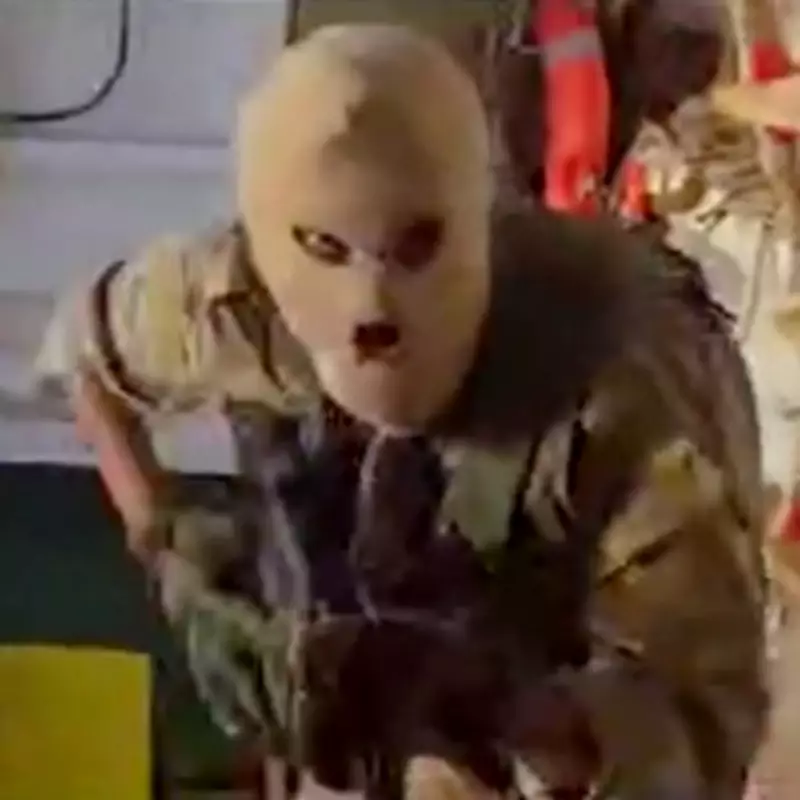
Masked Iranian soldiers have been filmed seizing commercial vessels in the Strait of Hormuz, in a dramatic escalation of tensions in the key waterway. The footage, aired by Iranian State TV, shows heavily-armed military men taking control of the Panama-flagged MSC Francesca and the Greek-flagged Epaminondas after approaching on speed boats and boarding using rope ladders on Wednesday.
Revolutionary Guard Claims Responsibility
Iran’s Revolutionary Guard said they carried out the mission after accusing the vessels' crews of "tampering with navigation systems and jeopardising maritime security" and "operating without authorisation." The seizures came as prospects of peace talks between Iran and the US appeared unlikely, with the regime accusing the Americans of a "lack of good faith" in negotiations.
Background of the Incident
On Wednesday, Iran fired on three ships in the Strait of Hormuz and seized two of them, intensifying its assault on shipping in the waterway. This occurred a day after US President Donald Trump extended a ceasefire while maintaining an American blockade of Iranian ports. Pakistan had planned to host another round of talks, but the White House suspended Vice President JD Vance’s planned trip to Islamabad as Iran rebuffed efforts to restart discussions.

Iranian media reported that the paramilitary Revolutionary Guard would bring the two ships to Iran, marking a further escalation. However, the White House stated that the seizures did not violate ceasefire terms. Last Saturday, Iranian gun boats targeted commercial ships after the regime reclosed the strait, stating it was in response to a US blockade they claimed amounted to "maritime robbery."
Details of the Attacks
New footage shows Iranian soldiers boarding the MSC Francesca and Epaminondas. A container ship was hit by an "unknown projectile" at around 12.25pm UK time, about two hours after the IRGC reportedly fired on a tanker. Shortly after 1pm UK time, the master of a cruise ship reported "sighting a splash in close proximity of the vessel" three nautical miles east of Oman. The UK Maritime Trade Operations Centre reported all three incidents, describing the cruise ship incident as "suspicious activity."
Political Reactions
Trump has said he will not allow Iran to blackmail the US, while Iran's Supreme Leader Mojtaba Khamenei has claimed the country's "valiant navy" is "ready to inflict new bitter defeats on its enemies." The regime has vowed it "will not make even the slightest compromise, retreat or leniency, and will defend with all its strength the interests of the Iranian nation." It has also emphasised it will continue to control the Strait of Hormuz "until the war is definitively ended and lasting peace is achieved."
Iran's First Vice President Mohammad Reza Aref has said: "Control of the Strait of Hormuz is in our hands. Either they grant us our right at the negotiating table or we seize it on the battlefield." About 20% of the world’s oil trade passes through the strait, which has been blocked since early in the US-Israeli war on Iran. It temporarily reopened last Friday before being closed again early on Saturday morning.
Impact on UK and Global Economy
The continued closure risks causing a summer of misery for British households amid fears of rising bills and potential shortages, including jet fuel. Prime Minister Starmer said the UK and France will lead an international mission to protect freedom of navigation in the waterway "as soon as conditions allow, strictly peaceful and defensive." The government has reportedly drawn up emergency plans for a "reasonable worst-case scenario" where the ongoing closure leads to a shortage of carbon dioxide.

It was claimed last week that healthcare and civil nuclear energy would be prioritised because CO2 is needed to cool blood supplies, organs and vaccines, as well as for electricity supply. Brits have also been advised to stock up on certain goods and "prepare for the unexpected" as the war continues. Other sectors also risk being left without, including farming, food and drink manufacturers, and hospitality. CO2 is used to increase the shelf life of food such as salad, meats and baked goods, and is also critical in animal slaughter. The gas is also used to make drinks fizzy – so supply disruption could even impact beer drinkers cheering on England and Scotland in the World Cup.
A lack of fertiliser has also led to separate warnings from farmers about soaring costs which could prevent them growing new crops, and potentially higher prices. The strait's closure even threatens to affect holiday flights amid warnings Europe has less than six weeks of jet fuel left.