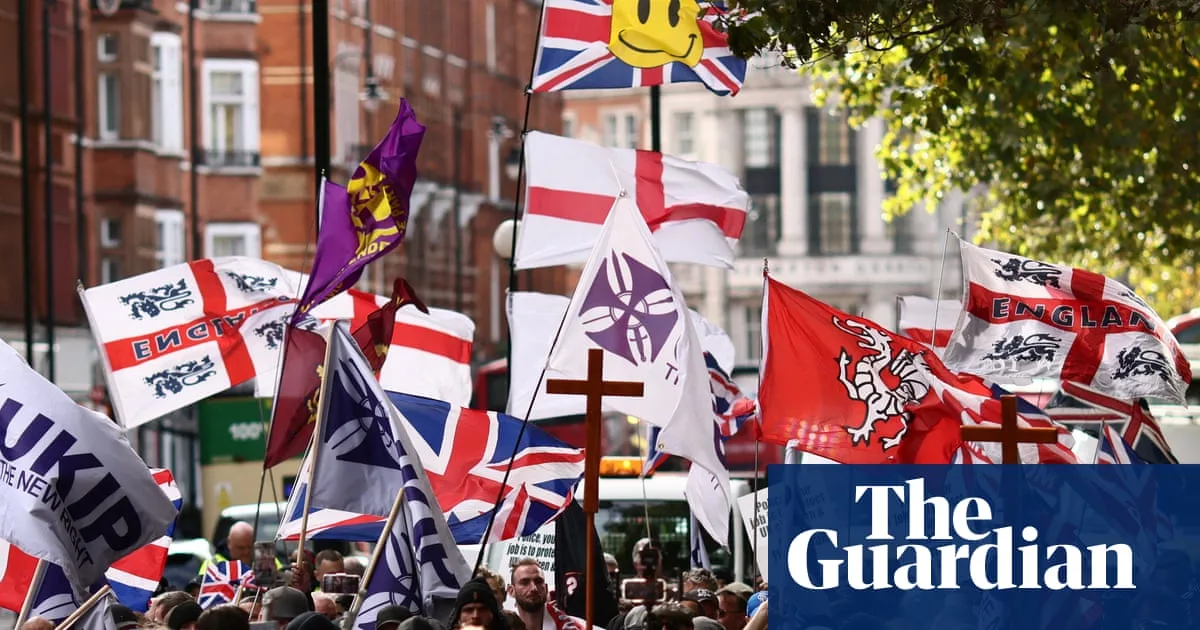
The Metropolitan Police has taken decisive action to prevent a planned anti-immigration march by the UK Independence Party (Ukip) from proceeding through the London borough of Tower Hamlets. Authorities have cited substantial fears of serious violence and public disorder, particularly from local community reactions, as the primary reason for imposing these restrictive conditions on the protest.
Public Order Concerns Prompt Police Intervention
Metropolitan Police Deputy Assistant Commissioner James Harman confirmed that while the march scheduled for 31st January has not been completely banned, it cannot take place in Tower Hamlets. The protest, which calls for mass deportations, will be permitted to proceed in alternative locations within London where police assess there is significantly lower risk of violent confrontation.
"It would be reckless to allow an event to go ahead when we understand there's a risk of serious violence to members of the community and to our officers," Harman stated emphatically. "For that reason, we have made the decision to impose conditions on this planned demonstration."
Multiple Risk Factors Considered
Police commanders conducted a comprehensive risk assessment that considered numerous factors before reaching their decision. Harman explained that the assessment included "the nature of the protest, the location of the protest, what communities have told us about their fears, what we have seen take place previously, and what we understand to be the risk of Ukip going to Tower Hamlets."
The deputy assistant commissioner specifically highlighted that "the biggest risk according to the Met's assessment is the reaction of locals in Tower Hamlets." This east London borough has a substantial Bangladeshi population and a documented history of experiencing racist attacks while simultaneously developing resistance movements, sometimes involving confrontational responses.
Historical Context and Community Relations
Tower Hamlets has previously been the focal point for similar tensions. In 2011, then Home Secretary Theresa May banned an English Defence League march planned for the area over comparable violence concerns. More recently, in October last year, police made a similar decision to redirect a Ukip march away from Tower Hamlets following community mobilisation against far-right demonstrations.
Harman acknowledged potential criticism of the police decision but defended the approach: "I understand some of the criticism that may be levelled. I understand some of the perceptions people may have or may choose to have, but we have to be clear eyed about our role, which is about protecting communities."
Distinction from Previous Football Ban Controversy
The police decision comes amid ongoing controversy surrounding West Midlands Police's banning of Maccabi Tel Aviv fans from a football match in Birmingham last November. While that ban prompted the resignation of Chief Constable Craig Guildford following a critical report, Harman emphasised that the Ukip march situation differs significantly.
"I won't draw a comparison with Maccabi, but it's not a ban," Harman clarified. "On 31 January, Ukip may very well be able to undertake their protest, but to do so at a location which we do not feel, we do not assess, we do not believe, to pose a risk of serious disorder and serious violence."
Enforcement and Broader Protest Policing Context
The Metropolitan Police has made clear that anyone ignoring the imposed conditions and believed to be participating in the Ukip protest within the restricted area will face arrest. This firm enforcement stance reflects the increasing complexity of protest policing that the Met has been managing across London.
Harman, who leads for the Met on public order and protests, revealed that demonstrations have intensified in both complexity and frequency across diverse causes ranging from pro-Palestinian activism to protests against the Iranian regime. Remarkably, the Metropolitan Police has spent approximately £76 million policing 884 separate protests over just two years, highlighting the substantial resources dedicated to maintaining public order during demonstrations.
The decision regarding the Ukip march represents the latest chapter in the ongoing balancing act between protecting the right to peaceful protest and preventing violence in communities with complex social dynamics and historical tensions.