

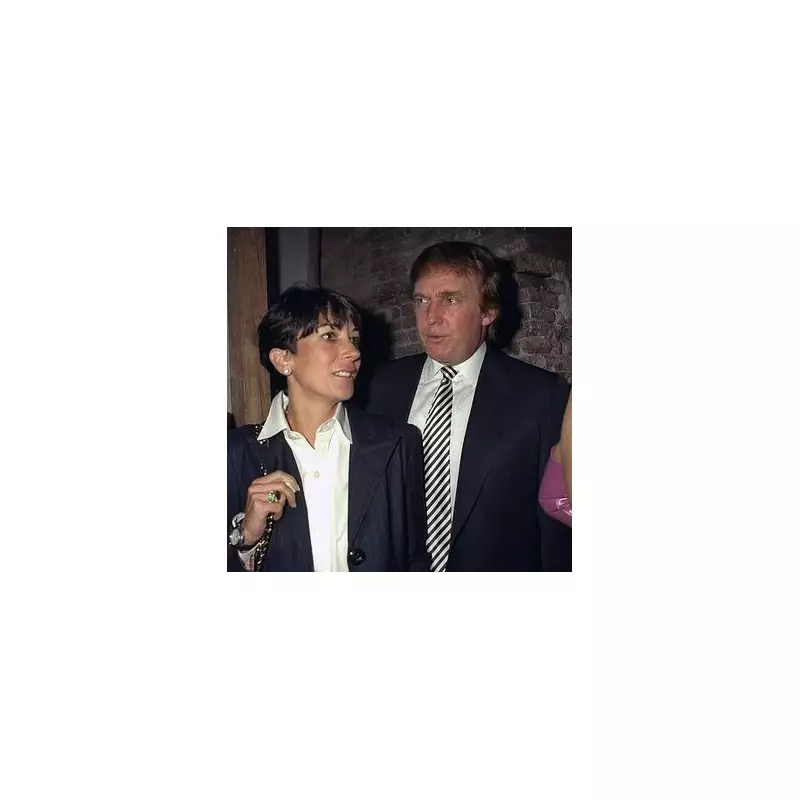
Ghislaine Maxwell's Congressional Appearance Will Feature Deliberate Silence
Convicted sex trafficker Ghislaine Maxwell is scheduled to appear virtually before the House Oversight and Government Reform Committee on February 9, where she intends to invoke her Fifth Amendment rights against self-incrimination. This calculated decision means she will offer no answers, provide no detail, and deliver no reckoning for her crimes - only a studied silence that speaks volumes about the ongoing power dynamics surrounding the Jeffrey Epstein scandal.
Silence as a Strategic Weapon
Maxwell's legal team has already indicated she will plead the Fifth on every substantive question posed by congressional investigators. While officially presented as a routine assertion of constitutional rights, this silence represents something far more significant. Maxwell understands power dynamics intimately, having spent years as Epstein's fixer and recruiter, protecting the interests of wealthy and influential men by ensuring their secrets remained buried.
Her current calculation appears brutally simple: say nothing, reveal nothing, and preserve her value to those who might still hold power to affect her future. This strategy transforms what could be a moment of accountability into a carefully orchestrated performance of non-cooperation.

The Trump Connection
Maxwell's silence appears particularly directed toward one individual: Donald Trump. Their social connections in New York and Florida have been extensively documented through photographs, flight logs, party guest lists, and witness accounts. What remains unknown - and what Maxwell potentially knows - is the true depth of that relationship, what was discussed, what was witnessed, and what was understood between the parties.
This knowledge represents Maxwell's remaining leverage. By staying silent about Trump's friendship with her and Epstein, she maintains her usefulness to a former president who has repeatedly demonstrated that loyalty and usefulness, rather than justice, represent the currency he values most highly.
Congressional Dynamics and Legal Realities
The committee's Republican chairman, James Comer, has acknowledged Maxwell's intention to plead the Fifth, while Democrats have pushed for contempt proceedings, arguing her refusal amounts to obstruction of Congress. However, without Congress offering immunity, Maxwell has minimal incentive to cooperate.
Her legal team has dismissed the deposition as "pure political theatre" and a "waste of taxpayer money." While a witness who refuses to speak does render the process largely hollow, the spectacle nevertheless matters significantly. It exposes how power continues to shield those at the centre of the Epstein scandal, even after convictions have been secured.
Broader Context of Secrecy and Protection
Maxwell's appearance occurs amid growing frustration with the US Justice Department's handling of Epstein-related documents. Millions of pages remain sealed despite legal requirements that only material identifying victims or active investigations should justify redaction. This creates a fog of secrecy that primarily benefits the powerful.
Democrats on the committee have accused the Justice Department of giving Maxwell "special treatment" - a charge that carries weight when considering how her silence is being carefully managed, delayed, and protected even as she serves her 20-year prison sentence.
The Remaining Escape Routes
With her failed appeal to the Supreme Court leaving her with limited legal options, Maxwell's only realistic escape routes now involve presidential intervention. A pardon or sentence commutation, however remote that possibility might seem, represents her last hope for early release.
This reality explains her strategic silence completely. Once she speaks, her value to potential benefactors disappears. As long as she maintains her silence about Trump's connections to Epstein, she remains potentially useful to those who might exercise clemency powers in the future.

A Grim Reminder About Power and Accountability
When Maxwell appears on screen in February, her silence will be deliberate and calculated. It will not stem from fear of prosecution but from hope - hope that by shielding Trump from further scrutiny, she might yet be rewarded.
This situation serves as a grim reminder that in the Epstein scandal, accountability still stops where power begins. The spectacle of a convicted criminal refusing to testify before Congress while carefully preserving her leverage over powerful figures demonstrates how justice remains incomplete when influential connections persist.





