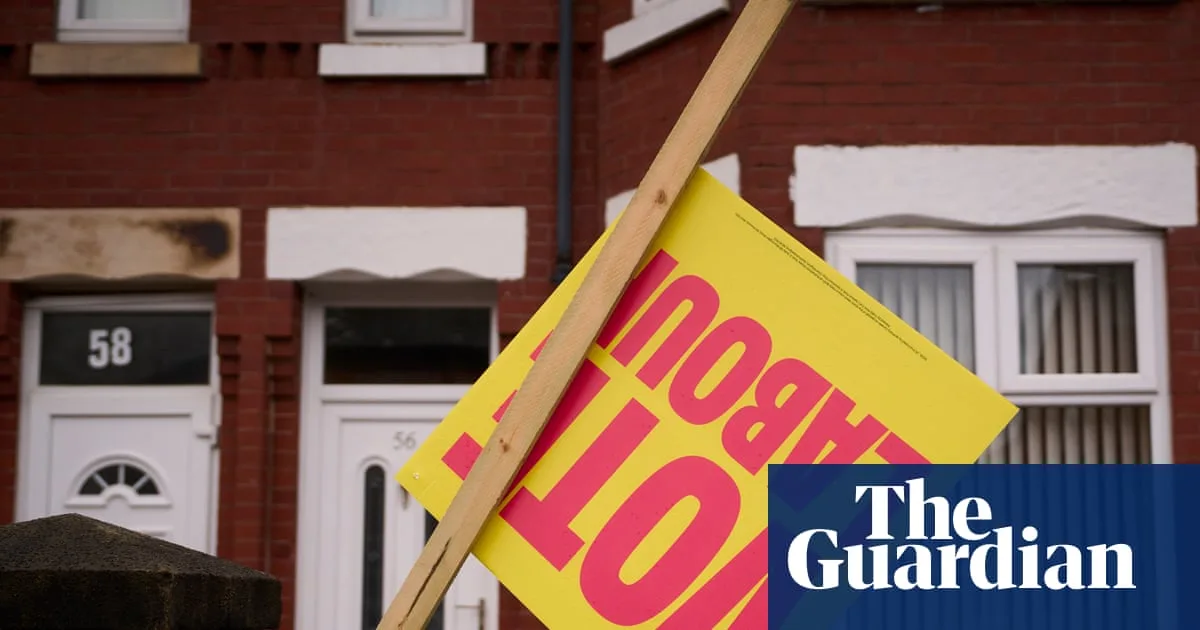
Labour's Gorton and Denton Byelection Defeat: A Green Surge Shakes Westminster
Labour's Gorton and Denton Defeat: Green Surge Shakes Politics

Labour's Gorton and Denton Byelection Defeat: A Green Surge Shakes Westminster

In a stunning upset, the Labour Party suffered a humiliating third-place finish in the Gorton and Denton byelection, trailing behind the victorious Green party and Reform UK. This result has sent shockwaves through Westminster, exposing deep voter disillusionment and strategic missteps by Keir Starmer's leadership.

Misplaced Optimism and Strategic Blunders

From the outset, Labour strategists were desperate to project confidence, billing the contest as a "two-horse race" with Reform UK. Hollie Ridley, Labour's general secretary, even sent a note to Number 10 in late January claiming only 3% of voters backed the Greens. Cabinet ministers were dispatched to assure journalists that data looked positive and Labour had mounted its biggest ever "get out the vote" operation.

However, this optimism proved wildly misplaced. The strategy aimed to position Labour as the pre-eminent stop-Reform party, following lessons from Plaid Cymru's win in Caerphilly. Yet, polling, betting markets, and on-the-ground reporting told a different story. Voters cited disillusionment with the government's performance, Labour's decision to block Greater Manchester mayor Andy Burnham from standing, and broader chaos, including the Peter Mandelson scandal.

Wide Pickt banner — collaborative shopping lists app for Telegram, phone mockup with grocery list

The Greens' Authentic Campaign Triumphs

While Labour floundered, the Greens executed a masterful campaign. They selected Hannah Spencer, a 34-year-old local plumber, as their candidate. Her relatable persona and spirited message of hope and change resonated deeply with voters. Spencer's face was ubiquitous on billboards, social media, and streets, and she even balanced campaigning with a plastering course.

Signs of Green confidence emerged early, with journalists given detailed plans for Spencer's victory lap, including mid-afternoon karaoke and iftar celebrations at a mosque. In contrast, Labour could only pray for bad weather to suppress turnout. A Labour councillor lamented at 8pm, "It was raining for hours and now it's cleared up," hoping a wet Manchester would drive down votes for the Greens and Reform.

Labour's Despondency and Internal Divisions

As polls closed, Labour's despondency became public. Andrew Western, an MP and the party's political lead, released a statement calling byelections "always difficult for incumbent governments" and criticising the "anger and easy answers" of Reform and the Greens. By 1am, Labour conceded defeat, with a source claiming they "been able to turn out support in a way they wouldn't be able to replicate at a general election." A Green spokesperson dismissed this as "desperate."

Internally, Labour MPs are divided on the path forward. Some advocate a swing to the left and a "more Labour" approach, with calls for leadership changes to Andy Burnham or Angela Rayner. The Mainstream Group, supportive of Burnham, demands a "fundamental reset," while Unite's Sharon Graham advises: "Stop listening to your rich mates and start listening to everyday people." Others, like Chris Curtis from the "growth group," see the result as a wake-up call about a broken system that rewards gaming over grafting.

Reform's Controversial Role and Broader Implications

Reform UK, which came second, faced criticism for its candidate Matt Goodwin, an academic who refused to disown claims that UK-born people from minority ethnic backgrounds are not necessarily British. Goodwin warned of "dangerous sectarianism" and expressed concern about Britain's direction. The party also alleged "electoral fraud" due to "family voting" in predominantly Muslim areas, though these claims are unverified.

Looking ahead, Labour strategists grapple with a fragmented coalition, haemorrhaging votes on the left in seats like Gorton and on the right in areas like Runcorn. A former Number 10 aide suggests national elections might allow Starmer to position Labour as the sole force to stop Reform, but another warns against taking heart, noting Reform will weaponise divisions on the left.

Pickt after-article banner — collaborative shopping lists app with family illustration

Ultimately, the Gorton and Denton byelection serves as a stark wake-up call for Labour, highlighting the power of authentic campaigning and the perils of voter apathy. As Hannah Spencer celebrates with chips and curry sauce, Labour faces a long road to recovery.