The Green Party's Political Ascendancy and Policy Dilemmas
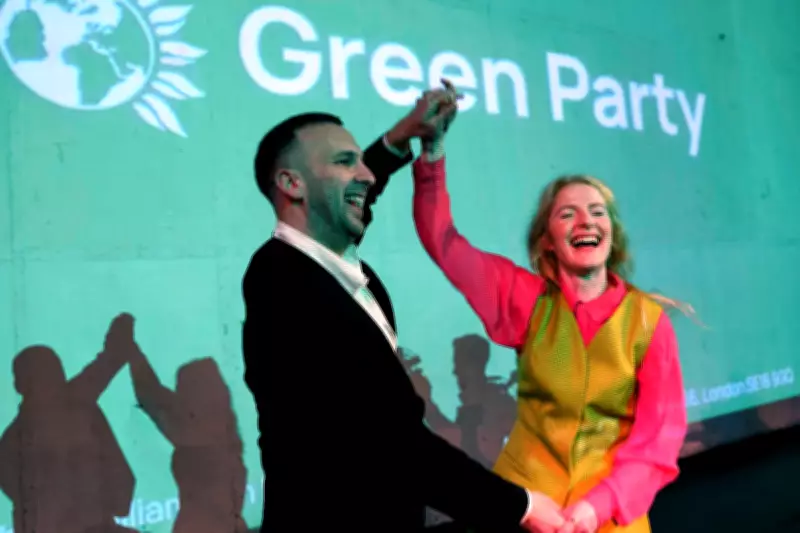
With five Members of Parliament and a truly historic by-election result secured, the Green Party has undeniably come of age in British politics. Consequently, some of its more unconventional policies can no longer be dismissed with mere laughter, as noted by commentator Chris Blackhurst. The victory of Hannah Spencer in the Gorton and Denton by-election represents a significant breakthrough, highlighting how Zack Polanski and Spencer managed to cut through the political noise while mainstream media and major parties criticised their eccentricity.
A Ruthless Campaign and Authentic Connection
The Greens fought a hard, ruthless campaign, facing brutal opposition from both Reform and Labour. Their strategic choice of candidate—Hannah Spencer, a local, young, bona fide female blue-collar worker without a university education—proved to be a direct hit. Assisted by Polanski, Spencer emerged as the real deal, speaking the language of the electorate, understanding their circumstances, and sharing their struggles with authenticity and empathy.
Moreover, the Greens displayed a calculating, non-cuddly toughness by publishing leaflets in multiple languages and repeatedly portraying the bombed desolation of Gaza. This approach resonated deeply with the large Muslim community in the constituency, further solidifying their support.

Scrutinising the Greens' Controversial Policies
However, serious questions must be raised about the Greens' policies, as some simply do not stack up under rational scrutiny. For instance, their proposal to legalise hard drugs could lead to an escalation of addiction and a potential drugs free-for-all, making it a nonsensical measure. Similarly, allowing migrants access to the NHS, while well-meaning, may exacerbate pressures on housing and health services, rather than providing solutions to existing complaints.
In contrast, Labour and Reform exhibit alarming tendencies towards Trumpian immigration enforcement, leaving voters with limited alternatives. Yet, the Greens' proposals risk worsening the very issues they aim to address.
Economic Concerns and Wealth Tax Debates
Polanski's call for a wealth tax has garnered cheers in some quarters, but he appears heedless of the global failures of similar policies. He argues that Green-led government spending, through borrowing for capital infrastructure and investment, could create spending multipliers that benefit the economy. However, this rhetoric echoes past promises that have often fallen short.
The fear is that Polanski's disregard for financial markets could have effects reminiscent of Liz Truss's tenure, albeit with intentional targeting of bond markets. This raises concerns about economic stability and fiscal responsibility.
Shifting Political Dynamics and Youth Engagement
Nevertheless, a clear shift has occurred in the political landscape. The call to lower the voting age has faded, partly because private Labour polling reveals that young voters prioritise environmental issues and their future. Parents, too, share these concerns, wishing for their children to enjoy healthy, long lives.
While fears about Chinese imperialism, Russian aggression, and potential wars have an impact, the urgency of saving the Earth gains more traction than increased defence spending. Here, the Greens have a natural advantage, as their name and mission resonate deeply with these priorities.
Alienation and Economic Struggles
Young people and their parents feel alienated, having followed advice to study and attend university only to face unemployment and spiralling debt. Keir Starmer and his colleagues claim to be reviewing these issues, but such reviews often lack real action. Meanwhile, discussions about higher taxes continue, adding to public frustration.
Hannah Spencer's victory speech encapsulates this sentiment: 'I am no different to every single person here in this constituency. I work hard. That is what we do. Except things have changed a lot over the last few decades, because working hard used to get you something. It got you a house, a nice life, holidays, it got you somewhere.'

She continued, 'But now, working hard, what does that get you? Because talk to anyone here and they will tell you. The people who work hard, but can't put food on the table, can't get their kids school uniforms, can't put their heating on, can't live off the pension they worked hard to save for, can't even begin to dream about ever having a holiday, ever.'
If Starmer has a downstairs loo, her words should be framed on the wall, as they should for every Cabinet member. These concerns once belonged to Labour, but now they reside with the Greens. Just as Gorton and Denton used to be Labour's and today is Green, the political allegiances are shifting, marking a new era in British politics.