DWP Minister Clarifies Government Stance on WASPI Compensation
A high-ranking minister from the Department for Work and Pensions has provided a detailed update regarding compensation for the Women Against State Pension Inequality campaign. Labour ministers previously announced in January 2026 that there would be no financial payouts for the generation of women born in the 1950s who were impacted by the increase in the state pension age for women.
Background of the WASPI Campaign
The WASPI campaigners argue that these women were not adequately informed in advance about the change in the state pension age, which was raised from 60 to 65 and then to 66. Many of the affected women claim they remained unaware until the last minute, leading to shattered retirement plans and significant financial hardship. The Parliamentary and Health Service Ombudsman conducted an investigation and found evidence of maladministration, stating that the DWP should have sent letters to the women earlier to notify them of the changes.
The Ombudsman recommended that compensation ranging from £1,000 to £2,950 should be provided to each affected woman, with some potentially receiving up to £3,000. However, the government has dismissed this recommendation, arguing that sending out letters earlier would have made little practical difference and that most women were already aware their state pension age was increasing.

Minister's Explanation to MPs
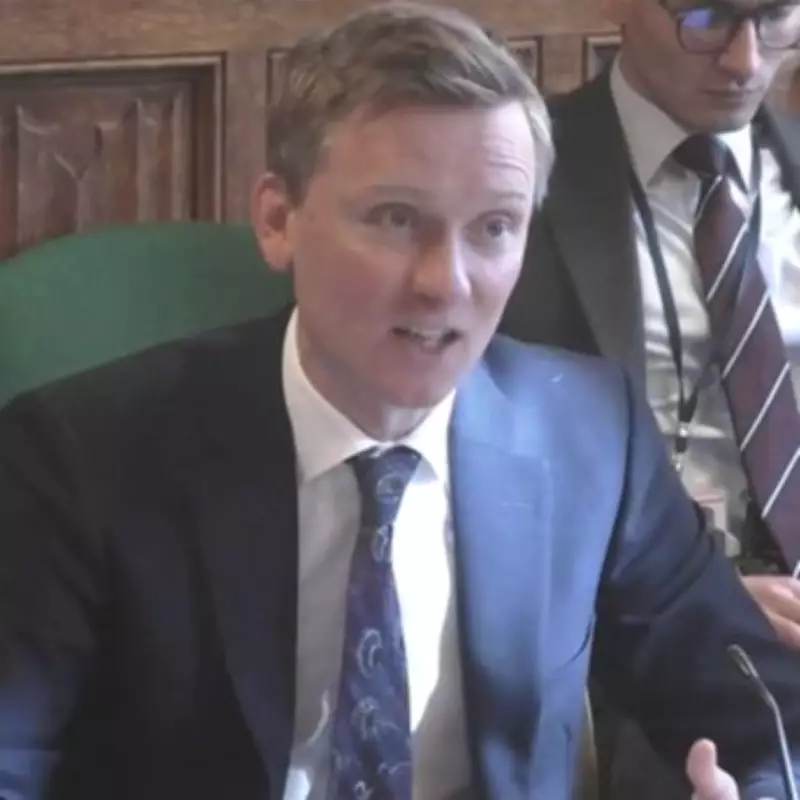
DWP minister Torsten Bell recently addressed the Work and Pensions Committee, explaining the government's decision to disagree with the Ombudsman's ruling. He acknowledged that while the government recognises the maladministration and has apologised for the mistakes, it has come to a different conclusion regarding the remedy.
Mr Bell stated: "It is unusual, but not unprecedented, for us to come to a different conclusion from them. It is clearly for the PHSO to come to judgments on maladministration, and we have reflected that in how we have engaged with it. We have obviously come to a different view on remedy, and we have set out the reasons for that at great length."
He emphasised that the government holds the PHSO in high regard and values its role in providing an important route for complaints after other processes have been exhausted. Mr Bell highlighted that there are regular meetings between the DWP and the Ombudsman to discuss action plans and ongoing issues.
Future Changes to State Pension Age
Looking ahead, the state pension age is set to rise again, with a gradual increase from 66 to 67 scheduled between April 2026 and April 2028. Furthermore, the access age will further increase from 67 to 68 between 2044 and 2046. These changes underscore the ongoing adjustments to the pension system and the importance of clear communication to prevent similar issues in the future.
The government's stance remains firm, with no compensation planned for the WASPI women, despite continued advocacy and public pressure from campaign groups seeking redress for the alleged lack of notification and its consequences on their retirement planning.