Parents Express Deep Dissatisfaction with Traditional Schooling System
A significant survey of 1,000 parents with children aged 11 to 16 has uncovered profound concerns about the current education framework. The data indicates that seven out of 10 parents believe the school system is failing to allow children to thrive, while a substantial 62% fear their child's secondary school experience could be damaging to their future due to a lack of tailored support.
Key Findings Highlight Systemic Issues
The research, commissioned by Hatfield Wick Education, paints a picture of a system under strain. Three quarters of parents feel classrooms are excessively crowded and that lessons rely too heavily on passive activities like sitting still, listening, and writing at a uniform pace—approaches that do not suit every pupil's learning style.
Furthermore, nearly half (49%) of respondents argue there is an overemphasis on grades and exams, which they claim generates high stress levels without adequately reflecting real-world skills. This sentiment is echoed by 71% of parents who believe schools should place greater emphasis on practical life skills.

Neurodivergent Learners Particularly Affected
The survey reveals specific anxieties regarding neurodivergent and non-typical learners. A striking 77% of parents believe traditional secondary schools are built around a narrow concept of a typical learner, while 65% feel these institutions fail to accommodate children with neurodivergent traits and additional learning needs.
Adam Smyth, founder of Hatfield Wick Education, commented on the findings. "While we are in no way ‘bashing’ mainstream education, what this research has highlighted is an increasing need for a more flexible approach to support students," he stated. "Many students need a calmer, more supportive approach to education than what the traditional secondary school system supplies. The current school system is often ill-equipped to provide foundational emotional safety for such pupils."
Rise in Alternative Education Exploration
In response to these concerns, the study found that 31% of parents have actively explored alternatives to mainstream schooling. Among these, the most common options considered include:
- Home schooling (59%)
- Alternative schools (38%)
- Specialist education provision (34%)
This shift in parental attitude underscores a growing demand for educational models that prioritise individual needs over standardised approaches.
New Specialist Campus Set for Essex Opening
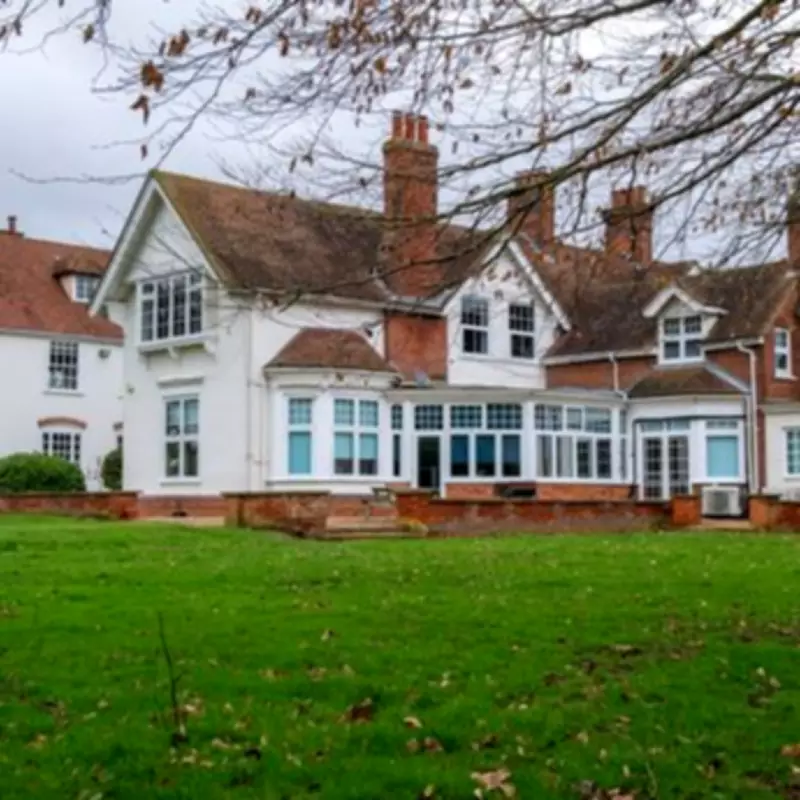
In direct response to this identified need, Hatfield Wick Education is planning to open its Whiteland campus in Essex this September, subject to final approval from the Department for Education. The campus is designed as a purpose-built environment that integrates therapeutic provision seamlessly into the academic day, specifically catering to students with more complex neurodivergent needs.
Adam Smyth elaborated on the vision for the new facility. "Education is too structured about learning from the head up - we want to empower both students and parents who are having to find their way in the dark," he said. "We want kids to have ownership over what they want to achieve in life and help them work towards that."
The research also highlighted other parental priorities, with 54% advocating for greater focus on social development and 52% on mental wellbeing. Additionally, half of the parents surveyed believe there should be a stronger emphasis on creativity over purely academic subjects during lessons.
Ultimately, 56% of parents expressed concern that their child risks falling short both academically and in later life because secondary schools cater too heavily to the average child, failing to support individual needs—a worry shared by more than three in 10 (31%) respondents specifically regarding their child's unique requirements.