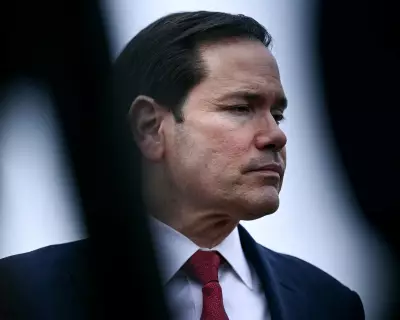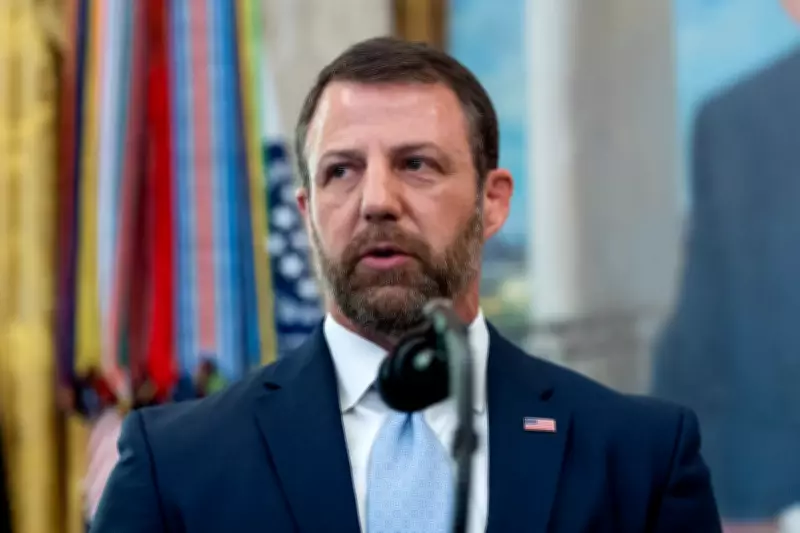
In a significant administrative shift, Homeland Security Secretary Markwayne Mullin has officially rescinded a restrictive rule mandating his personal approval for all Department of Homeland Security (DHS) expenditures exceeding $100,000. This decision, announced on Wednesday, 1st April 2026, marks the first major policy reversal by the newly sworn-in secretary and is poised to alleviate bureaucratic hurdles that have hampered the Federal Emergency Management Agency's (FEMA) disaster response and recovery operations.
Ending a Controversial Policy
The rule, originally implemented by Mullin's predecessor, Kristi Noem, required that any DHS spending over $100,000 receive direct approval from the Homeland Security Secretary's office. Critics argued that this process created unnecessary delays and administrative burdens, particularly for FEMA, which often needs to act swiftly in the aftermath of natural disasters and emergencies. The policy had been widely condemned for impeding efficient relief efforts, as it added layers of bureaucracy to critical funding decisions.
Impact on FEMA and Disaster Response
By removing this approval requirement, Mullin aims to streamline operations within DHS, allowing agencies like FEMA to respond more quickly and effectively to crises. FEMA, which plays a crucial role in coordinating federal disaster assistance, had reportedly faced challenges under the old rule, with delays in approving funds potentially slowing down recovery efforts for affected communities. This change is expected to enhance the agency's agility, enabling faster deployment of resources and support to disaster-stricken areas.

Markwayne Mullin, who was sworn into office just last week, has positioned this move as a step toward improving departmental efficiency. In a statement, he emphasized the need for responsive governance, particularly in emergency situations where timely action is paramount. The rescission of the rule reflects a broader effort to reassess and modify policies inherited from the previous administration under Secretary Noem, who was dismissed by President Donald Trump in March 2026.
Political Context and Future Implications
This policy reversal comes amid ongoing scrutiny of DHS's operational effectiveness. The decision to end the $100,000 approval process is seen as a direct response to criticisms from within the department and external stakeholders, who argued that such micromanagement hindered mission-critical functions. As Mullin settles into his role, further changes to DHS protocols may be anticipated, with a focus on enhancing coordination and reducing red tape across its various agencies.
The Associated Press reported this development, noting that it underscores the shifting dynamics within Homeland Security leadership. While the immediate impact is expected to benefit FEMA's disaster relief capabilities, the long-term effects on DHS's budgetary oversight and accountability remain to be seen. Nonetheless, this action signals a commitment to operational reform under the new secretary's tenure.