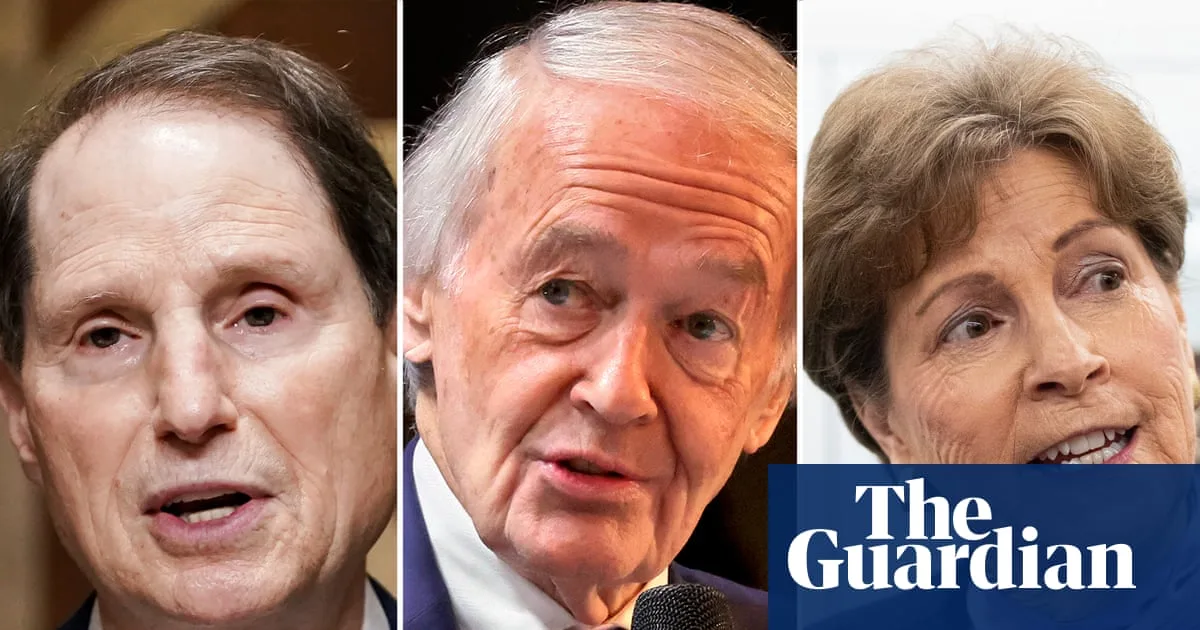
In a bold political move, a trio of Senate Democrats has introduced legislation demanding the U.S. government initiate refunds of approximately $175 billion in tariff revenues. This action follows a recent Supreme Court ruling that declared the tariffs, imposed under orders from former President Donald Trump, illegal. The bill, unveiled by Senators Ron Wyden of Oregon, Ed Markey of Massachusetts, and Jeanne Shaheen of New Hampshire, mandates U.S. Customs and Border Protection to process refunds within 180 days, including interest payments.
Prioritising Small Businesses and Consumer Relief
The proposed measure specifically prioritises refunds for small businesses, while also encouraging importers, wholesalers, and larger corporations to pass on these refunds to their customers. Senator Wyden emphasised the urgency of the situation, stating, "Trump's illegal tax scheme has already inflicted lasting damage on American families, small businesses, and manufacturers, who have endured successive waves of new tariffs." He described the bill as a "crucial first step" towards rectifying the issue by swiftly returning funds to those most affected.
Political Pressure and Public Messaging
Although the bill faces slim chances of becoming law in a divided Congress, it serves as a strategic tool for Democrats to apply public pressure on the Trump administration. With the Supreme Court's 6-3 decision announced last Friday, Democrats are leveraging the ruling to highlight Trump's role in illegally raising taxes and his reluctance to reimburse the American public. This narrative is expected to feature prominently in the upcoming midterm elections, where control of Congress is at stake.
Senator Shaheen articulated the need for restitution, saying, "Repairing the damage from tariffs, which led to higher prices, begins with President Trump refunding the illegally collected taxes that Americans were forced to pay." Meanwhile, Senator Markey pointed out the challenges small businesses face, noting they often have "little to no resources" and that navigating a refund process can be "extremely difficult and time-consuming."
Administration Response and Legal Complexities
The Trump administration has countered by asserting that its hands are tied, arguing that any refunds should be determined through ongoing litigation in lower courts rather than executive action. Treasury Secretary Scott Bessent reinforced this stance in a recent CNN interview, calling it "bad framing" to discuss refunds since the Supreme Court ruling did not directly address the issue. He stated, "It is not up to the administration—it is up to the lower court," indicating a preference to await judicial guidance.
This position places Republicans in a defensive posture as they attempt to justify why the government is not proactively seeking to return the funds. Historically, GOP lawmakers have campaigned on Trump's income tax cuts, promising financial relief to families, which contrasts with the current reluctance on tariff refunds.
Economic Implications and Broader Context
According to estimates from the University of Pennsylvania's Penn Wharton Budget Model, the total refunds could amount to $175 billion, equating to an average of $1,300 per U.S. household. However, structuring these reimbursements presents significant challenges, as tariff costs have permeated the economy through direct consumer payments and indirect cost absorption by importers.
Trump has defended his use of the 1977 International Emergency Economic Powers Act to impose broad tariffs, claiming they aided in ending military conflicts, generating federal revenue, and strengthening trade negotiations. He has previously warned that refunds could increase government debt and harm the economy. In a recent briefing, Trump speculated that the refund process might extend beyond his tenure, saying, "I guess it has to get litigated for the next two years," later revising his estimate to five years.
The debate over tariff refunds underscores deeper political divisions and highlights the ongoing struggle between legislative action and judicial processes in addressing economic policies.