Former President Bill Clinton is scheduled to provide closed-door testimony before the House Oversight Committee on Friday, as part of the ongoing investigation into Jeffrey Epstein. This appearance comes just one day after his wife, Hillary Clinton, underwent a lengthy six-hour questioning session before the same committee.
Clinton Dismisses Proceedings as Political Theatre
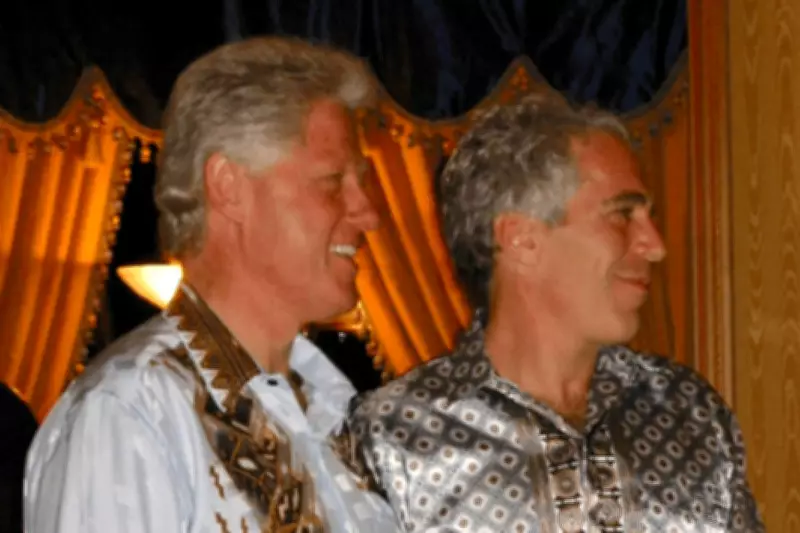
Bill Clinton has publicly characterized the investigation as "pure politics," accusing the committee of operating as a "kangaroo court." The 42nd president, who served two terms in the White House, had a documented social and professional relationship with Epstein, with photographs of the pair surfacing in the Epstein files. However, Clinton has consistently denied any wrongdoing and has not faced formal charges related to the deceased sex offender.
Hillary Clinton's Testimony Details
During her testimony on Thursday, Hillary Clinton stated emphatically that she had "no idea" about Epstein's criminal activities. She argued that the focus on her and her husband is being used as a distraction to cover up actions by former President Donald Trump. Her session lasted for six hours, during which she answered questions from lawmakers under oath.

Closed-Door Proceedings in New York
Bill Clinton's testimony is expected to take place behind closed doors in Chappaqua, New York, where he will answer questions from lawmakers under oath. The closed-door format is intended to allow for a more thorough and candid examination of the facts without public scrutiny interfering with the process.
The investigation into Epstein has drawn significant attention due to his connections with high-profile individuals, including politicians and celebrities. The House Oversight Committee is seeking to uncover any potential involvement or knowledge of Epstein's crimes among these associates.
As the probe continues, the testimonies of both Clintons are seen as critical moments that could shed light on the extent of Epstein's network and the awareness of his activities among those in his social circle. The committee's findings may have broader implications for understanding how such crimes were able to persist and the accountability of those connected to Epstein.