

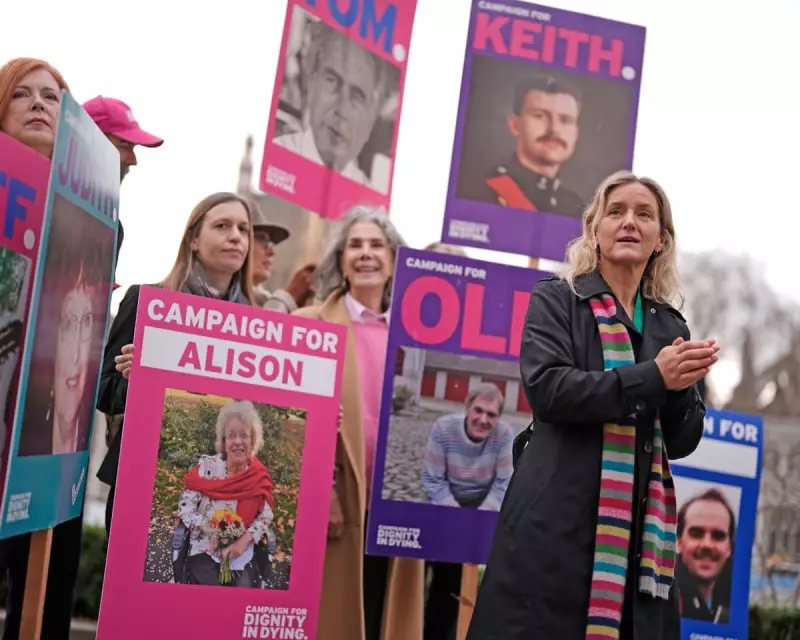
Assisted Dying Bill Faces Lords Filibuster Threat as Government Urged to Act
The Assisted Dying Bill, a landmark piece of legislation championed by MP Kim Leadbeater, is on the brink of being derailed by a small group of peers in the House of Lords. This development has sparked outrage among supporters, who argue that the unelected chamber is thwarting the democratic will of the House of Commons and the overwhelming majority of voters who have long backed the right to die with dignity.
Filibustering Tactics Slow Legislative Progress to a Crawl
Opponents of the bill, including a notable contingent of former Brexit strategists such as Michael Gove, David Frost, Mark Harper, and Thérèse Coffey, are employing deliberate delaying tactics to prevent a vote. These filibustering methods involve prolonged speeches and repetitive amendments, effectively grinding the legislative process to a halt. With only 12 out of 84 amendment groups debated so far, and seven more Fridays scheduled for discussion, the bill faces a critical time constraint that could see it expire by mid-May unless immediate action is taken.
Public Support Clashes with Lords Opposition
Recent polling indicates that approximately three-quarters of the British public support the right to an assisted death under strict safeguards. The bill itself includes rigorous conditions: it applies only to terminally ill individuals within six months of death, requires written requests verified by two doctors, and mandates approval from a panel including a psychiatrist, social worker, and senior lawyer. Patients must also be capable of self-administering the life-ending medication in the presence of a doctor.

Despite these precautions, a minority in the Lords, including peers driven by religious convictions like Ilora Finlay and concerns about disability rights such as Tanni Grey-Thompson, remain steadfast in their opposition. Their refusal to compromise has led to a legislative impasse, with critics accusing them of ignoring both public sentiment and the harrowing realities faced by those suffering from untreatable conditions.
The Human Cost of Legislative Delay
Advocates highlight the profound human suffering that persists in the absence of legal assisted dying options. Reports such as The Inescapable Truth document extreme cases where individuals endure unbearable agony, including symptoms like vomiting faeces or suffocating slowly over several days. Statistics from 2019 suggest an average of 17 people die such traumatic deaths daily, while around 650 suicides by terminally ill individuals are recorded annually, often occurring in isolation without medical assistance.
Government Apathy and Political Calculations
Prime Minister Keir Starmer, who has previously voted in favour of assisted dying legislation, now faces mounting pressure to intervene. The government possesses the authority to invoke the Parliament Act, which would bypass the Lords and enact the bill in its original Commons form. Alternatively, it could incorporate the legislation into the King's Speech for the next parliamentary session, elevating it to a government bill. However, there is little indication that either option is being seriously considered, with speculation that Starmer may be hesitant due to religiously opposed cabinet members like Wes Streeting and Shabana Mahmood.
Broader Implications for Democratic Reform
The ongoing deadlock has reignited debates about the legitimacy and composition of the House of Lords. With 24 bishops and numerous other religious peers influencing decisions in an increasingly secular society, many argue that the chamber is fundamentally unrepresentative. If the bill is ultimately blocked, it could galvanise public demand for sweeping reforms, potentially including the abolition or radical restructuring of the upper house.
Uncertain Future for Assisted Dying Legislation
Should the bill fail, the prospect of future reform rests on the uncertain outcome of the next private member's bill ballot. Even if a supportive MP secures top priority, the intense scrutiny and vitriolic backlash endured by Kim Leadbeater may deter others from championing similar causes. Leadbeater has dedicated over a year to navigating extensive committee hearings and facing hostile opposition, all for a bill described as minimalist in its scope.

As the parliamentary clock ticks down, the fate of the Assisted Dying Bill hangs in the balance. The government's response—or lack thereof—will not only determine the immediate future of this legislation but also set a precedent for how democratic conflicts between the Commons and Lords are resolved in an era of heightened political polarisation.





