From Bland Breakfast TV to Bitter Allegations: The Unraveling of a Safe Pair of Hands
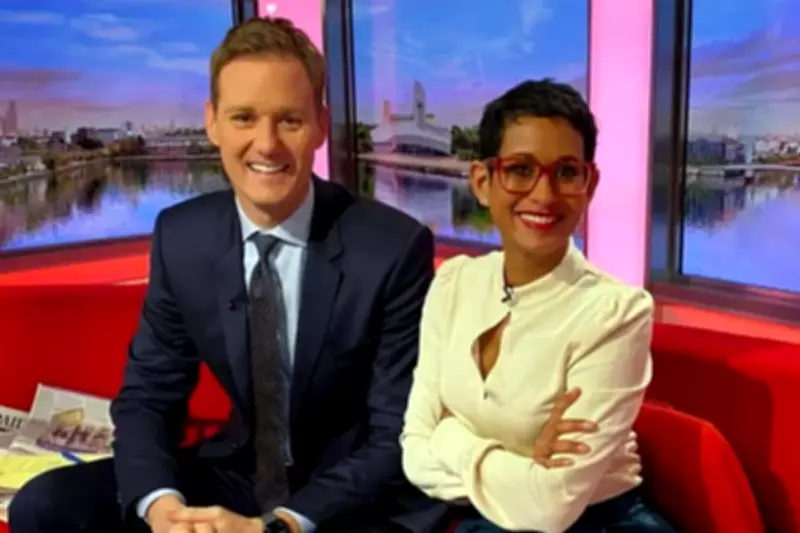
Dan Walker and Naga Munchetty's partnership on BBC Breakfast was widely regarded as one of the most unremarkable pairings in morning television history. Presenting together from 2016 until Walker's departure in 2022, they were competent professionals who occasionally indulged in light banter but largely projected an overwhelmingly beige image. This was arguably by design, as fronting the BBC's flagship breakfast programme demands reliability over flamboyance, delivering a mix of hard news and softer stories to a half-awake audience.
A Sudden Descent into Controversy
How peculiar, then, that these two steady presenters have recently become embroiled in a series of bullying and misconduct allegations. Over the weekend, the Mail on Sunday reported that Walker is scheduled to appear at an employment tribunal over accusations of bullying, sexism, and misogyny by his former Channel 5 co-anchor, Claudia-Liza Vanderpuije. Vanderpuije worked alongside Walker for one year following his high-profile £1.5 million move from the BBC.
Walker has vehemently denied these allegations. A source close to him told the Mail on Sunday that he "absolutely denies any sexism, misogyny, racism or bullying," noting that "it has been hanging over him for some years now." He has reportedly gathered "tonnes of witness statements" to support his character. A spokesperson for ITN, the production company behind Channel 5's news programme, stated to The Independent that "this claim, which is denied in full, will be addressed through the tribunal process."

In 2024, Walker, a devout Christian known for his wholesome public persona with a hint of Alan Partridge eccentricity, was "completely exonerated" after a workplace investigation into "serious misconduct" on his Channel 5 show. Independent investigators found "a lack of evidence to support allegations." Walker later told The Telegraph that the episode was "not nice, but you hold on to what you know the truth is and ultimately the truth is the important thing."
Parallel Troubles for Munchetty and Broader BBC Scrutiny
Meanwhile, the BBC reportedly launched an investigation last year into bullying allegations against Walker's former colleague, Naga Munchetty. The broadcaster provided no details, stating it "did not comment on individual HR matters." This development followed reports that the corporation had hired a consultant to review bullying and misconduct allegations against BBC Breakfast editor Richard Frediani, who was later cleared.
These incidents raise pressing questions: Why do newsrooms frequently become breeding grounds for toxicity allegations? And why are such claims so often centred on top-tier talent? The fast-paced, high-pressure environment of television news, where last-minute changes are routine, can create a pressure cooker atmosphere where stress erupts and harsh words are exchanged. While this should not excuse unprofessional behaviour, the phrase "high-pressure environment" has historically been used to gloss over myriad issues.
Hierarchies and Egos: The Toxic Dynamics of Newsrooms
The clear hierarchy between offscreen staff and onscreen stars exacerbates these tensions. Presenters, as the "face" of programmes, often receive quasi-divine reverence, fostering unhealthy power dynamics where they may feel untouchable. After disgraced BBC News at Ten anchor Huw Edwards pleaded guilty to making indecent images of children in 2024, a whistleblower noted he "was kind of allowed to feel like he could get away with anything. Probably not just by BBC bosses, but by the media world. He was treated like this God of news."
Hierarchies among presenters themselves can also prove problematic. When a longstanding staffer is replaced by a high-profile new hire, resentment and grudges can easily fester, especially if the former feels overlooked for promotion. This common workplace issue is amplified in newsrooms by media scrutiny of salaries and perceived tensions, fueled by viewers' parasocial interest in the stars they watch daily.

Historical Feuds and the Cult of Personality
When one half of an onscreen duo outshines the other, the fallout can be dramatic. Although not a news show, the relationship between Phillip Schofield and Holly Willoughby on This Morning reportedly soured after a magazine cover dubbed Willoughby the "queen" of TV, suggesting her star had "eclipsed" Schofield's. Schofield later left the show amid scandal after an "unwise but not illegal" affair with a junior staff member.
Historical feuds, such as the Nineties clash between GMTV's Eamonn Holmes and Anthea Turner, underscore how ego clashes are inevitable in environments where personalities are inflated. Holmes famously nicknamed Turner "Princess Tippy-Toes" in a jab at her ambition. Turner later told The Times, "Eamonn is a trained journalist and I'm not. That caused tension from the start." Even Lorraine Kelly's frosty on-air exchange with former co-presenter Esther McVey in 2019, where Kelly snubbed McVey over LGBT rights disagreements, highlights lingering animosities.
The Changing Landscape and Endangered Anchors
Adding to the tension, traditional news anchors may feel increasingly endangered. In 2021, former Sky News head John Ryley declared in the Press Gazette that "the age of the all-powerful anchor is gone," citing a fragmented media landscape where social media, podcasts, and unconventional broadcasters are gaining clout and often commanding higher salaries. This shift has prompted stalwarts like Emily Maitlis to transition from Newsnight to podcasting with The News Agents.
What is evident is that the TV newsroom has become such a febrile environment that even the most stolid personalities, like Walker and Munchetty, can be dragged into drama. In doing so, they break one of journalism's cardinal rules: never become the story. Their journey from bland presenters to central figures in allegations reveals deeper systemic issues within broadcast news culture, where pressure, hierarchy, and ego collide with devastating consequences.