Metropolitan Police Chief Accuses Retailers of Hampering Shoplifting Prosecutions
A senior Metropolitan Police officer has insisted that shoplifters are escaping justice because storekeepers are refusing to hand over CCTV footage needed to prosecute them. This claim comes as England and Wales grapple with a significant shoplifting epidemic, with offences rising sharply in recent years.
Soaring Shoplifting Rates and Low Prosecution Figures
According to the latest Office for National Statistics figures, shoplifting offences in England and Wales increased by five per cent in the year to September 2025, reaching a total of 519,381 incidents. In London alone, more than 100,000 offences were recorded in the year to October 2025, a substantial jump from 58,000 in 2023. Despite these high numbers, very few thieves end up facing prosecution. The Metropolitan Police reported that only 5.9 per cent of shoplifting incidents they recorded led to a charge in the year ending March 2025.
Police Blame Retail Managers for Evidence Shortfalls
Chief Inspector Rav Pathania, the Metropolitan Police's head of business crime, has placed the blame squarely on retail managers. He argues that if they released more footage of offences, officers would be better equipped to clamp down on crime. "It's not just the Met – the problem is country-wide," Mr Pathania stated. "We don't always get digital evidence back from the retailers. We request CCTV, body-worn video footage, statements from the retailers, but we don't always get that back."

He elaborated on the challenges, saying, "So when we're trying to solve more crimes, the way we solve them is by getting evidence. So last year, for example, in approximately 80 per cent of our crimes, we never got CCTV – and so it's really difficult to investigate a crime where you don't have the digital evidence."
Impact of Evidence Cooperation on Suspect Identification
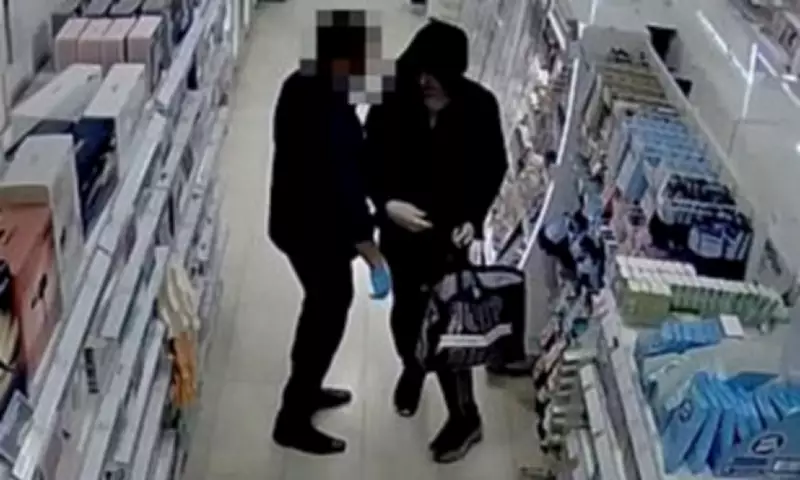
Mr Pathania highlighted that in cases where shopkeepers do provide footage, police can identify around 80 per cent of suspects. This is achieved by running images through databases and matching them with previous offenders using facial recognition technology. However, he admitted that since the Covid-19 pandemic, the Met has prioritised cracking down on violent crime over reducing shoplifting and similar 'acquisitive' offences.
Echoes from Higher Police Leadership
The Met chief's comments reflect those of his superior, Sir Mark Rowley, the Metropolitan Police Commissioner. In February, Sir Mark was questioned by the Home Affairs Committee about thieves who regularly 'clear whole shelves' and walk out of shops without paying. He blamed the shoplifting epidemic on storekeepers, insisting they "don't report anything" and "need to do better."
Sir Mark said, "We're determined to bear down on this. I recognise a very variable response from shops to shoplifting in their premises. We encourage them all to report it and the good stores have got really good security regimes and report it and help us out in ways that I'll come to in a moment. Some stores don't." He added, "Some of them don't report anything, if we go there they don't give us the CCTV of the crime, they won't give us any statements, they don't give their staff time to give statements and they don't pay their staff to go to court to give evidence."
High-Profile Shoplifting Cases and Convictions
This issue follows a series of high-profile shoplifting cases that have resulted in jail sentences for some perpetrators. For instance, in October, thief Daniel Cleveland, 33, was jailed for three years after stealing £16,000 worth of taps from a B&Q store in Bromley, south London. He was caught on camera throwing the items over a fence to an accomplice while still on the shop premises.
In another case, Bianca Mirica, 20, was captured stuffing cosmetics into her bag as part of a £299,000 theft campaign, which also involved stripping perfume from the shelves of a Boots store in Hornchurch. The Romanian national and mother-of-three was one of 16 people arrested in raids on a major shoplifting gang and was jailed last summer for 32 months.

Additionally, Liam Hutchinson was jailed for a year after CCTV footage showed him swiping whole shelves of Boots products into his bag, totalling £100,000 in stolen goods. These cases underscore the scale of the problem and the potential for prosecution when evidence is available, yet they remain exceptions in a landscape where many offences go unpunished due to lack of retailer cooperation.