Asylum Policy Shift Faces Immediate Criticism Over ECHR Constraints
Major changes to Britain's asylum system announced by Home Secretary Shabana Mahmood will have negligible impact on the ongoing Channel migrant crisis while the United Kingdom remains a signatory to the European Convention on Human Rights, according to opposition critics and policy experts. The reforms, which came into effect today, significantly reduce the duration of refugee status granted to successful asylum seekers.
Reduced Protection Period and Enforcement Questions
Under the new regulations, individuals granted asylum will now receive permission to remain in the UK for just 30 months, a substantial reduction from the previous five-year period. Following this shortened timeframe, refugees will be required to re-apply for continued protection rather than progressing toward indefinite leave to remain and eventual citizenship. Home Secretary Mahmood emphasized that those granted humanitarian leave would be "expected" to depart Britain after 30 months if their home countries are deemed safe for return.
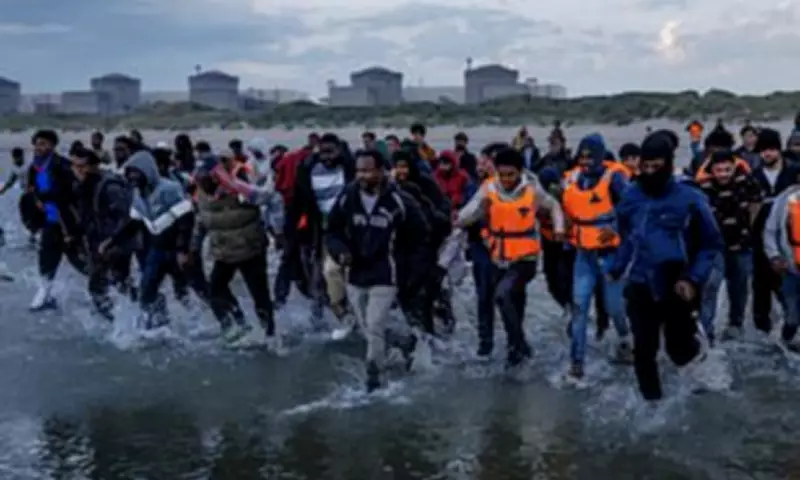
The Home Office has indicated that migrants refusing voluntary departure would face enforced deportation, but officials have been unable to detail how the government plans to dramatically increase current removal rates. Statistics reveal that only approximately five percent of the 195,000 small boat migrants who have arrived since the Channel crisis began in 2018 have actually been removed from the country.

Legal Challenges and Human Rights Concerns
Critics have swiftly condemned the policy changes as fundamentally flawed, predicting they will be systematically undermined through legal challenges invoking the European Convention on Human Rights. Shadow Home Secretary Chris Philp stated unequivocally: "These asylum changes will make no difference so long as Britain is in the ECHR."
The ECHR's Article 8, which guarantees the "right to private and family life," has historically been deployed successfully to overturn deportation orders when migrants have established families in the UK. Philp further argued that failed asylum seekers would simply pivot to alternative legal avenues, stating: "If they can't get their asylum claim renewed by the Home Office they will just make a human rights claim or a modern slavery claim."
Political Divisions and Implementation Delays
The Home Secretary faces significant internal party pressure, with Conservative frontbencher Philp accusing her of "kow-towing to Labour leftwingers" who have opposed her plans to alter qualification periods for indefinite leave to remain. Originally announced in November with an anticipated April implementation using executive powers, the measures have now been delayed until autumn legislation, pushing meaningful reforms 12 to 18 months into the future.
Reform Party's home affairs spokesman Zia Yusuf delivered a scathing assessment: "The British public has heard Shabana Mahmood's promises countless times before, each time from politicians without the guts or backing to take any of the necessary steps to stop the boats." Yusuf outlined his party's contrasting approach, which includes leaving the ECHR, disapplying international treaties, detaining and deporting all illegal migrants, and ending welfare payments for foreign nationals.
Government Defense and Humanitarian Principles
In defense of the policy changes, Home Secretary Mahmood described them as "firm but fair" measures designed to balance humanitarian obligations with system integrity. "This country will always provide sanctuary to those fleeing war and persecution," she affirmed, while adding: "But we must also ensure our asylum system is not creating pull factors that draw people on dangerous journeys across the world, fuelling and funding the human traffickers."
The Home Secretary emphasized the dual objectives of protecting genuine refugees while reducing incentives for those without legitimate protection needs. "So, once a refugee's home is safe and they are able to return, they will be expected to do so," she concluded, outlining the government's position that temporary protection should remain exactly that—temporary.