

US Officials Assert Iran's Inability to Locate Mines Prolongs Strait of Hormuz Closure
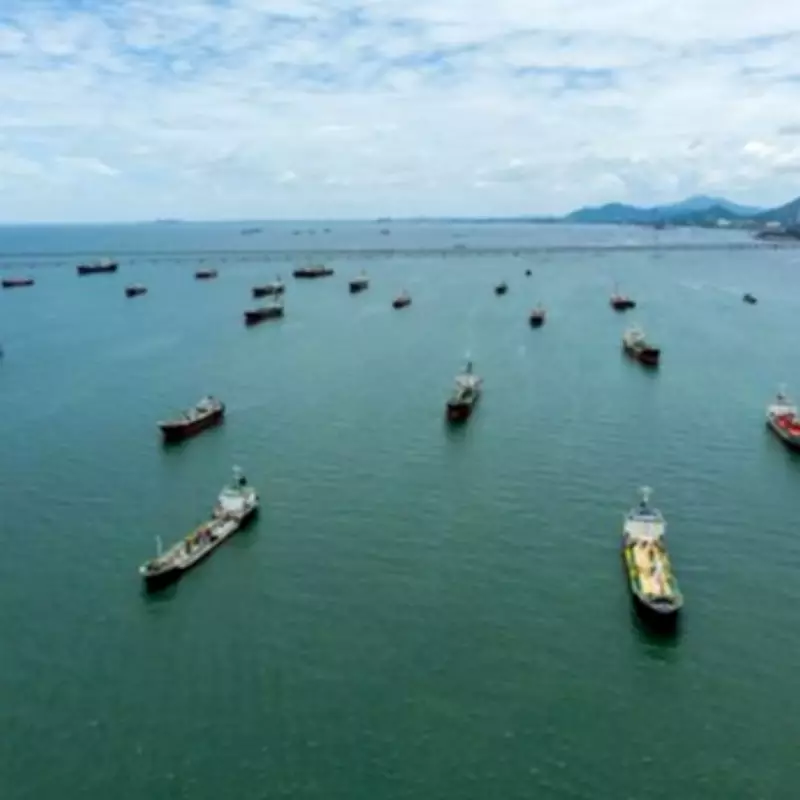
According to recent statements from US officials, the critical Strait of Hormuz remains closed primarily because Iran is unable to locate the mines it previously deployed within the shipping channel. This vital maritime route, essential for global oil transport, was sealed by Iran following the outbreak of war with the US and Israel in late February, allowing only a limited number of tankers to pass through since then.
Haphazard Mining Poses Severe Risks to Tanker Safety
US authorities have described the mine-laying as "haphazard", creating a dangerous environment where tankers are highly vulnerable to explosions. In response, the US military has initiated mine-clearing operations, with two destroyers transiting the strait ahead of this work—a first since the conflict began. However, Iranian state media countered by claiming that Iran forced a US military vessel attempting to cross the channel to turn around, highlighting ongoing tensions.
Former President Donald Trump commented on the situation, stating, "We're sweeping the strait. Whether we make a deal or not makes no difference to me," as talks continued into the early hours in Islamabad. Iranian state television noted "serious" differences between the parties, underscoring the complexity of the negotiations.

Iran's Chokehold Disrupts Global Energy Markets
Iran's control over the Strait of Hormuz has effectively severed the Persian Gulf from the global economy, drastically reducing oil and gas exports and causing energy prices to soar. This economic impact adds urgency to the diplomatic efforts aimed at resolving the conflict.
Face-to-Face Negotiations Commence in Pakistan Amid Ceasefire
Direct talks between the US and Iran have begun in Pakistan, following a two-week ceasefire announcement. The war, now in its seventh week, has resulted in thousands of casualties and significant disruption to global markets. The White House has confirmed the direct nature of these discussions.
The US delegation, led by Vice President JD Vance, and the Iranian delegation, headed by Parliament Speaker Mohammad Bagher Qalibaf, are engaging with Pakistani officials to advance the ceasefire. This fragile agreement is threatened by deep disagreements and Israel's continued attacks on Hezbollah in Lebanon, where the health ministry reports a death toll exceeding 2,000.
Historical Context and Current Diplomatic Challenges
These talks mark a rare instance of direct US-Iran contact, the most significant since 2013 when President Barack Obama called newly elected President Hassan Rouhani to discuss Iran's nuclear programme. Previous high-level meetings involved then Secretary of State John Kerry and counterpart Mohammad Javad Zarif during nuclear negotiations.
Current discussions feature Mr. Vance, a reluctant defender of the war with limited diplomatic experience who has warned Iran not to "try and play us", and Mr. Qalibaf, a former commander with Iran's Revolutionary Guard known for issuing fiery statements since the conflict began. Iran's state-run news agency reported that the three-party talks commenced after Iranian pre-conditions, including a reduction in Israeli strikes on southern Lebanon, were met.
Iran's Demands and War Toll
Iran's delegation has presented "red lines" in meetings with Pakistani Prime Minister Shehbaz Sharif, demanding compensation for damage from US-Israeli strikes that initiated the war on February 28 and the release of Iran's frozen assets. The conflict has caused extensive human and infrastructural damage, with at least 3,000 deaths in Iran, 2,020 in Lebanon, 23 in Israel, and over a dozen in Gulf Arab states, affecting multiple Middle Eastern countries.






