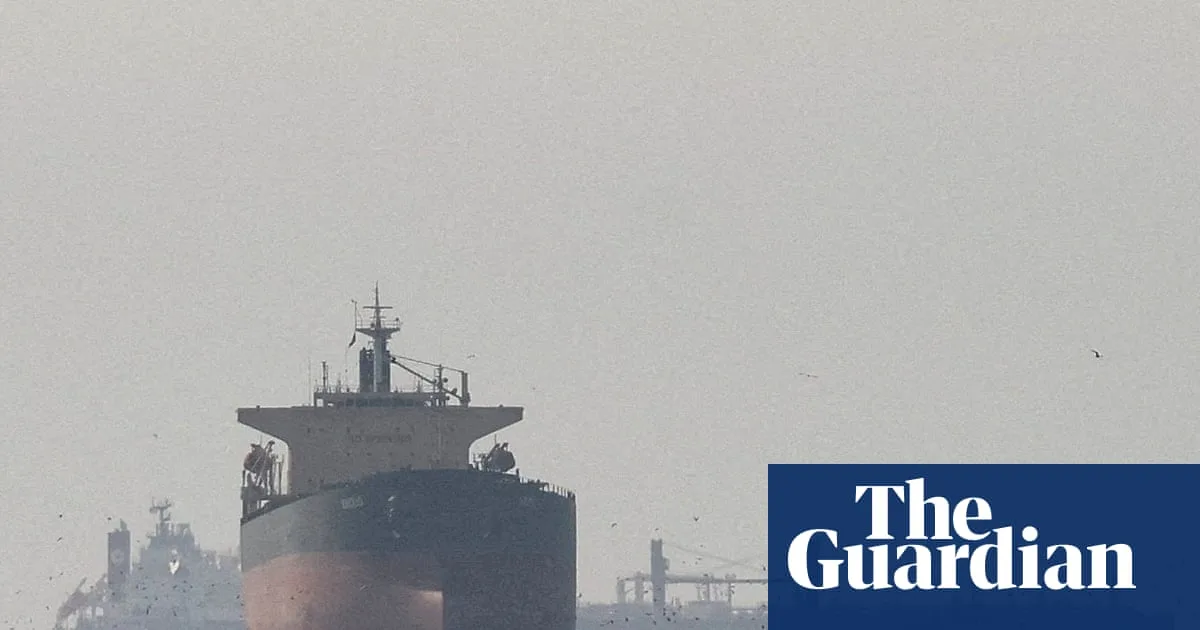
The United Kingdom has orchestrated a major international virtual gathering, bringing together more than thirty nations in a determined bid to resolve the escalating crisis that has effectively closed the vital Strait of Hormuz to global shipping. This critical maritime chokepoint, through which a substantial portion of the world's oil flows, has seen traffic come to a standstill following a series of Iranian attacks on commercial vessels, triggering a sharp and concerning rise in global petroleum prices.
Diplomatic Push for Safe Passage
Prime Minister Keir Starmer confirmed the summit, which is being chaired by Foreign Secretary Yvette Cooper. He emphasised that the meeting's primary objective is to evaluate all feasible diplomatic and political avenues. "The summit will assess all viable diplomatic and political measures we can take to restore freedom of navigation, guarantee the safety of trapped ships and seafarers, and to resume the movement of vital commodities," Starmer stated, highlighting the humanitarian and economic stakes.
A Notable Absence and Military Considerations
In a significant development, the United States will not be participating in these crucial discussions. Former President Donald Trump has previously distanced the US from the issue, asserting that securing the waterway is not an American responsibility and telling allies to "go get your own oil." Given the ongoing hostilities and Iran's demonstrated capability to target shipping with anti-ship missiles, drones, and mines, no nation currently appears willing to attempt a forcible reopening of the strait.
However, Prime Minister Starmer indicated on Wednesday that military planners from several unspecified countries are scheduled to meet in the near future. Their task will be to develop concrete plans for ensuring maritime security and safe passage "after the fighting has stopped," suggesting a two-phase approach of immediate diplomacy followed by longer-term security guarantees.
Building a United International Front
To bolster the diplomatic effort, thirty-five countries, including the UK, France, Germany, Italy, Canada, Japan, and the United Arab Emirates, have jointly signed a statement. This document demands that Iran cease its attempts to blockade the strait and pledges that the signatories will "contribute to appropriate efforts to ensure safe passage" through the waterway. This collective stance is seen as a crucial first step in building consensus and political will.
Thursday's high-level virtual meeting is widely regarded as an initial diplomatic manoeuvre. It is expected to be followed by a series of detailed "working-level meetings" where officials will hammer out the complex logistical, legal, and operational specifics required to safely resume shipping.
Echoes of Broader Security Initiatives
Prime Minister Starmer acknowledged the immense challenge ahead, stating that resuming shipping "will not be easy" and will necessitate "a united front of military strength and diplomatic activity" in close partnership with the global maritime industry. This international effort bears similarities to the "coalition of the willing" assembled by the UK and France to underpin Ukraine's future security post-ceasefire.
Analysts suggest this Hormuz initiative is, in part, a strategic demonstration to the current US administration that European nations and other global partners are prepared to step up and assume greater responsibility for their own economic and security interests, especially in light of renewed suggestions from Donald Trump that the US could withdraw from the NATO alliance.






