Trump's Nobel Peace Prize Ambition: A Reality Check on Eight Conflicts
US President Donald Trump has boldly declared he deserves the Nobel Peace Prize, attributing this honour to his involvement in eight international conflicts since assuming office in January 2025. However, a detailed examination reveals that many of these disputes persist without resolution, with hostilities reigniting in several regions where he intervened. This analysis scrutinises each conflict Trump claims to have solved, separating diplomatic achievements from ongoing realities.
Armenia and Azerbaijan: Ceasefire Without Lasting Peace
On 8 August 2025, Trump brought together Armenian Prime Minister Nikol Pashinyan and Azerbaijani President Ilham Aliyev, who signed a joint declaration pledging peaceful relations. While a ceasefire was agreed in 2023 and a draft peace text settled in March 2025, no formal treaty has been signed. The White House-brokered declaration lacks legally binding obligations, with constitutional revisions in Armenia remaining contentious. Economic agreements granted the US development rights to a strategic transit corridor through southern Armenia, named after Trump, facilitating energy exports. Vice President JD Vance visited both nations in February 2026, signing strategic partnerships, yet lasting peace remains elusive.
Cambodia and Thailand: Fragile Ceasefires and Renewed Tensions
Trump intervened after five days of deadly border fighting in July 2025, the worst conflict between Thailand and Cambodia in over a decade. He withheld trade deals until hostilities ceased and oversaw a ceasefire signing in Malaysia in October 2025. This agreement collapsed within weeks before a new ceasefire was reached on 27 December 2025. Despite these efforts, tensions persist, demonstrating the fragility of Trump's diplomatic achievements in Southeast Asia.

Israel, Iran and Palestinian Territories: Complex Mediation Efforts
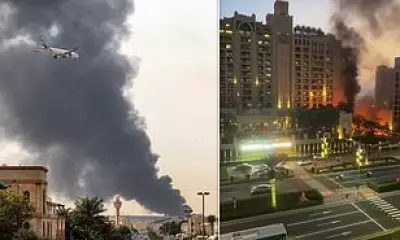
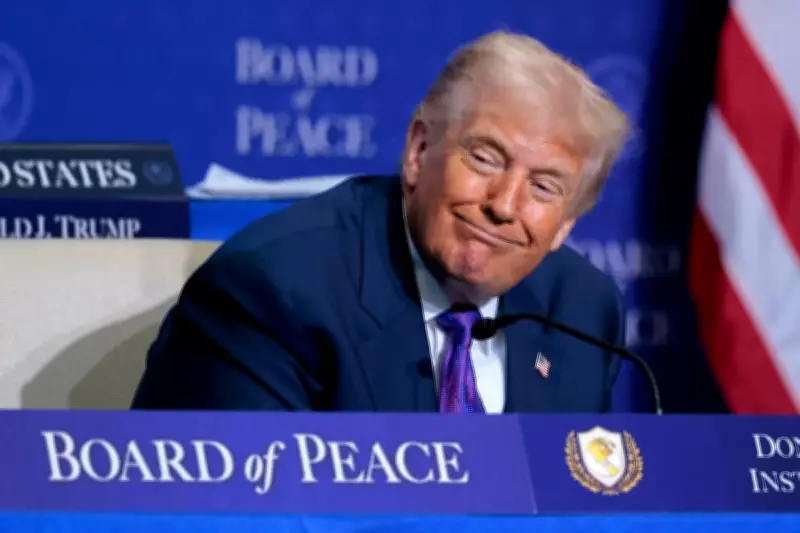
Trump chaired the first meeting of his Board of Peace initiative, aiming to end conflict in Gaza. In October 2025, Israel and Hamas agreed to a Trump-brokered hostage and ceasefire deal, marking progress in a war that has killed over 67,000 Palestinians. However, both sides repeatedly accuse each other of violations, with major issues like Hamas' disarmament and Gaza's governance unresolved. Trump expanded the Abraham Accords and initially pursued nuclear talks with Iran before joining Israeli airstrikes on Iranian nuclear sites in June 2025. He then mediated a Qatar-brokered ceasefire while threatening Iran over its nuclear program and human rights practices, ordering a massive military buildup in the Middle East.
Rwanda and Democratic Republic of Congo: Unimplemented Agreements
Under Trump's pressure, Rwanda and Congo signed a US-brokered peace agreement on 27 June 2025, which remains unimplemented. The M23 rebel group, backed by Rwanda according to UN experts, continues its offensive in eastern Congo, holding more territory than ever. Trump brought leaders to Washington in December 2025, where they affirmed commitment to his peace plan, but fighting persists. Congolese President Felix Tshisekedi and US Secretary of State Marco Rubio accuse Rwanda of violating commitments, while a critical minerals deal between Congo and Washington faces constitutional challenges.
India and Pakistan: Nuclear Tensions and Ceasefire Claims
When nuclear-armed India and Pakistan clashed in May 2025, US officials feared escalation. Consulting with Trump, Rubio and Vance pushed for de-escalation, resulting in a ceasefire on 10 May after four days of fighting. Trump claimed he used trade threats to secure the deal, but India disputed this, stating US pressure wasn't decisive. The ceasefire addressed few underlying issues between nations that have fought three major wars since independence.

Egypt and Ethiopia: Dam Dispute Without Resolution
The long-standing dispute over Ethiopia's Grand Ethiopian Renaissance Dam, which Egypt fears will threaten Nile water supplies, remains unresolved. Trump stated in July 2025, "We're working on that one problem, but it's going to get solved," and White House spokeswoman Karoline Leavitt included it among conflicts "the president has now ended." However, Ethiopia's Prime Minister Abiy Ahmed opened the dam in September 2025 despite objections, with Egypt's President Abdel Fattah al-Sisi vowing to protect national interests.
Serbia and Kosovo: Tense Relations Persist
Five years after Trump brokered economic agreements during his first term, Kosovo and Serbia maintain tense relations. Trump claimed in June 2025 he "stopped" war between them and would "fix it, again." Kosovo's President Vjosa Osmani said Trump prevented escalation in recent weeks, but Serbian President Aleksandar Vucic denied any looming escalation. Kosovo declared independence in 2008, but Serbia still regards it as part of its territory, with no peace deal signed.
Russia and Ukraine: Unfulfilled Promises
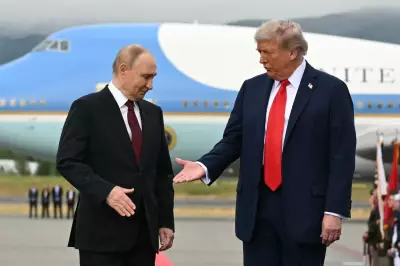
Trump, who campaigned on solving the Ukraine war "in one day," has been unable to end the nearly four-year conflict that analysts say has caused over 1 million casualties. He admitted on 18 August 2025, "I thought this was going to be one of the easier ones. It's actually one of the most difficult." His approach has swung from ceasefire calls to continuing fighting, with sanctions imposed on Russia's oil companies in October 2025. Recent attempts to press Ukrainian President Volodymyr Zelensky into a deal favouring Moscow have shown little progress, worrying European leaders.
South Korea and North Korea: Nuclear Stalemate Continues
Trump expressed desire to meet North Korean leader Kim Jong Un again, stating in October 2025, "We'll come back, and we'll, at some point in the not-too-distant future, meet with North Korea." Their three summits during Trump's first term collapsed over denuclearisation demands. Since then, North Korea has expanded its nuclear capabilities, with Kim stating in September 2025 he would talk if Washington dropped denuclearisation demands. Trump acknowledged North Korea as a "nuclear power" and supported Seoul's pursuit of nuclear-powered submarines.
While Trump has engaged diplomatically across multiple conflict zones, his claim of solving eight wars appears overstated. Ceasefires and declarations have been achieved, but lasting peace treaties and implementation remain challenging. The Nobel Peace Prize ambition contrasts with realities where conflicts persist, hostilities reignite, and fundamental issues remain unresolved, highlighting the complexity of international diplomacy beyond political rhetoric.