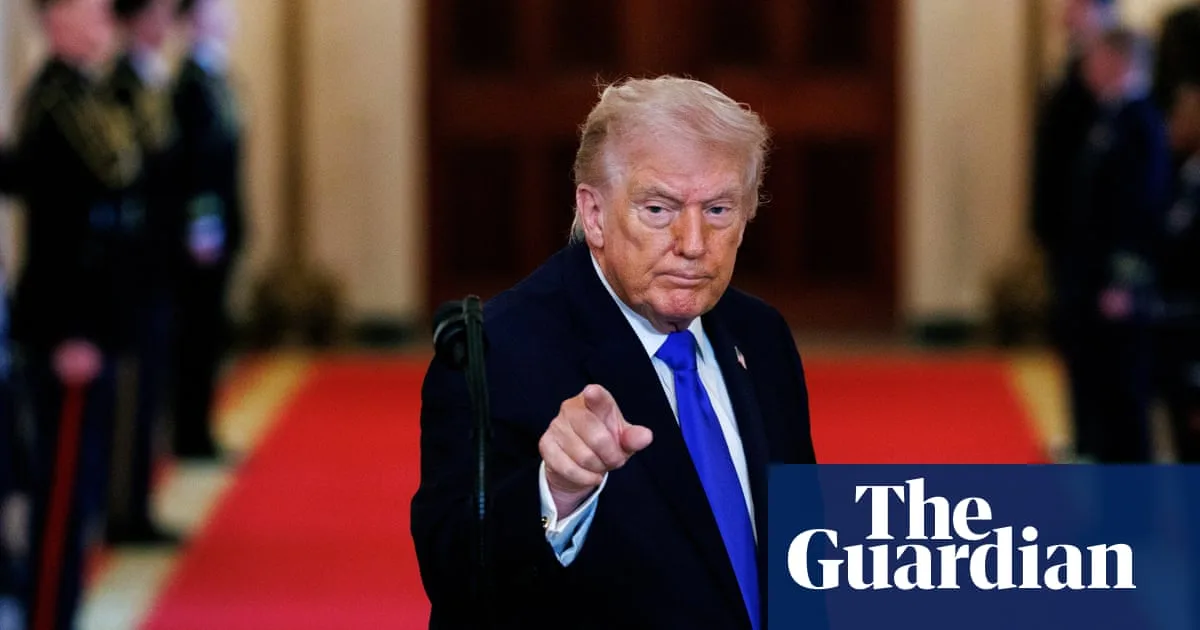
President Donald Trump's decision to potentially launch military strikes against Iran will be largely guided by the counsel of his special envoy Steve Witkoff and son-in-law Jared Kushner, according to recent reports. This development comes as the United States intensifies its military presence in the region, with two of its largest warships, the USS Gerald R Ford and the USS Abraham Lincoln, moving closer to Iranian coastal waters, supported by fighter jets and naval forces.
Military Buildup and Advisory Influence
Last week, President Trump publicly stated he was seriously considering air strikes against Iran ahead of critical nuclear deal negotiations scheduled in Geneva. The Guardian reported on Monday that Mr Witkoff is part of a key advisory group helping the president navigate Iran policy following the submission of a new nuclear proposal later this week. The president has received multiple briefings on military options, including a significant meeting in the White House Situation Room on Wednesday.
Key Advisers and Internal Debates
Other influential figures in the decision-making process include Vice President JD Vance, Secretary of State Marco Rubio, CIA Director John Ratcliffe, Defence Secretary Pete Hegseth, General Dan Daine who chairs the joint chiefs of staff, White House Chief of Staff Susie Wiles, and Director of National Intelligence Tulsi Gabbard. However, internal divisions have emerged, with Mr Vance expressing uncertainty about the success of strikes due to General Daine's concerns regarding low stockpiles of anti-missile systems.
White House spokesperson Anna Kelly clarified that General Daine provides unbiased information to the Commander in Chief as part of his professional duties and has not been offering personal views in discussions. Meanwhile, several military options are under active consideration, with some advisers questioning the effectiveness of direct strikes. Alternative strategies include permitting Iran to maintain limited nuclear enrichment for medical research, treatment, or civilian energy purposes.
Diplomatic Tensions and Public Statements
Mr Witkoff has emphasised America's objective of ensuring zero nuclear enrichment by Iran, but Iran's Foreign Minister Abbas Araghchi countered in a CBS interview, stating the country is unwilling to relinquish enrichment capabilities. In a Fox News appearance on Sunday, Mr Witkoff remarked that President Trump is curious about Iran's resistance to capitulation despite the substantial US military buildup in the region, though he avoided using the term 'frustrated' to describe the president's mindset.
Both nations have signalled readiness for conflict if diplomatic efforts collapse. Ayatollah Ali Khamenei responded to the positioning of US aircraft carriers by threatening to sink them, escalating tensions as the world watches the unfolding situation. The advisory roles of Witkoff and Kushner are now central to understanding how the US may proceed, blending family influence with formal diplomatic channels in a high-stakes geopolitical standoff.