Starmer and Trump Clash Over UK Base Access for Iran Strikes
Starmer-Trump Row Over Iran Strikes from UK Bases

Starmer and Trump in Diplomatic Dispute Over Iran Military Action

Prime Minister Sir Keir Starmer has found himself embroiled in a public disagreement with former US President Donald Trump regarding the United Kingdom's initial refusal to permit American military strikes against Iran from British bases. The controversy centres on Sir Keir's decision-making process during escalating tensions in the Middle East.

Initial Refusal and Subsequent Permission Grant

Sir Keir Starmer informed Parliament that President Trump had "expressed his disagreement" with the UK's original stance of not participating in the initial strikes against Iranian targets. The Prime Minister defended his position by stating it was his duty to determine what aligns with Britain's national interest, even when facing pressure from a key ally.

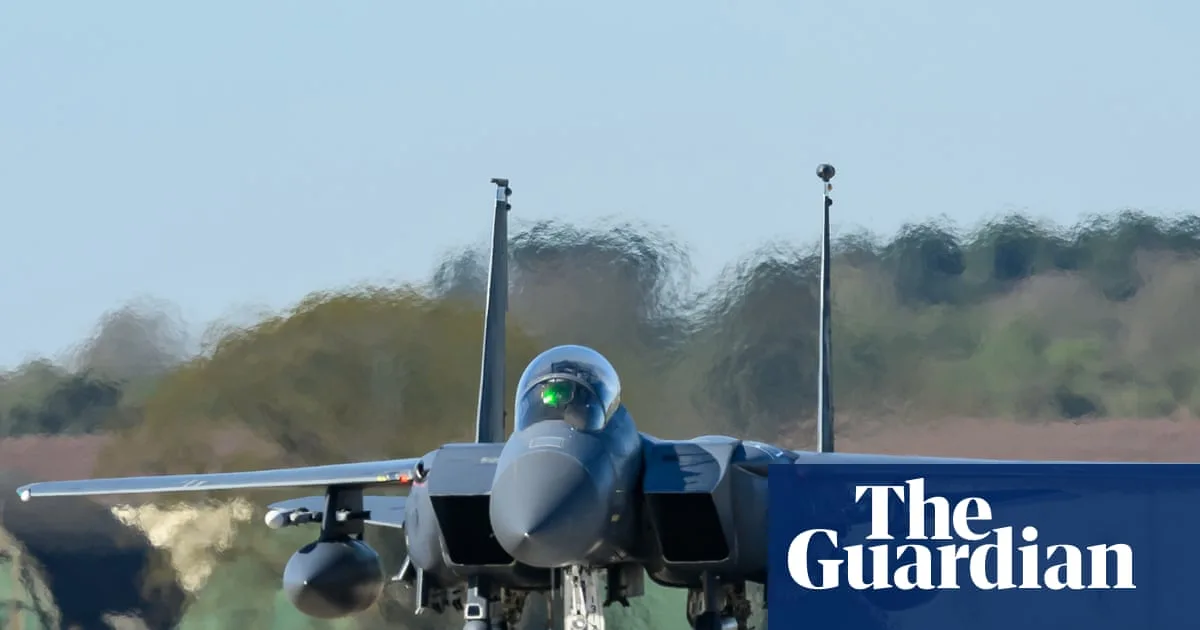
On Sunday, however, Sir Keir reversed his decision and granted the United States permission to utilise British military installations, specifically the Diego Garcia base in the Indian Ocean and RAF Fairford in Gloucestershire. This authorisation allowed American forces to target Iran's missile launchers and storage facilities, aiming to protect nations under threat from Tehran's aggression.

Trump's Criticism and Legal Concerns

Donald Trump voiced strong disapproval of the initial refusal, particularly regarding the Diego Garcia base. He remarked to The Telegraph that he was "very disappointed" in Sir Keir's hesitation and suggested that such reluctance had "probably never happened between our countries before." Trump speculated that legal apprehensions might have influenced the Prime Minister's caution, noting "It sounds like he was worried about the legality."

Regarding the eventual permission, Trump acknowledged its utility but criticised the timing, stating "It took far too much time. Far too much time" for Sir Keir to alter his position. This delay, according to the former president, represented an unusual strain in the traditionally close UK-US defence relationship.

Starmer's Justification and Changing Circumstances

In his statement to Members of Parliament, Sir Keir maintained that his original decision was "deliberate" and that he continued to "stand by it." However, he explained that Iran's retaliatory actions following US and Israeli attacks had created new threats to British citizens across the Middle East, necessitating a revised approach.

"It is clear that Iran's outrageous response has become a threat to our people, our interests, and our allies and it cannot be ignored," Sir Keir declared. This evolving security landscape prompted the authorization for US forces to target Tehran's missile infrastructure from UK bases, described by Westminster insiders as attempting to strike the "archer" rather than the "arrow" – meaning the launch sites and storage silos rather than missiles already in flight.

Regional Threats and British Citizen Safety

Iran has conducted attacks across multiple Middle Eastern nations, including the United Arab Emirates, Qatar, and Saudi Arabia. Intelligence assessments suggest Tehran possesses the capability to sustain retaliatory operations for approximately one week, raising significant security concerns.

Approximately 300,000 British nationals are believed to reside in countries targeted by Iranian aggression, with 102,000 having registered their presence with the Foreign Office. Government officials are developing contingency plans that potentially include large-scale evacuation procedures. Sir Keir confirmed that his administration is "looking at all options to support our people" during this volatile period.

Drone Incident at RAF Akrotiri

Hours following Sir Keir's announcement permitting US base usage, a drone struck RAF Akrotiri in Cyprus. The Prime Minister clarified that this attack was launched prior to his statement and did not constitute retaliation for the base authorization decision.

Defence Secretary John Healey reported no casualties and minimal damage to the base infrastructure. As a precautionary measure, military families have been relocated from the installation. Cypriot government officials confirmed on Monday that two additional unmanned drones heading toward Akrotiri had been successfully intercepted.

Mr Healey characterised the drone strike as an example of the "dangerous and indiscriminate attacks" perpetrated by Iran and its proxy forces, underscoring the ongoing security challenges in the region.




