
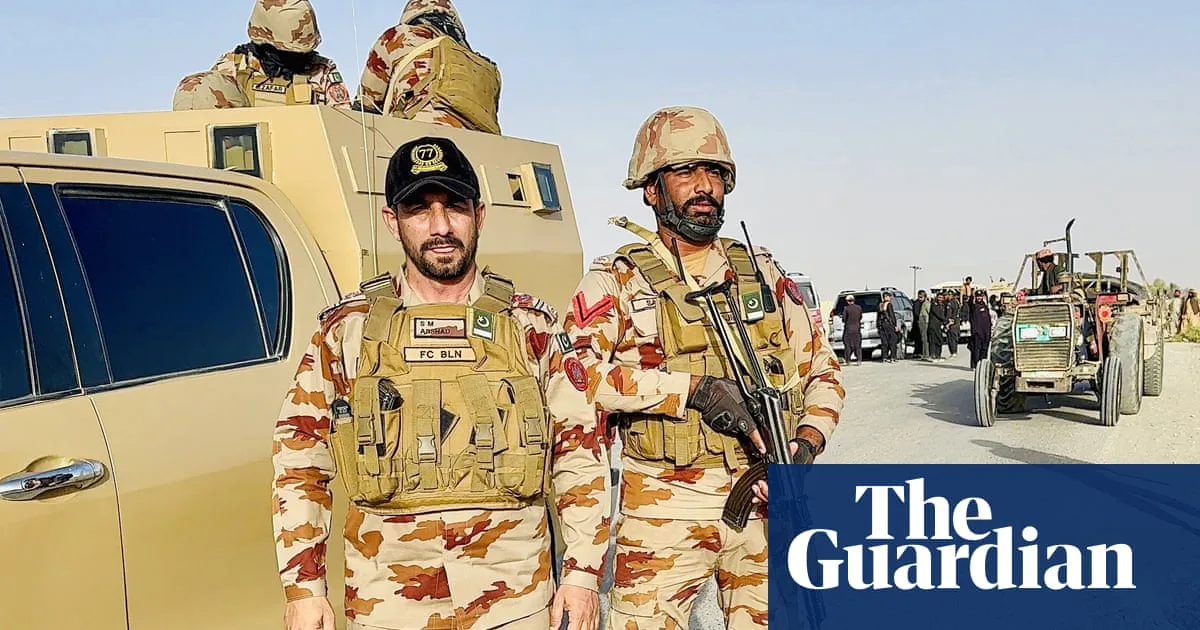
Pakistan launched multiple airstrikes on Saturday night targeting militants in neighbouring Afghanistan, with Afghan officials reporting that dozens of people, including women and children, were killed or wounded. Islamabad did not specify the precise locations of the strikes, but Afghanistan's government spokesperson, Zabihullah Mujahid, said they hit civilian areas in Nangarhar and Paktika provinces.
Pakistan's information minister, Attaullah Tarar, said the military carried out “intelligence-based, selective operations” against seven camps belonging to the Pakistani Taliban, known as Tehreek-e-Taliban Pakistan (TTP), and its affiliates, as well as a group linked to Islamic State in the border region. He said Pakistan had “conclusive evidence” that recent attacks, including a suicide bombing on a Shiite mosque in Islamabad that killed 31 worshippers, were directed by militant leaders based in Afghanistan.
The strikes came days after a suicide bomber rammed an explosives-laden vehicle into a security post in Bajaur district in north-western Khyber Pakhtunkhwa province, killing 11 soldiers and a child. Authorities said the attacker was an Afghan national. Hours before Saturday's strikes, another suicide bomber targeted a security convoy in nearby Bannu district, killing two soldiers.
Following the violence, Pakistan's military warned it would not “exercise any restraint” and that operations against those responsible would continue “irrespective of their location”, language that underscored rising tensions between Islamabad and Kabul. Tarar said Pakistan had repeatedly urged Afghanistan's Taliban rulers to take verifiable steps to prevent militant groups from using Afghan territory, but alleged that no substantive action had been taken.
Relations between the neighbours have been strained since October, when deadly border clashes killed dozens of soldiers, civilians and suspected militants. A Qatar-mediated ceasefire has largely held, but talks in Istanbul failed to produce a formal agreement. The TTP, though separate from Afghanistan's Taliban, is closely allied with the group, which returned to power in 2021. Islamabad accuses the TTP of operating from Afghan soil, a charge the group and Kabul deny.




