Pakistan Launches Border Strikes on Militant Hideouts After Surge in Deadly Attacks
Pakistan has confirmed it carried out military strikes along its border with Afghanistan early on Sunday, targeting hideouts of Pakistani militant groups it blames for a recent surge in deadly attacks inside the country. The Information Ministry stated the operations were intelligence-based and selective, aimed at dismantling terrorist infrastructure.
Details of the Strikes and Conflicting Reports
Pakistan's Information Minister, Attaullah Tarar, announced on social media platform X that the strikes targeted seven camps belonging to the Pakistani Taliban, known as Tehrik-e-Taliban Pakistan (TTP), along with its affiliates. An affiliate of the Islamic State group was also reportedly hit in the border region. However, Islamabad did not specify the precise locations of these operations or provide further tactical details.
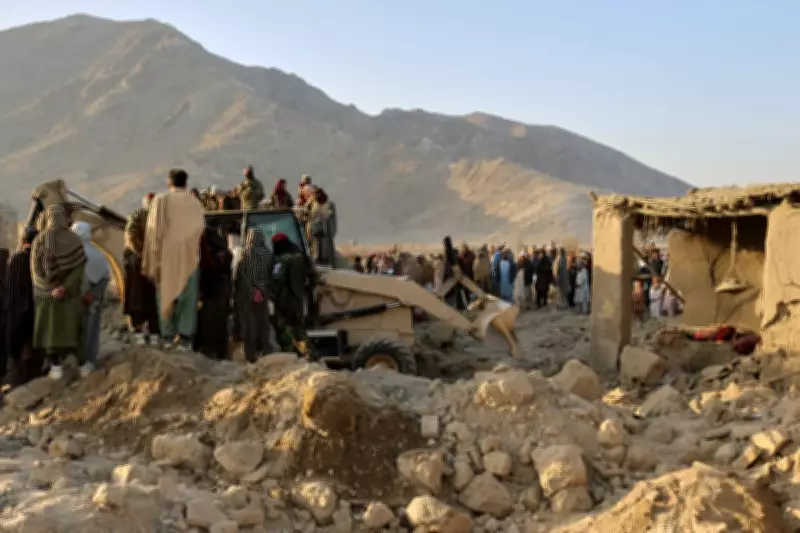
In contrast, Afghan government spokesperson Zabihullah Mujahid claimed the strikes occurred inside Afghanistan, targeting civilians in Nangarhar and Paktika provinces. He alleged dozens of casualties, including women and children, and accused Pakistan's military of attempting to compensate for internal security weaknesses. This conflicting narrative highlights the deepening rift between the two neighbouring nations.

Context of Escalating Violence and Tensions
The border strikes follow a series of devastating attacks in Pakistan. Just days prior, a suicide bomber driving an explosives-laden vehicle rammed into a security post in Bajaur district, Khyber Pakhtunkhwa province, killing 11 soldiers and a child. Authorities identified the attacker as an Afghan national. Hours before the latest strikes, another suicide bomber targeted a security convoy in Bannu district, resulting in the deaths of two soldiers, including a lieutenant colonel.
Pakistan's military had issued a stern warning after Saturday's violence, vowing not to "exercise any restraint" and to continue operations "irrespective of their location," signalling a potential escalation in cross-border actions. Tarar emphasised that Pakistan possesses "conclusive evidence" linking recent attacks, such as a suicide bombing at a Shiite mosque in Islamabad that killed 31 worshippers earlier this month, to militants directed by "Afghanistan-based leadership and handlers."
Diplomatic Strains and Regional Implications
Relations between Pakistan and Afghanistan have been tense since October, when deadly border clashes resulted in numerous casualties among soldiers, civilians, and suspected militants. A Qatar-mediated ceasefire has largely held, but subsequent talks in Istanbul failed to yield a formal agreement, leaving relations strained.
Pakistan has repeatedly urged Afghanistan's Taliban rulers to take verifiable steps to prevent militant groups from using Afghan territory to launch attacks. Tarar stated that no substantive action has been taken, prompting calls for the international community to pressure Afghan authorities to uphold commitments under the Doha agreement, which includes not allowing their soil to be used against other countries.
Pakistan has experienced a significant surge in militant violence in recent years, primarily attributed to the TTP and outlawed Baloch separatist groups. The TTP, while separate, maintains close ties with Afghanistan's Taliban, who regained power in 2021. Islamabad accuses the TTP of operating from within Afghanistan, allegations both the group and Kabul deny.
This latest development underscores the fragile security situation in the region, with both nations grappling with internal and cross-border threats. The strikes represent a bold move by Pakistan to address security concerns, but risk further inflaming diplomatic tensions and humanitarian issues along the volatile border.