

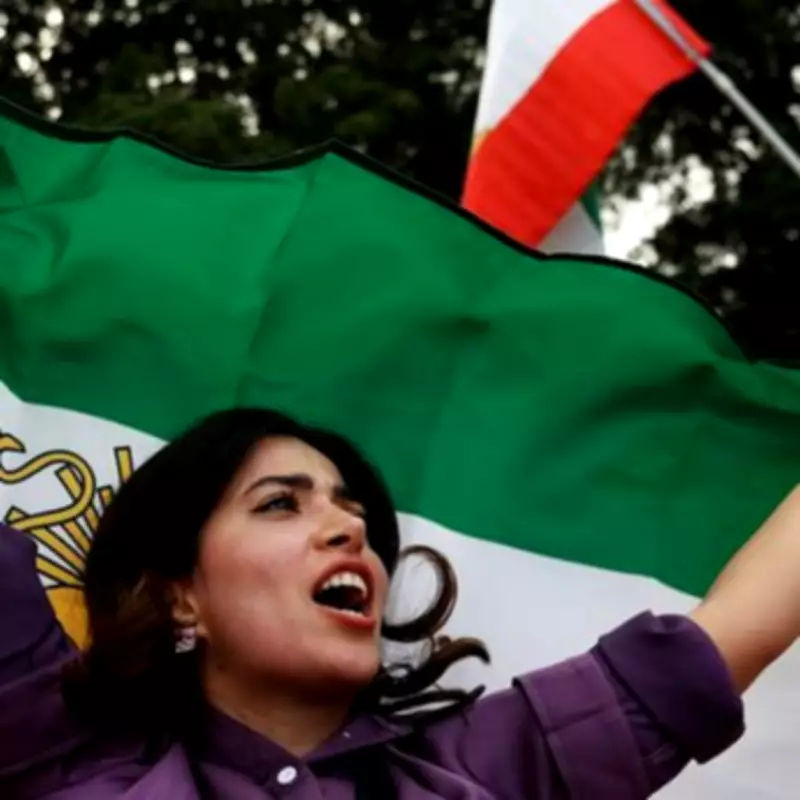
The death of Iran's Supreme Leader, Ayatollah Ali Khamenei, has ignited a wave of global protests, with demonstrators taking to the streets in cities worldwide to either celebrate or condemn the fatal air strikes that claimed his life. The 86-year-old leader, along with other key figures in the Iranian regime, was killed in a coordinated military operation by the United States and Israel, leading to widespread reactions across the Middle East and beyond.
International Demonstrations and Divisions
In major urban centers such as London, Sydney, and New York, anti-regime protesters flooded public spaces, waving flags of the former Shah of Iran and expressing support for former US President Donald Trump, who ordered the strikes. These gatherings were marked by jubilant scenes, with members of the Iranian diaspora dancing and cheering, hopeful that the Supreme Leader's demise could pave the way for democratic reforms in Iran.
Conversely, pro-regime demonstrators, often joined by anti-war activists, staged counter-protests, condemning the air strikes as acts of aggression. They held up photographs of Ayatollah Khamenei, chanting slogans against American intervention and warning of increased instability in the region. The divide highlights deep-seated tensions over Iran's future and the impact of foreign military actions.

Violence and Casualties in Karachi
The protests turned deadly in Karachi, Pakistan, where at least nine people were killed and several others injured when security forces opened fire on hundreds of demonstrators attempting to storm the US Consulate. The incident underscores the volatile nature of the situation, with pro-Iranian groups expressing outrage over the strikes and targeting American diplomatic facilities.
Eyewitness reports describe chaotic scenes as protesters clashed with armed guards, leading to a significant loss of life and raising concerns about further escalations in the area. This violence adds to the broader fears of regional destabilization following the Supreme Leader's death.
Reactions from the Iranian Diaspora
Many members of the Iranian diaspora, who fled Iran due to the oppressive rule of Ayatollah Khamenei, viewed his death as a potential turning point. They gathered in public squares, expressing hopes for freedom and an end to the repressive regime that has governed Iran for decades. These celebrations were often emotional, with participants sharing stories of persecution and optimism for a new era.
However, not all exiles shared this sentiment; some cautioned that the power vacuum left by the Supreme Leader's death could lead to further conflict or the rise of equally authoritarian forces, urging a cautious approach to the unfolding events.
Global Implications and Future Outlook
The air strikes and subsequent protests have sparked intense debate about the future of the Middle East. Analysts warn that the elimination of such a high-profile figure could trigger retaliatory actions from Iran or its allies, potentially escalating into broader regional conflicts. Meanwhile, international leaders are closely monitoring the situation, with calls for restraint and diplomatic solutions to prevent further bloodshed.
As demonstrations continue to unfold globally, the world watches with bated breath, balancing fears of instability with hopes for positive change in Iran. The legacy of Ayatollah Khamenei's rule and the circumstances of his death will likely shape geopolitical dynamics for years to come.






