Bafta Judge Steps Down Following Controversial Racial Slur Incident
Prominent filmmaker Jonte Richardson has announced his immediate resignation from his role as a Bafta judge, citing the academy's "utterly unforgivable" handling of a racial slur that was broadcast during its recent film awards ceremony. The director and producer confirmed he would no longer serve on the emerging talent judging panel, delivering a powerful statement that has sent shockwaves through the British film industry.
The Incident That Sparked Outrage
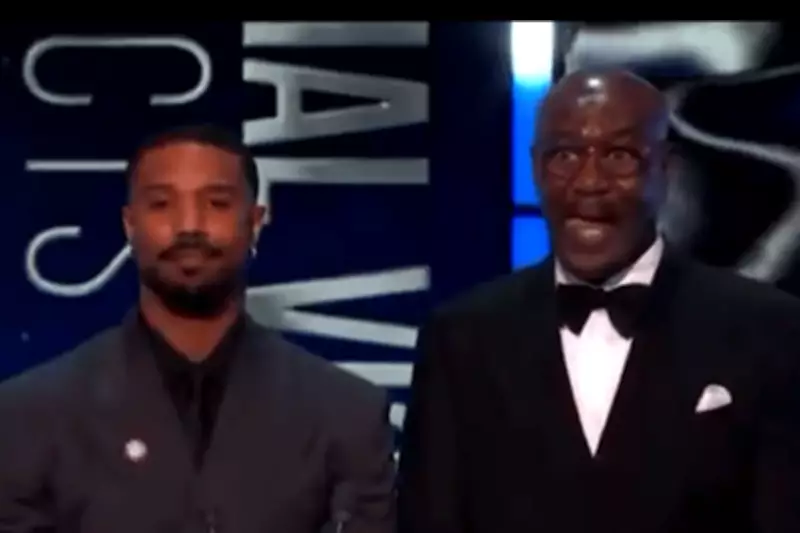
The controversy stems from an incident during Sunday's Bafta Film Awards at London's Royal Festival Hall, where Tourette's campaigner John Davidson shouted a racial slur during a presentation by Hollywood actors Michael B Jordan and Delroy Lindo. The 54-year-old's outburst was clearly audible as the Black actors presented the award for special visual effects, creating an uncomfortable moment that was broadcast to millions of viewers.
Mr Davidson, who has since expressed being "deeply mortified if anyone considers my involuntary tics to be intentional or to carry any meaning," was attending the ceremony representing the film I Swear, which chronicles his life with Tourette syndrome. According to NHS information, Tourette syndrome can in rare instances result in uncontrollable offensive language, though this explanation has done little to quell the growing controversy.

A Resignation Rooted in Principle
In a detailed statement posted on LinkedIn, Mr Richardson explained his difficult decision: "After considerable soul-searching, I feel compelled to withdraw from the Bafta emerging talent judging panel. The organisation's handling of the unfortunate Tourette's N-word incident last night at the awards was utterly unforgivable."
He continued with a powerful indictment of Bafta's approach: "I cannot in good conscience contribute to an organisation that has repeatedly failed to safeguard the dignity of its black guests, members and the black creative community." Mr Richardson highlighted the particular irony of this year's emerging talent cohort including "some incredible black talent," including one of his favourite shows of 2025, Just Act Normal.
Broader Concerns About Systemic Issues
The filmmaker's resignation letter delved deeper into systemic concerns: "When an organisation like Bafta, with its own long history of systemic racism, refuses to acknowledge the harm inflicted on both the black and disabled communities and offer an appropriate apology, remaining involved would be tantamount to condoning its behaviour."
Mr Richardson concluded by expressing hope that Bafta leadership and the BBC would "comprehend the damage they... have caused, and take the necessary steps to ensure their production staff are inclusive enough to prevent such an issue in the future."
Official Responses and Apologies
During the live broadcast, awards ceremony presenter Alan Cumming apologised for any offensive language viewers may have heard. Bafta later issued a formal statement on Monday night, apologising for the incident and taking "full responsibility" for placing its guests in a "difficult situation." The academy apologised "unreservedly" to Mr Jordan and Mr Lindo, and "to all those impacted," thanking them for their "incredible dignity and professionalism."
Bafta's statement affirmed: "We will learn from this and keep inclusion at the core of all we do, maintaining our belief in film and storytelling as a critical conduit for compassion and empathy."
The BBC also apologised for not editing the racial slur out of the broadcast. A corporation spokesperson stated: "Some viewers may have heard strong and offensive language during the Bafta Film Awards. This arose from involuntary verbal tics associated with Tourette syndrome, and as explained during the ceremony it was not intentional. We apologise that this was not edited out prior to broadcast and it will now be removed from the version on BBC iPlayer."

Scepticism About Meaningful Change
Responding to these official apologies, Mr Richardson remained unconvinced: "TBF the Bafta apology is considerably better than the BBC mumbled sidestepping. But the fact that it took 24 hours and intense backlash to get here suggests that despite its claims, Bafta remains inherently unsafe for black and disabled people."
He expressed significant scepticism about the potential for genuine reform, predicting that "the same production company and the same execs will still be in charge of next year's awards. So claiming to 'learn from this' will inevitably be as performative as their desire for inclusion."
Background of the Key Figures
Jonte Richardson is a respected director, writer, producer and editor who has worked on both sides of the Atlantic on projects including Channel 4's Bluefinch and award-winning productions for BET and HBO. He has built a reputation as a champion of diverse voices in the industry, making his resignation particularly significant.
John Davidson, who developed Tourette syndrome at age 12, was made an MBE in 2019 for his work increasing understanding of the condition. He chose to leave the auditorium early during the ceremony, stating he was "aware of the distress my tics were causing." The film he was representing, I Swear, won multiple awards including best casting, while its star Robert Aramayo won best actor and was named EE Rising Star.
This incident has sparked broader conversations about:
- The responsibilities of broadcasters in editing live events
- The intersection of disability rights and racial sensitivity
- Systemic issues within major cultural institutions
- The adequacy of apology and accountability mechanisms
- The practical implementation of inclusion policies in production environments
The resignation represents a significant moment for Bafta as it grapples with these complex issues while trying to maintain its position as Britain's premier film academy. The coming months will reveal whether this incident prompts genuine institutional change or remains another controversy in the organisation's history.