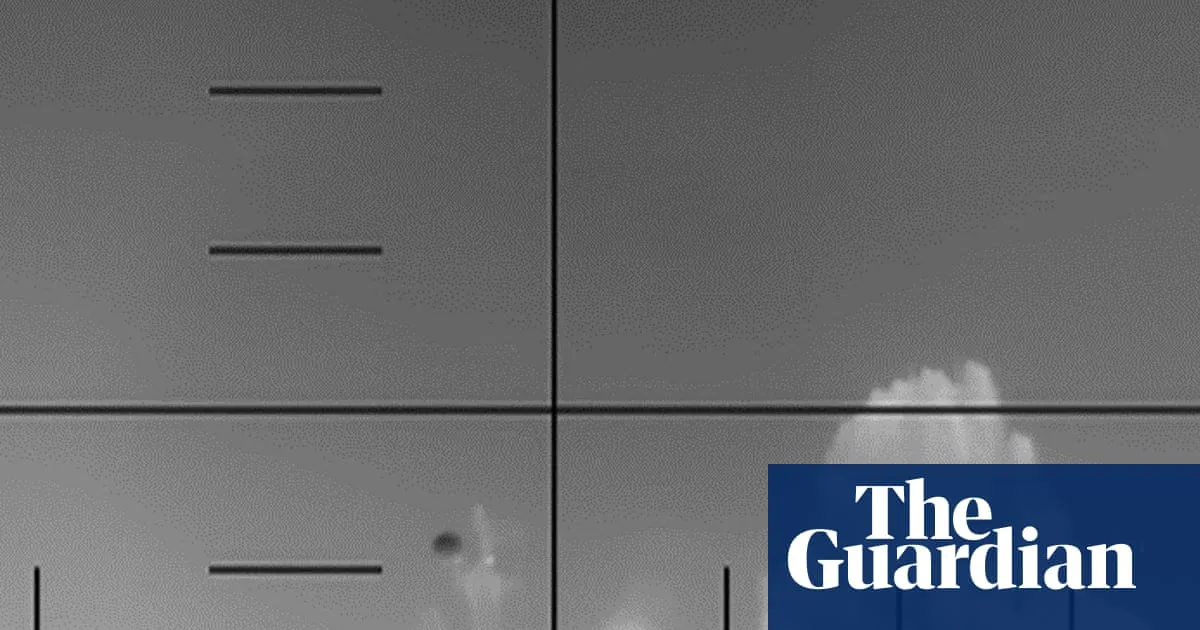
US Submarine Torpedoes Iranian Warship Off Sri Lanka Coast in Major Escalation
US Submarine Sinks Iranian Warship Near Sri Lanka

US Submarine Sinks Iranian Warship in Indian Ocean Near Sri Lanka

In a significant escalation of hostilities, a United States Navy submarine has torpedoed and sunk an Iranian warship off the southern coast of Sri Lanka. This marks the first direct US military attack on Iranian forces occurring outside the Middle East region since the ongoing conflict began.

Defence Secretary Confirms Deadly Strike

US Secretary of Defence Pete Hegseth publicly confirmed American involvement in the sinking of the Iranian frigate Iris Dena. "An American submarine sunk an Iranian warship that thought it was safe in international waters," Hegseth stated. "Instead, it was sunk by a torpedo." The attack was executed late on Tuesday night, with Hegseth noting it represents the first time since World War II that the US has targeted an enemy vessel in the Indian Ocean.

Rescue Operations and Casualty Reports

The Sri Lankan coastguard received a distress call from the Iris Dena at 5:08 AM local time on Wednesday. Crew members reported an explosion onboard. According to Sri Lankan Foreign Affairs Minister Vijitha Herath, naval vessels were dispatched by 6 AM and 7 AM respectively. The ship was located approximately 44 nautical miles (81 kilometers) off the coastal city of Galle, outside Sri Lanka's territorial waters but within its economic zone.

Rescue efforts have so far recovered 32 survivors, who were transported to a hospital in Galle via ambulance, and 28 bodies. With an estimated 140 personnel onboard, many remain unaccounted for. Sri Lanka Navy spokesperson Buddhika Sampath emphasized that the primary focus remains on helping survivors.

Technical Details and Iranian Claims

The Iris Dena was the newest frigate in the Iranian naval fleet, equipped with:

  • Surface-to-air missiles
  • Anti-ship missiles
  • Cannon and machine guns
  • Torpedo launchers

The vessel was likely returning from an international fleet review hosted by the Indian navy last week. According to a senior Sri Lankan official, Iranian embassy channels in Colombo believe the ship was specifically targeted by a US strike. They claim the vessel's defence systems were disabled by electromagnetic means prior to the torpedo impact. A Sri Lankan defence source reported the ship appeared to have been struck by two torpedos amidships.

Broader Conflict Context

This submarine strike occurs amidst intensifying Middle East hostilities following joint US-Israeli strikes on Iran over the weekend. The US bombardment has already resulted in significant Iranian casualties, including Supreme Leader Ayatollah Ali Khamenei and numerous high-ranking officials, while targeting ballistic missile and air defence infrastructure.

In retaliation, Iran has launched missile strikes across the Middle East and halted all shipments through the Strait of Hormuz, a critical global oil corridor. Strikes continued into Wednesday, with Israel conducting further attacks on Tehran. Sri Lankan President Anura Kumara Dissanayake expressed solidarity with the United Arab Emirates following Iranian retaliatory strikes, stating Sri Lanka "stands firmly with the UAE and is ready to assist in any way it can."

Strategic Implications and Analysis

Well-connected Sri Lankan defence analyst Rohan Gunaratna confirmed receiving information about the US torpedo attack from a submarine. The main US naval base in the Indian Ocean is Diego Garcia, located over 1,000 miles from Sri Lanka in the Chagos Archipelago. This attack signals a dangerous expansion of US military operations against Iran beyond traditional Middle Eastern theatres, potentially drawing other nations into the conflict and disrupting vital maritime trade routes.

The Iranian government has yet to issue an official statement regarding the incident, while the Trump administration faces accusations from experts of waging an illegal war against Iran. As rescue operations continue off Sri Lanka's coast, the international community watches closely for further escalation in this rapidly evolving conflict.




