US Torpedo Strike on Iranian Warship Near Sri Lanka Sparks Regional Crisis
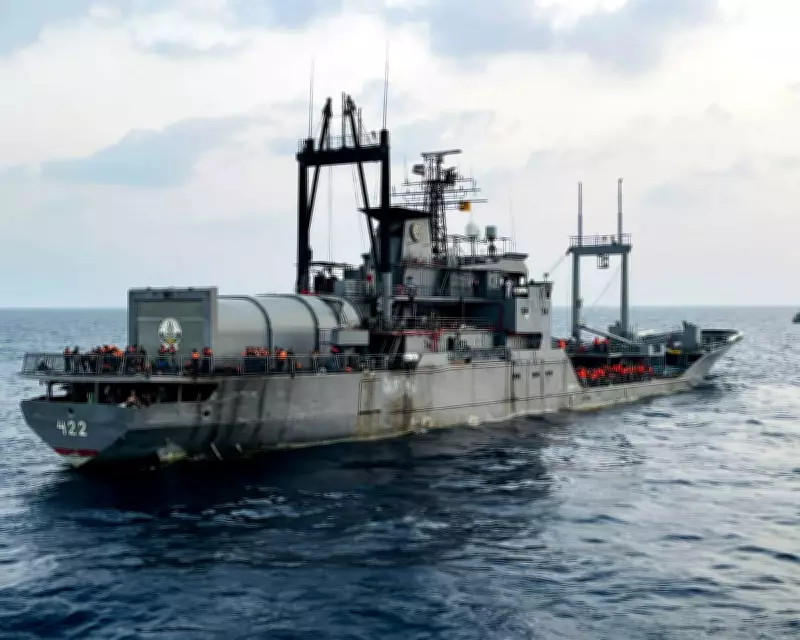
The Sri Lankan navy received a distress call just after 5am, reporting a ship in trouble approximately 19 nautical miles off the coast of Galle. Swiftly mobilising, search and rescue boats were dispatched by 6am, navigating through thick morning mist. Instead of a vessel, they discovered a spooling oil slick, with dozens of survivors clinging to life rafts and bodies floating in the waves. The IRIS Dena, an Iranian warship, had already sunk to the bottom of the Indian Ocean after being struck by a US Mark 48 torpedo.
Attack Details and Immediate Aftermath
The attack occurred when the US nuclear-powered submarine USS Charlotte launched the torpedo, causing the Dena to sink in under three minutes. At least 84 people were killed, with their bodies repatriated to Iran this week. The warship was over 3,000km from the Gulf and not on an active mission, drawing comparisons to the controversial sinking of the Belgrano during the Falklands War. The Dena had been invited by India to participate in an international fleet review in Visakhapatnam, alongside over 70 countries including the US, Australia, and Russia.
Regional Reactions and Geopolitical Implications
Iran condemned the attack as an "atrocity," while the Trump administration defended it as a legitimate target. US Defence Secretary Pete Hegseth expressed glee, stating the Dena died a "quiet death." President Donald Trump boasted about sinking Iranian ships as part of military strategy. However, the incident has stunned senior military figures in the region, raising fears that the US-Israel war on Iran could escalate in the geopolitically sensitive Indian Ocean.

India's former chief of naval staff, Admiral Arun Prakash, called the attack "shocking" and a "bit of treachery," noting it undermined India's partnership with the US. He emphasised that targeting a ship with 130 people onboard, which posed no immediate threat, was ethically questionable. Similarly, Sri Lankan officials, including Rear Admiral Sarath Weerasekara, criticised the US for disregarding post-World War II conventions, such as the Geneva Convention requirement to rescue survivors.
Sri Lanka's Role and Delays
Sri Lanka has insisted it acted with "humanity" in the rescue operation, but questions remain about delays in granting the Iranian ships permission to dock. The Dena and support ship IRIS Bushehr awaited approval for over 11 hours, leaving them vulnerable. Weerasekara admitted that prompt action could have saved lives. After the attack, Sri Lanka allowed the Bushehr to dock amid fears of further strikes.
Impact on India's Security Posture
The attack has exposed vulnerabilities in India's security framework, with a US submarine operating near its territory without prior knowledge. Defence analyst Sushant Singh described it as a "humiliation" for Prime Minister Narendra Modi's government, signalling India's limited influence in the Indian Ocean region. Retired Vice Admiral Shekhar Sinha, who interacted with Iranian cadets at the fleet review, expressed distress over the deaths and called for enhanced underwater surveillance to prevent similar incidents.
This event underscores the need for India to reassess its ocean security strategies and highlights the complex dynamics of global alliances in conflict zones.