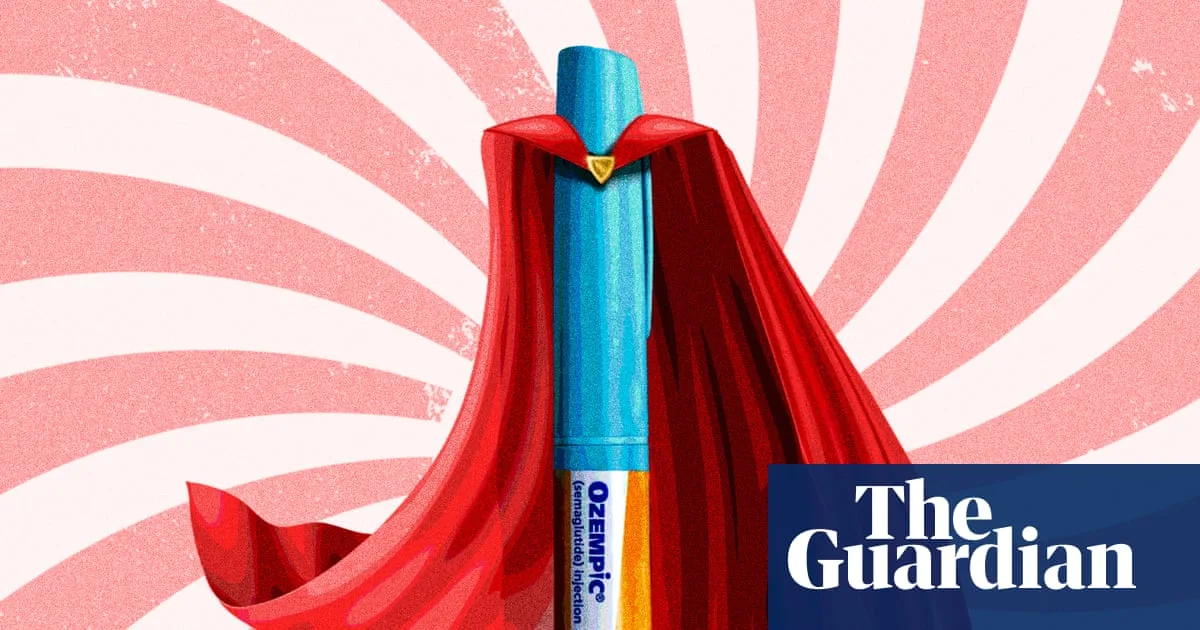
New drugs such as Ozempic and Wegovy are transforming obesity treatment and, according to findings presented at the European Congress on Obesity in Málaga, promise health benefits that extend far beyond weight loss. The medications, which mimic hormones that suppress appetite, have been shown to reduce the risk of 42 diseases including heart disease, cancer, and Alzheimer's.
Professor Susan Jebb of the University of Oxford, who has researched obesity since the 1980s, described the developments as 'extraordinary'. She noted that the drugs have energised the field after decades of neglect. The active ingredient semaglutide works by mimicking the hormone GLP-1, while Eli Lilly's tirzepatide targets two hormones and led to an average 20% weight loss in a head-to-head trial.
Studies presented at the congress suggest the benefits may be partly independent of weight loss. A trial of semaglutide in patients with fatty liver disease found the drug could halt or reverse the condition even in those who lost little weight. Similarly, weight-loss jabs nearly halved the risk of obesity-related cancers, with effects larger than expected from weight loss alone.
Dr Toby Pillinger, a psychiatrist at King's College London, described the drugs as 'the Swiss army knife of medicines', noting potential benefits for mental health and addiction. He said the drugs appear to act on the brain's reward system, suggesting direct neurological effects. The findings have sparked excitement about future applications in psychiatry.