For those looking to reduce saturated fats, replacing coconut milk in vegetarian curries is possible with a few clever swaps. Karan Gokani, author of Indian 101, suggests using vegetable stock as a straightforward substitute. Alternatively, John Chantarasak, chef and co-owner of AngloThai in London, recommends yoghurt, which is often readily available in the fridge.
Not all curries rely on coconut milk. Sirichai Kularbwong of Thai restaurant Singburi in London explains that dry curries, made by frying curry paste with dried chillies and seasoning with fish sauce (or vegan fish sauce), tamarind and sugar, offer a coconut-free option. For wet curries, he suggests gaeng om, a broth made with garlic, chillies, lemongrass and vegetable stock, typically paired with pumpkin, mushrooms and pak choi.
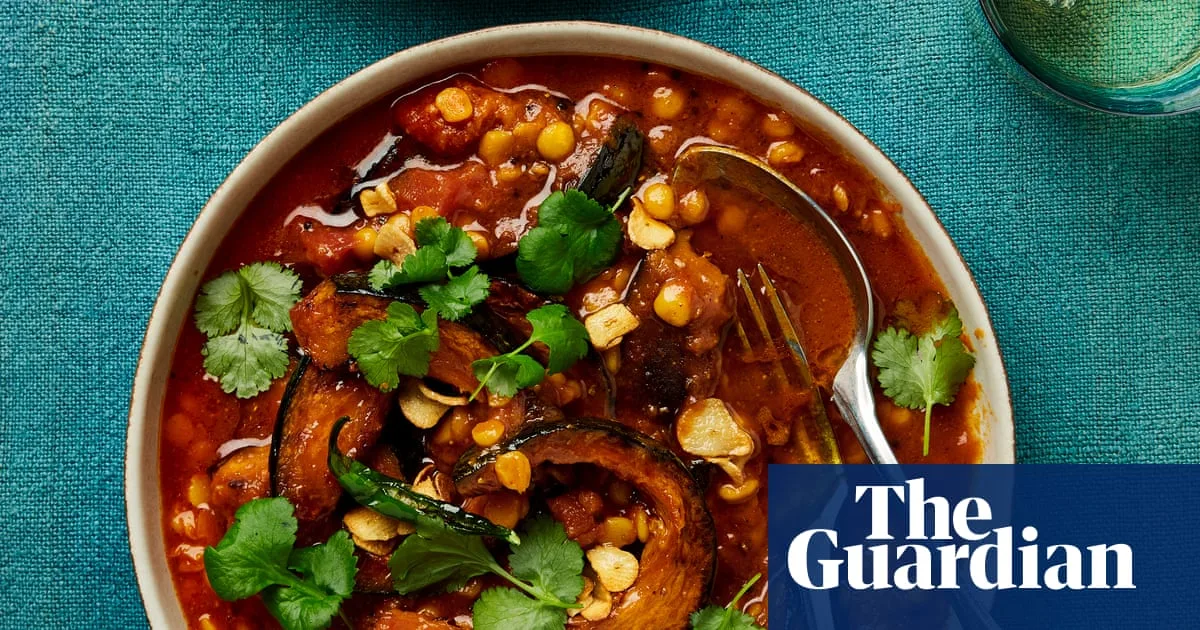
Chantarasak shares a batch-cook method: roast cauliflower or squash with oil, salt and garam masala. For the sauce, sweat onions, garlic and ginger, add fenugreek leaf, green cardamom and nuts like cashews or almonds, then blend with water until smooth. Return to the pan, stir in yoghurt and mix with the roasted vegetables.
Vivek Singh of the Cinnamon Collection recommends a cauliflower curry. Heat oil with whole spices like cardamom, cinnamon and cloves, then add onions and cook until caramelised. Add ginger-garlic paste, ground cumin, coriander, turmeric, chilli powder and salt. Stir in tomatoes, potatoes and carrots, then cauliflower florets. Cover and sweat for five minutes, add water, simmer for 10 minutes, and finish with garam masala, fenugreek leaves, coriander and lemon juice. Serve with chapatis.
For a simple, comforting option, Gokani suggests rasam, a south Indian tomato and black pepper broth. “It’s brilliant just sipped from a cup,” he says.