Remove Black Mould from Sealants in 5 Minutes with Baking Soda

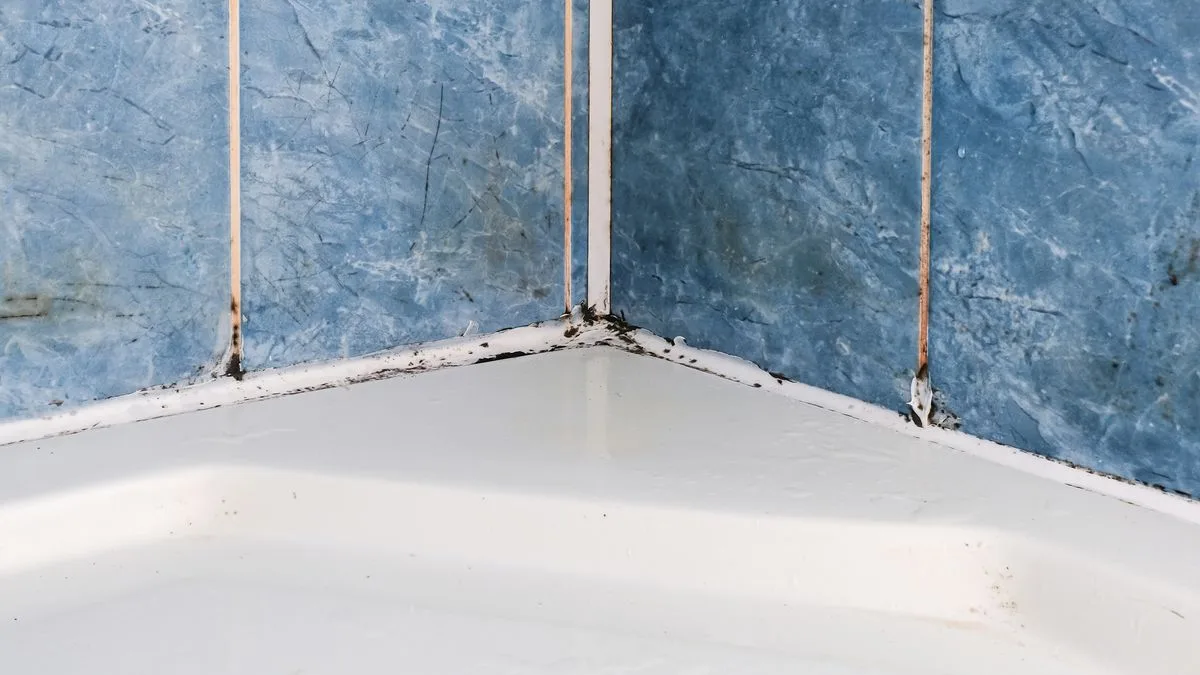
Black mould on silicone sealants can be effectively removed in just five minutes using a natural ingredient that is likely already in your kitchen. Baking soda, when mixed with water to form a paste, offers a cheap and convenient alternative to chemical-laden mould sprays.

Why Mould Grows on Silicone

Silicone sealants are commonly used around showers, bathtubs, and windows to create watertight seals. However, when the silicone remains damp and soap deposits accumulate, it creates an ideal environment for mould growth. Over time, this mould can cause the silicone to turn black and even compromise its functionality.

The Problem with Chemical Cleaners

While many commercial mould killer sprays are available in supermarkets, they often contain bleach and other harsh chemicals. These can be unsafe for household use, especially in enclosed spaces. Fortunately, a simple baking soda paste can tackle the problem without the need for such chemicals.

Wide Pickt banner — collaborative shopping lists app for Telegram, phone mockup with grocery list

How to Remove Black Mould with Baking Soda

UK sealant company GT Sealants has shared a straightforward method for removing black mould from silicone using baking soda. The process is simple and requires only a few household items.

Step-by-Step Guide

  1. Create a paste: Mix two to three teaspoons of baking soda with one cup of water until a thick paste forms.
  2. Apply the paste: Using a cloth, scoop a small amount of paste and apply it directly to the black mould on the silicone sealant.
  3. Let it sit: Leave the paste on the mould for at least five minutes. To keep the paste moist, wrap the silicone in cling film. This allows the baking soda to work on breaking down the mould.
  4. Scrub away: After five to ten minutes, remove the plastic wrap and scrub the area with a brush or an old toothbrush to dislodge the mould.
  5. Rinse and dry: Sponge the area with cool water to remove any residue, then dry thoroughly with a clean cloth. Drying is crucial to prevent future mould growth.

If the mould persists, you may need to repeat the process several times. Silicone is naturally tough and resilient, so stubborn stains may require extra effort.

Final Tips

Once all mould is removed, ensure the silicone is completely dry. Many people overlook this step, but it is essential for preventing mould from returning. By keeping the sealant dry, you can maintain a clean and mould-free environment.

Pickt after-article banner — collaborative shopping lists app with family illustration




