
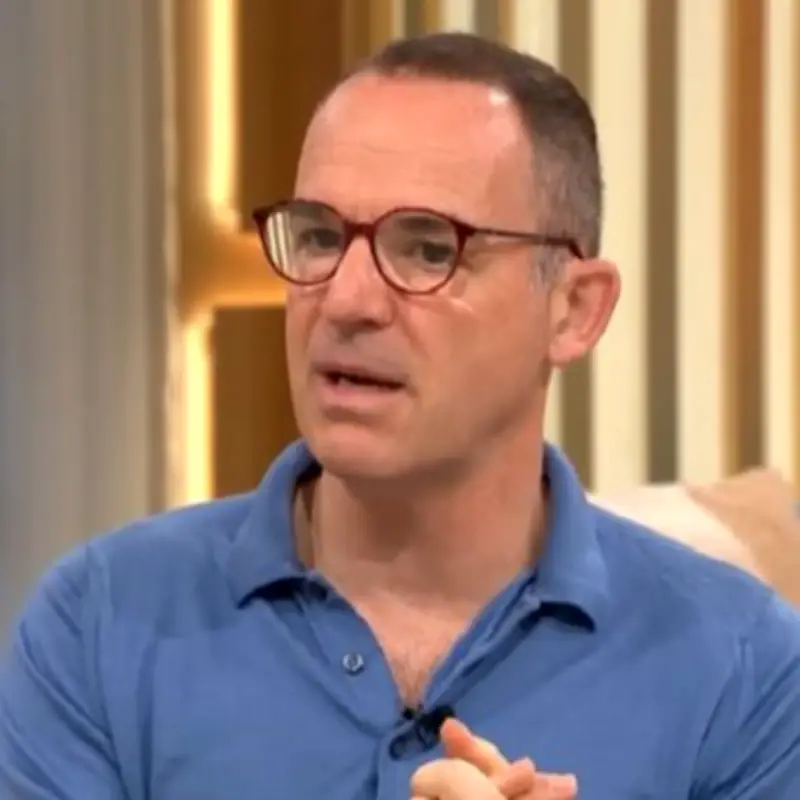
UK households are being urged to take a photo of their energy meter before July 1, following advice previously backed by Money Saving Expert founder Martin Lewis. The Ofgem energy price cap is set to increase from the start of July, meaning households on standard variable tariffs will face higher costs per unit of gas and electricity. However, energy consultant Justin Nielsen of Wolf River Electric warns that the biggest mistake is assuming suppliers will automatically know how much energy was used before and after the price change.
Why a Meter Reading Matters
Justin Nielsen explains that a simple meter reading can prevent bill confusion and reduce the risk of being charged at the wrong rate. He says: "The one thing I would tell every household to do before July 1 is take a clear meter reading and keep a photo of it. It takes less than five minutes, but it gives you a record of exactly where your usage stood before the new rates came in." The price cap caps the unit rate and standing charge, not the total bill, so accurate readings are crucial.
This advice echoes Martin Lewis, who frequently reminds households to take a quick photograph of their meters, especially for 'Meter Reading Day'. He once said: "I would still get your phone out and take a picture of your meter today just in case of a future dispute." The Money Saving Expert team also recommends taking a picture to have readings handy, then logging into your online account to enter them.
Who Should Take a Reading?
The warning is most important for households without a smart meter, those with faulty smart meters, or those with estimated bills in the past. It also applies to recent movers, those who changed supplier or direct debit, or anyone whose bills seemed inaccurate. Justin notes: "If your bills regularly say 'estimated', take control yourself. Estimated bills can catch people out, often unnoticed until weeks later."
How to Take a Proper Reading
Households should read both gas and electricity meters, ignoring red numbers or digits after a decimal point. For digital meters, press the display button until the reading appears. For prepayment meters, check supplier instructions. Justin advises: "Take a photo, submit the reading via your supplier's app or website, and keep confirmation. Do not put yourself at risk if the meter is unsafe to access."
The best time to read is the evening before or morning of July 1, but doing it a day or two earlier is better than nothing. Even smart meter households should log into their account to confirm readings are being received, as some smart meters lose communication.
Other Energy Checks Before July
Justin urges households to review their tariff, direct debit, and energy habits. He says: "Check if you are on a fixed or variable tariff, compare your direct debit to actual usage, and challenge it if it seems off." With summer approaching, waste from fans and portable air conditioners can add up. "A fan should cool you, not an empty room. With portable air conditioning, keep doors closed and seal windows."
The key message is to treat July 1 as a financial cut-off point. By taking a reading, submitting it, and checking the next bill, households can avoid costly errors. Justin concludes: "People cannot control global energy prices, but they can control whether their own account is accurate. That small bit of admin could make the difference between a bill you understand and one you have to fight later."




