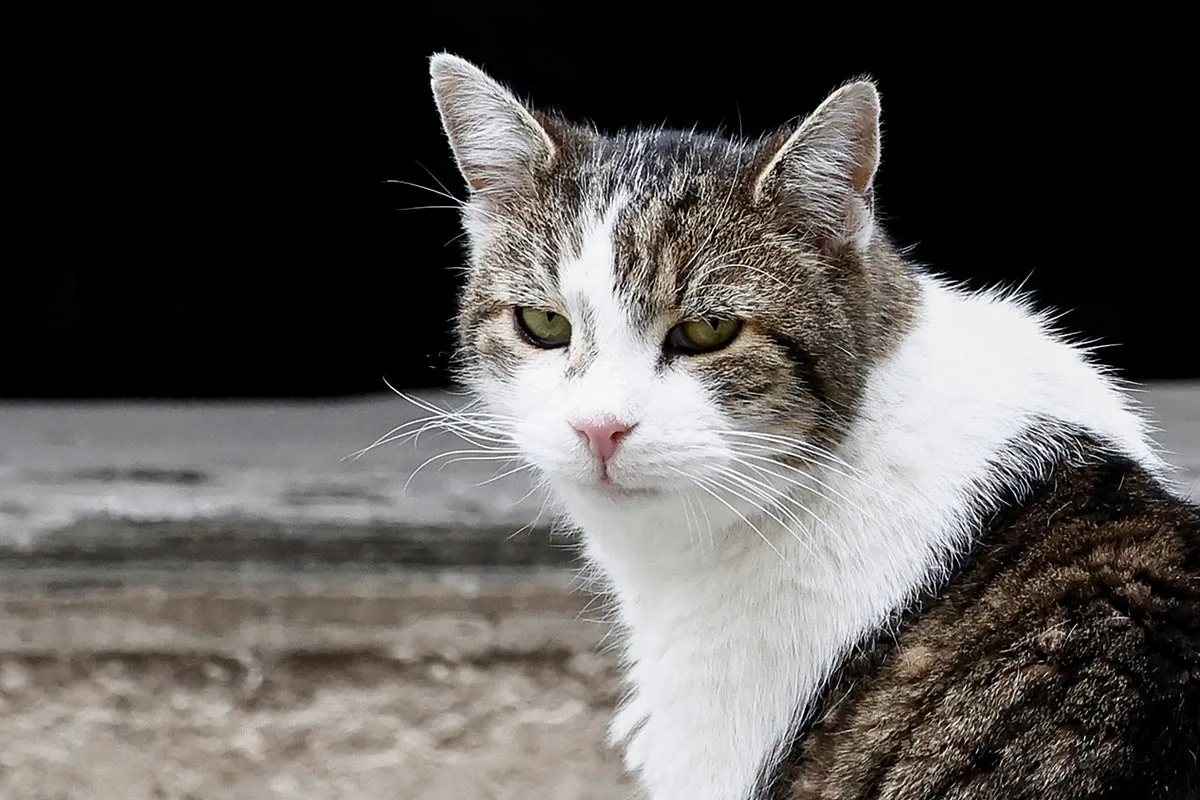
Keep Your Cat Indoors to Extend Its Life by 2-3 Years, Study Finds
Keep Cats Indoors for Longer Life, Study Finds

Researchers have identified a simple yet effective way to help your cat live longer: keep it indoors. A comprehensive review of studies from around the world reveals that outdoor pet cats have a lifespan at least two to three years shorter than those kept contained.

The Dangers of Roaming

Allowing a domestic cat to roam outside exposes it to considerable danger. About two-thirds of Australian cat owners report that a cat has died while roaming. The top risks include road traffic accidents, fighting, and falls. In addition to the emotional toll of losing a pet, owners often face large veterinary bills for injuries or lifelong health conditions.

Camera collar studies provide a cat’s-eye view of these hazards. In one US study of 55 free-roaming cats, 25% risked poisoning by eating or drinking away from home, 45% crossed roads, 25% encountered other cats, 20% crawled under houses, and 20% explored storm drains. Similar patterns were observed in New Zealand, where 59% of cats drank away from home, 40% ate away from home, 32% crossed roads, and 21% climbed onto roofs. In Australia, radio-tracked cats averaged 4.8 road crossings per day.

Wide Pickt banner — collaborative shopping lists app for Telegram, phone mockup with grocery list

Deadly Outcomes

Trauma from road traffic accidents, fighting, and falls is a leading cause of death for free-roaming cats globally. A UK study found road accidents were the primary cause of death for cats up to eight years old. European estimates suggest 18–24% of cats are struck by a car during their lifetime, with about 70% of those incidents proving fatal. Victims are often under five years old and predominantly male. Risks are higher for unneutered cats, which roam more widely.

Even high-profile cats are not immune. Former New Zealand Prime Minister Jacinda Ardern’s cat, Paddles, died after being hit by a car in 2017. Beyond accidents, roaming cats face serious infectious diseases like Feline Immunodeficiency Virus (FIV) and frequent fights that can lead to fatal abscesses and costly veterinary treatment. Deliberate cruelty, including poisoning and injury, is also a documented risk.

How to Protect Your Cat

The simplest solution is to contain your cat on your property. This doesn’t mean keeping it indoors at all times; backyards can be modified with fence-top rollers, or owners can build a “catio” – an enclosed outdoor space that allows fresh air and sunshine while keeping the cat secure. Many cats can also be trained to walk on a harness or leash for supervised outings.

Indoor cats need entertainment: outside views, toys, scratching surfaces, above-ground climbing and sitting spaces, and opportunities for play. As solitary animals, they also appreciate hiding places. If cats cannot go outside to toilet, provide two indoor litter trays per cat, cleaned frequently, placed in separate quiet locations away from food bowls.

Responsible Cat Ownership

Cat ownership in Australia has risen from roughly a quarter of households in 2019 to a third by 2025. Over the same period, the proportion of owners keeping cats indoors increased from 36% to 48%. This shift reflects a growing recognition that containment benefits both cats and wildlife. As Australian singer Eric Bogle advises: “Oh you who love your pussy be sure to keep him in. Don’t let him argue with a truck, the truck is bound to win.”

Pickt after-article banner — collaborative shopping lists app with family illustration




