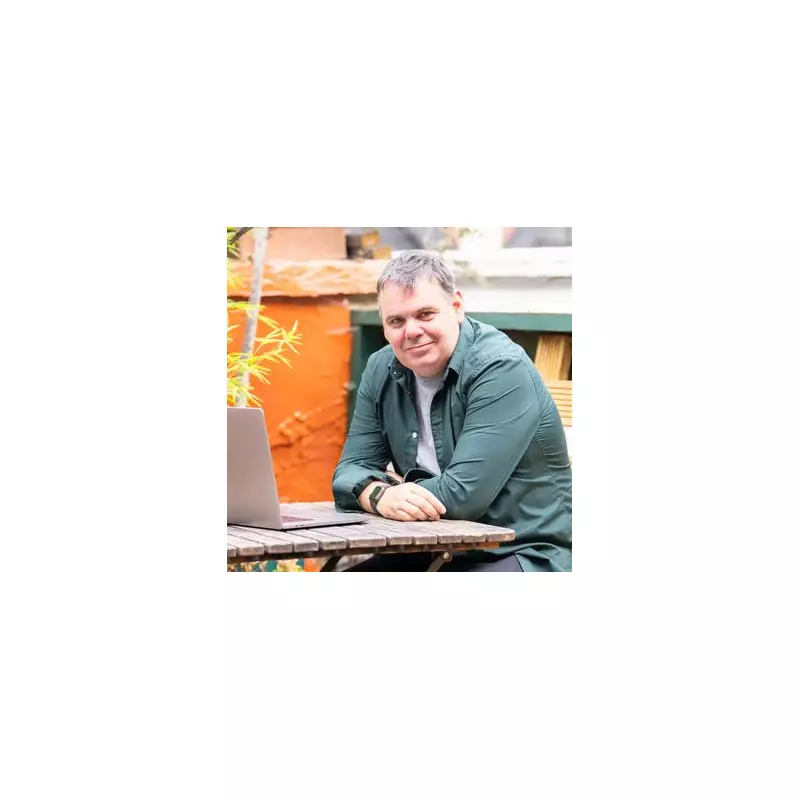
A prominent London hypnotherapist is challenging the reliance on pharmaceutical weight-loss injections, proposing a psychological alternative. Phil MacLeod, founder of the Thought Reader clinic, asserts that individuals can "think themselves thin" by reprogramming subconscious cravings through a specific 10-step plan.
The Mind Over Matter Approach to Weight Management
MacLeod told the Mirror that dozens of his clients have successfully lost weight using his techniques, avoiding needles, side effects, and strict dieting. His method focuses on harnessing the power of the unconscious mind to foster lasting behavioural change. "Following these steps daily will help you focus on the body that you want," MacLeod explains. "It will empower you and create genuine, long-lasting change." He claims that over time, sugary snacks lose their appeal as natural sweetness becomes more satisfying, all without relying solely on willpower.
The Core Steps of the Mind Method
The plan begins with controlled breathing and visualisation. MacLeod recommends closing your eyes, taking a deep breath, and exhaling for twice as long. During this, you should picture a happier, healthier, and more energetic version of yourself three months in the future, even visualising a perfectly fitting, confidence-boosting outfit.

Step two involves visualising an internal "appetite dial" set to high and mentally switching it to auto. This, MacLeod says, helps the mind regain control over what, how much, and when to eat, allowing your stomach's natural signals to guide you.
A crucial component is breaking the link between mood and food. MacLeod identifies boredom, stress, and low moods as emotional triggers that can trick the brain into craving junk food. Hypnosis aims to create a pause in these moments, enabling a conscious choice rather than an automatic reach for snacks.
Building Sustainable Habits
The method also advocates for mindful eating practices to combat autopilot snacking. This includes eating in a designated place, using cutlery, and eliminating distractions like phones and TV. This heightened awareness makes it easier to notice when you are full.
To rewire the brain's response to cravings, MacLeod suggests using the breathing technique to vividly recall and amplify the uncomfortable feeling of being bloated. Similarly, for snacking habits, visualise the energising effect of eating fruit versus the sickly, heavy feeling from too many sweets.
When a craving strikes, step seven is a simple "craving countdown": close your eyes, take a deep breath, and count slowly from ten to one. This brief interruption can diffuse the urgency and prevent a binge.
MacLeod emphasises the importance of sleep, noting that tiredness increases hunger hormones. He recommends an evening wind-down ritual with slow breathing to prepare for rest. Furthermore, he proposes a visualisation exercise to reconnect with the body's "I'm full" signal, imagining a soft golden light over the stomach with each breath.
The final step is about identity shift: manifesting your future self as someone in control of cravings who consistently makes healthy choices. "Step into that version of you. See through their eyes. Feel their confidence, clarity and control," MacLeod advises.
This 10-step plan, presented on 13 January 2026, offers a drug-free perspective on weight management, positioning the mind as the primary tool for overcoming cravings and achieving sustainable health goals.