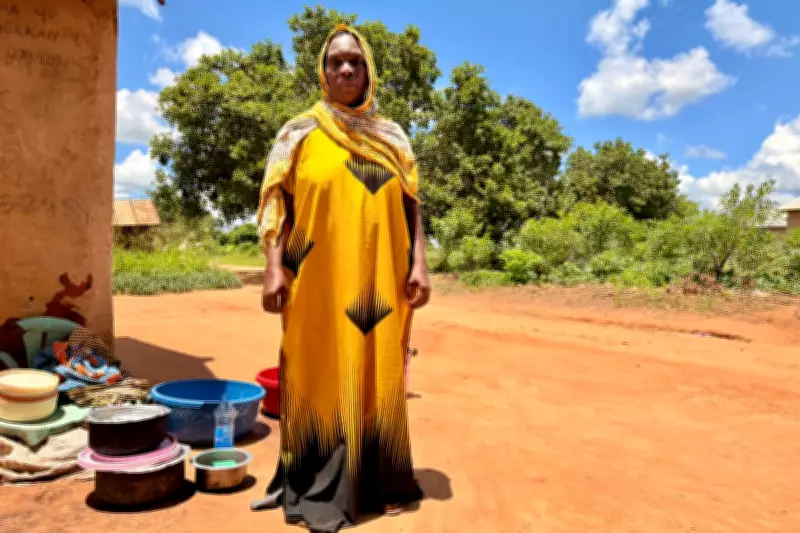
In the village of Mwavi, Tanzania, the death of a motorbike mechanic from malaria highlighted the disease's devastating impact. However, participation in a trial for the R21 malaria vaccine, developed by Oxford University's Jenner Institute, has transformed the community's experience. Mgeni, a mother of five, reports a 90% reduction in malaria cases over five years. Dr Angela Gwakisa, the lead clinician, confirms the vaccine's effectiveness, noting that even adults benefit as the vaccine blocks parasite transmission.
Vaccine success and community gratitude
The R21 vaccine, approved by WHO in 2023, has been tested in Bagamoyo District. Amina, another mother, praises the trial for reducing illness in children. Dr Gwakisa received 21 pineapples as a token of gratitude from a mother. However, the trial is ending, and results will be submitted for approval. The key concern is whether Tanzania can afford to include the vaccine in routine immunisation amid aid cuts.
Aid cuts threaten health systems
USAID's closure cost Tanzania $216 million, affecting 5,000 healthcare workers. Mgeni and Amina note that mosquito net distribution has stopped, and malaria medication is sometimes unavailable. Dr Maxmillian Mpina, overseeing another vaccine trial, warns that the health system will struggle due to budget reorganisation. Ifakara Health Institute, which runs the trials, lost a $15 million USAID programme, impacting research.

Dr Brian Tarimo's work on genetically engineered mosquitoes and Dr Sarah Moore's research on bed nets have been affected. Dr Moore says research funding has been "decimated," and she has reduced her consultancy and PhD students. Global malaria funding of $3.9 billion is less than half the $9.3 billion needed, and cuts are worsening the gap.
Need for sustained investment
Dr Moore emphasises that technological breakthroughs require funding for production and implementation, citing polio vaccine challenges. Medicines for Malaria Venture (MMV) has developed 19 antimalarial drugs, treating 1.5 billion people. CEO Martin Fitchet stresses that both health system financing and R&D are essential: "If you stop funding health systems, people die today; if you stop R&D, people die tomorrow."