
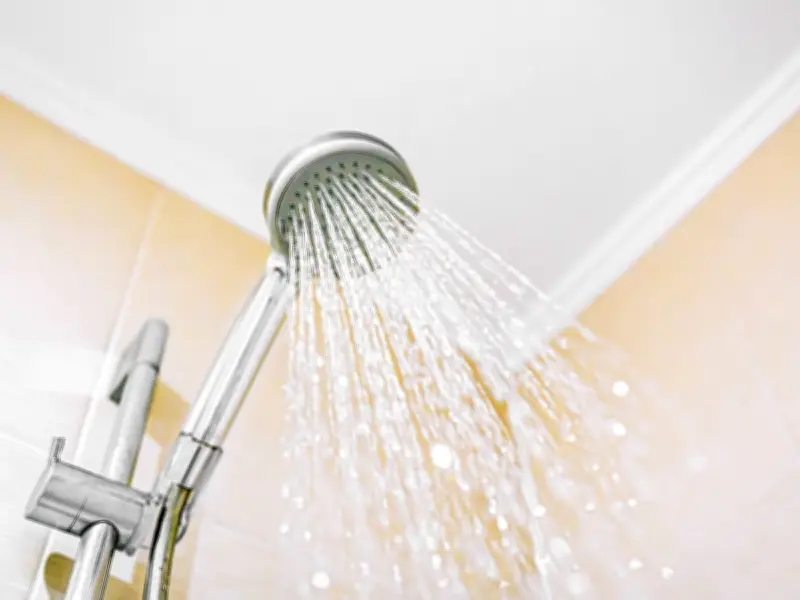
Brits Urged to Shower and Change Clothes to Combat Hay Fever
The UK health service has issued a reminder to help reduce hay fever symptoms, urging people to shower and change their clothes as soon as they return home this week. With pollen counts soaring, millions of Brits are at risk of suffering from this common allergy.
Hay Fever Affects Millions
Hay fever affects approximately 16 million people across the UK, making it one of the most common long-term health conditions. Around 20% to 26% of adults and 10% to 15% of children are affected by this pollen allergy.
High Pollen Levels Predicted
The Met Office forecasts high pollen levels across various parts of the UK this week, with some areas reaching 'Very High' levels from June 15. These conditions are expected to cause misery for many allergy sufferers.
NHS Guidance
The NHS has shared advice online, stating: "There are high levels of pollen across some parts of the country over the coming days. Hay fever is a common allergy that causes sneezing, coughing and itchy eyes." While the allergy cannot be cured, symptoms can be eased.
Key recommendation: Shower and change clothes after spending time outdoors on high pollen days. Showering rinses pollen from skin and hair, while changing clothes prevents pollen from settling on indoor furnishings like sofas and carpets, reducing overall indoor allergen exposure.
Additional Tips from the NHS
- Put petroleum jelly (such as Vaseline) around your nostrils to trap pollen
- Wear wraparound sunglasses, a mask or a wide-brimmed hat to keep pollen out of your nose and eyes
- Keep windows and doors shut as much as possible
- Vacuum regularly and dust with a damp cloth
- Use a pollen filter in your car's air vents and a HEPA filter in your vacuum cleaner
When Symptoms Are Worst
Hay fever symptoms are typically worse between late March and September. Warm, humid and windy conditions can make the problem worse. Unlike a cold, which usually clears up in one to two weeks, hay fever can last for weeks or months.
Seeking Treatment
The NHS advises speaking to a pharmacist for advice and effective treatments, such as antihistamines (available as drops, tablets or nasal sprays) or steroid nasal sprays. Visit a GP if symptoms worsen or fail to improve after using pharmacy medicines. More information is available from Allergy UK.




