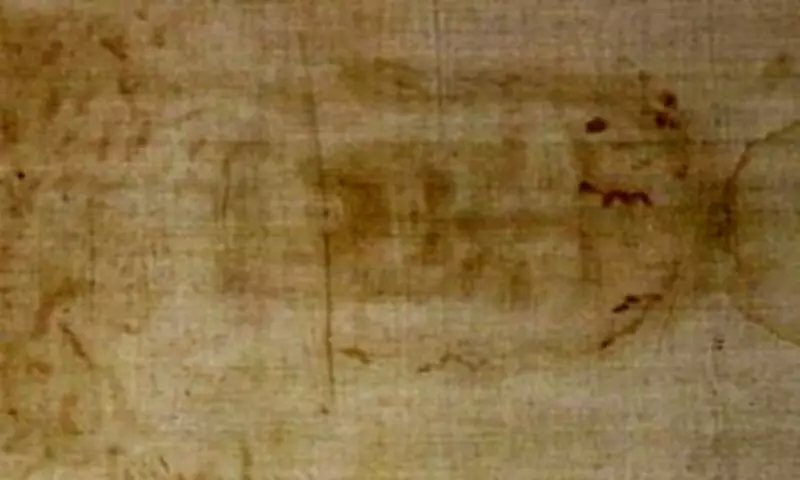
New DNA Analysis Deepens Turin Shroud Mystery with Multiple Biological Sources
A comprehensive new scientific investigation has revealed that the enigmatic Turin Shroud contains genetic material from numerous distinct biological sources, further complicating centuries of debate surrounding the venerated religious artifact. Researchers from the University of Padova conducted meticulous DNA and metagenomic analyses on samples collected from the famous linen cloth in 1978, uncovering a complex biological mosaic that includes multiple human lineages alongside animal, plant, and fungal DNA.
Complex Genetic Tapestry Uncovered
The research team, led by Professor Gianni Barcaccia, published their preliminary findings in the bioRxiv preprint repository, stating that their work provides original insights into the biological diversity preserved on the shroud. "Our findings highlight its preservation conditions and environmental interactions, offering valuable perspectives into the identified genetic variants, which originated from multiple biological sources," the researchers explained in their study documentation.
This 14-foot-long linen cloth, currently housed at the Cathedral of St. John the Baptist in Turin, Italy, bears a faint image of a man that many believers interpret as Jesus Christ. For generations, Catholic pilgrims have traveled to Turin to view what they consider to be the actual burial shroud that wrapped Christ's body following his crucifixion, leaving behind what appears to be a photographic imprint of the event.

Human DNA Signatures and Contamination Challenges
The analysis identified several human mitochondrial DNA lineages on the textile, including genetic markers common in Western Eurasian populations and others prevalent in Near Eastern regions. However, researchers noted the presence of "clear signatures" of modern DNA contamination, unsurprising given the countless individuals who have handled the shroud over centuries of public veneration and scientific examination.
More significantly, the study revealed substantial amounts of older human genetic material. "The occurrence of an unusually high number of human heteroplasmies and the coexistence of different mtDNA variants confirm that the Shroud came into contact with multiple individuals, thereby challenging the possibility of identifying the original DNA of the Shroud," the research team concluded. This genetic complexity suggests that determining whether the cloth actually wrapped Jesus's body may remain scientifically impossible.
Animal and Plant DNA Clues to Geographical Origins
Beyond human genetic material, the analysis detected DNA from numerous animal species including domestic cats, dogs, chickens, cows, pigs, goats, sheep, rabbits, and horses. These findings provide potential geographical clues about the shroud's history. "Concerning the Shroud's journey, the presence of red coral, livestock, and domestic cats and dogs suggest Mediterranean origins or transit through Mediterranean regions," the researchers noted in their paper.
Plant DNA analysis yielded equally intriguing results, with genetic traces of carrots and cereals—crops not typically associated with the Middle Eastern agricultural landscape of biblical times. "The prevalence of Mediterranean crops and the absence of typical Middle Eastern flora raise questions about the agricultural landscape when the Shroud was created or used as a burial cloth," the study authors added, suggesting that comparative analyses with other ancient textiles might further illuminate the artifact's cultural and historical context.
Centuries of Scientific and Theological Debate
The authenticity of the Turin Shroud has been fiercely contested for generations, with historians, theologians, and scientists proposing numerous conflicting hypotheses about its origins. "Several hypotheses regarding its origin have been proposed, but as of today, no one has yet been able to establish to any degree of certainty when and where this textile originated from," the researchers acknowledged in their study documentation.

First documented in historical records in 1354, the shroud has been subjected to intense scientific scrutiny throughout modern history, becoming one of the most studied human artifacts ever examined. Vatican authorities have alternated between endorsing and questioning its authenticity over the centuries, while the cloth itself is only displayed publicly on special occasions due to its fragile condition and religious significance.
The University of Padova team emphasized that their DNA findings collectively suggest the Turin Shroud possesses a "complex history" that reflects centuries of handling, environmental exposure, and potential geographical movement. "The overall DNA results—derived from rigorous methodological handling in clean rooms and metagenomic analyses supported by robust bioinformatics—suggest a diverse mosaic of genetic traces," they concluded, leaving the fundamental mystery of the shroud's origins as enigmatic as ever.