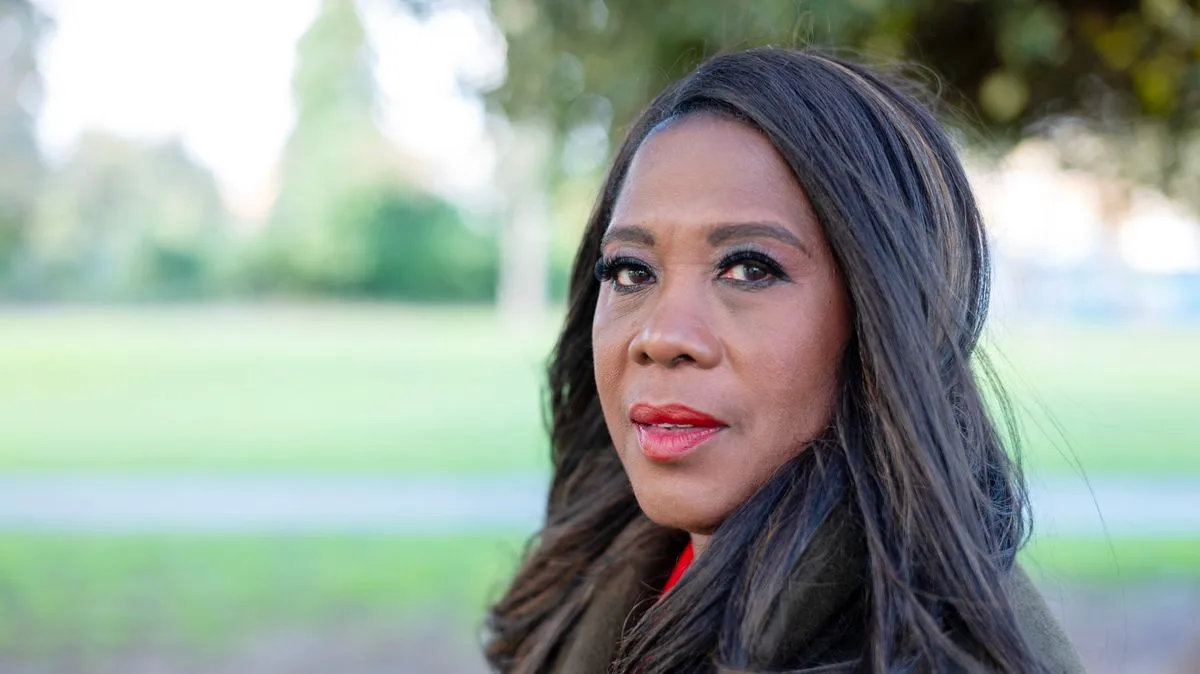
Olympic Champion Tessa Sanderson Reveals Decades-Long Hearing Loss Struggle
Tessa Sanderson Opens Up About Hearing Loss Battle

Olympic Legend Tessa Sanderson Reveals Decades-Long Hearing Loss Battle

British Olympic icon Tessa Sanderson has exclusively disclosed her private struggle with progressive hearing loss, which began over two decades ago and profoundly affected her confidence and professional life. The gold medal-winning javelin thrower, who remains the only British athlete to ever win Olympic gold in a throwing event, described how "pretending to understand" conversations became a daily reality that shook her self-assurance.

The Silent Struggle of a Public Figure

Tessa Sanderson, now 70, first noticed her hearing deteriorating from 2001 onward. "I began to struggle with conversations and I hoped I had responded correctly to what was said," she revealed. "I was desperate not to be caught out. I became embarrassed and far less confident. That was totally alien to me."

Despite her prominent roles as a sports broadcaster for TalkSport and BBC Radio 5 Live, motivational speaker, and ambassador, Sanderson masked her condition for years. "I'd be talking to an audience on stage wanting to talk to people in the audience but I became scared to do that," she admitted. "My confidence was rocked."

Wide Pickt banner — collaborative shopping lists app for Telegram, phone mockup with grocery list

Failed Solutions and Renewed Hope

In 2016, Sanderson was fitted with hearing aids for both ears, but the initial experience proved disappointing. "I was still struggling with conversations," she explained. "I was having to work so hard just to do my job properly and I became anxious and self-conscious, worried people could tell I didn't understand them."

The situation became particularly challenging during public events. "At big events with crowds, I could barely hear the questions I was being asked. I was terrified I'd ignore someone or freeze on stage," Sanderson recalled. "It took a real toll. The more challenging it got, the harder it was to maintain my confidence."

A Champion's Perseverance

True to her Olympic spirit, Sanderson refused to surrender to her hearing challenges. After nearly abandoning her hearing aids altogether—often storing them in drawers—she sought new solutions with proper follow-up support. "Eventually, I considered giving them up completely," she said. "But as an Olympian, I never quit so I decided to try something else."

The breakthrough came with properly adjusted, personalized hearing aids. "They've been life-changing," Sanderson declared. "They're perfectly personalised for me and my hearing is so much better. I feel happy, confident and completely able to cope with my busy working life again. No more missing conversations or pretending to understand."

Broader Implications and Expert Advice

Sanderson's experience reflects a common challenge among hearing aid users in the United Kingdom. With three million hearing aid users nationally, polling indicates approximately half "never" or "only sometimes" wear their devices. Medical experts warn that unsupported hearing loss increases risks of isolation, anxiety, and cognitive decline.

TV doctor Hilary Jones emphasized: "Good hearing is essential for staying connected, confident and active. Those first days with a hearing aid can feel overwhelming, especially when you suddenly hear sounds you haven't heard clearly for years. That's normal. Your brain needs time, and consistent wear, to adjust."

Practical Guidance for Hearing Aid Users

Laura Ewen, director at the British Society of Hearing Aid Audiologists, offers crucial advice for those struggling with hearing aids:

Pickt after-article banner — collaborative shopping lists app with family illustration
  1. Establish clear hearing goals – whether hearing television programs more clearly or understanding grandchildren at family gatherings
  2. Practice patience – your brain requires time to relearn sound processing
  3. Wear hearing aids regularly – consistent use accelerates adaptation
  4. Notice new sounds – everyday noises like birdsong or rustling paper may initially distract but become familiar
  5. Attend follow-up appointments – hearing aids have adjustable settings that require fine-tuning

Sanderson now actively promotes hearing health awareness through Hidden Hearing's "Fitted Isn't Finished" campaign, a free online resource offering guidance for hearing aid users. Her message to others facing similar challenges is unequivocal: "Don't withdraw" and persevere with proper support.

The Olympic champion, who lives in east London with her husband Densign White and their adopted twins, continues her work as a motivational speaker and youth sports advocate through her foundation, now equipped with renewed confidence and hearing clarity.




