

New research from Harvard University indicates that testosterone replacement therapy (TRT) can deliver swift and lasting enhancements to men's sexual function, energy, and overall mood. The study offers some of the strongest evidence yet for the treatment's effectiveness across a broad population.
Significant Improvements Across Key Life Measures
Scientists analysed data from more than 9,500 men with clinically low testosterone who underwent TRT. Their findings, published in The World Journal of Men's Health, revealed substantial gains in every quality-of-life metric examined.
These included marked improvements in energy, physical strength and endurance, erection strength, work performance, sporting ability, and overall happiness and enjoyment of life. Notably, men began to notice benefits as early as two months after commencing treatment, with results consistent regardless of their starting hormone levels.

The Silent Epidemic of Low Testosterone
Testosterone, the primary male sex hormone, regulates critical functions from libido and muscle mass to concentration and emotional well-being. Millions of men in the UK are estimated to live with sub-optimal levels, a condition often undiagnosed as its symptoms mimic stress or depression.
Common signs include persistent fatigue, low mood, weight gain, reduced sex drive, erectile dysfunction, poor concentration, and sleep disturbances. The NHS notes that some men may develop depression in their late 40s as levels naturally begin to decline.
Rising obesity is a major contributing factor, as excess fat converts testosterone into oestrogen. Research suggests men's testosterone levels drop by roughly 1% per year from their 30s onwards. While this gradual decline is normal, severely low levels are linked to increased risks of heart disease, osteoporosis, infertility, and a 40% higher risk of early death.
A Call for Personalised Treatment Approaches
Dr Jeff Foster, a study co-author and director of men's health at digital TRT provider Voy, stated the results provide a clear picture of the therapy's performance. He emphasised the findings 'reinforce the importance' of treating the individual, not just the blood test numbers.
'Treatment guidelines should take into account a man's age and symptom severity alongside their specific testosterone profile to ensure the best possible results and minimise misuse,' Dr Foster advised.
Dr Abraham Morgentaler, a leading testosterone researcher at Harvard, added: 'This study provides confirmation of something important that clinicians have been aware of for at least 20 years: testosterone-deficient men benefit substantially from TRT, including their enjoyment of life.'
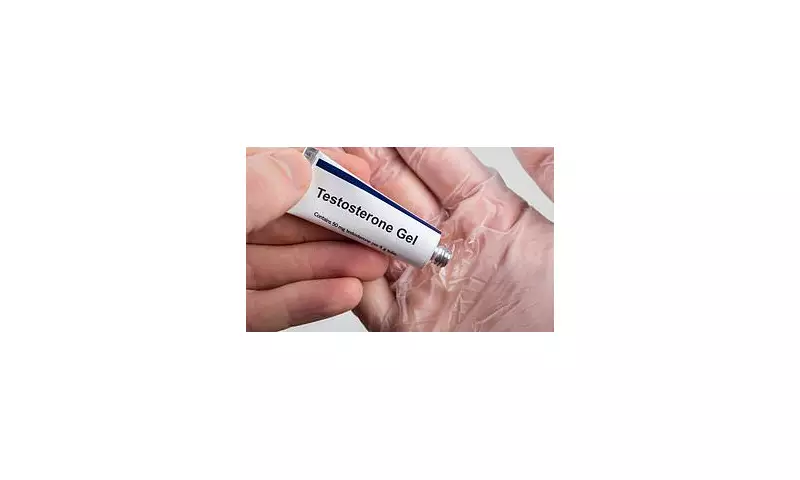
Celebrities like former Take That star Robbie Williams and Happy Mondays' Shaun Ryder have publicly credited TRT with reviving their libido and energy. Diagnosis typically involves a blood test, with 'normal' levels ranging from 8 to 31 nanomoles per litre. Treatment, if deemed necessary by a specialist, usually involves gels or injections.
Natural Boosts and Cautions Against Misuse
Experts caution that not all cases require medical intervention. Lifestyle changes can significantly elevate hormone levels naturally. These include weight loss, high-intensity exercise, a diet rich in healthy fats, stress reduction, and ensuring adequate sleep—men consistently sleeping under five hours can see a 15% drop in testosterone.
There are also serious concerns about healthy men seeking TRT purely for performance enhancement or physique improvement. This can dangerously suppress the body's natural production, leading to infertility, shrunken testicles, and cardiovascular issues.
Dr David Huang, Voy's director of clinical innovation and study co-author, concluded: 'With so much confusion around testosterone replacement therapy our job is to bring clarity. We’re helping shift clinical guidance towards a more personalised approach where a man’s quality of life should be considered alongside numbers and blood test results.'






