From Ancient Rituals to Modern Medicine: The Heart's Enduring Symbolic Power
Valentine's Day celebrations are saturated with heart-shaped imagery, from chocolates and cards to balloons and even pizzas. However, this organ's significance extends far beyond contemporary romance. Across diverse cultures and centuries, the heart has been revered as the seat of the soul, a source of supernatural energy, and a core vessel of human identity. From ancient Egyptian afterlife beliefs to medieval relics, and from necromantic rituals to modern heart transplants, this vital organ has consistently been at the intersection of scientific inquiry and profound mysticism.
Why Does the Heart Hold Such Deep Symbolism?
While anatomy reveals the heart as a muscular pump controlled by electrical impulses, its historical narrative is far more intricate, woven with threads of rituals, relics, and even dark magic. The human heart is remarkably efficient, beating approximately 100,000 times daily and circulating about 7,500 litres of blood. It is driven by the sinoatrial node, a cluster of pacemaker cells that generate electrical impulses independently of the brain.
Since this intrinsic electrical system does not rely on direct nervous input but is influenced by it, the heart can continue beating briefly even when removed from the body, provided it has adequate oxygen and electrolytes. This uncanny characteristic reinforced superstitions that the heart possessed a life force of its own, explaining why many early cultures viewed it as more than mere muscle.

Beyond the Pump: The Heart's Endocrine Role
To present the heart solely as a pump overlooks its broader biological influences. It functions as an endocrine organ, releasing hormones that regulate blood pressure, fluid balance, and cardiovascular health. The connection between the heart and "love hormones," such as oxytocin, extends beyond metaphor. Research indicates the heart not only responds to oxytocin but may also play a role in its release.
Oxytocin is primarily produced in the brain by the hypothalamus and released from the pituitary gland, flooding the body during moments of affection, trust, and bonding. It serves as the chemical catalyst behind the deep emotional connections that define human relationships. The heart is equipped with oxytocin receptors, and studies demonstrate that the hormone promotes vasodilation, reducing blood pressure and improving circulation. Furthermore, oxytocin may protect the heart, aiding in self-repair and reducing inflammation after injuries like heart attacks.
Historical Misconceptions and Discoveries
The heart's function was not always accurately understood. Ancient Greeks believed it was the seat of intelligence, while Aristotle dismissed the brain as mere "cooling fluid" for the heart's divine fire. Galen, a Greek physician and philosopher during Roman times, described the heart as the body's furnace. William Harvey's 1628 discovery of circulation revolutionised our comprehension of this crucial organ. Despite these scientific advancements, its symbolic and mystical significance never fully diminished.
The Heart as the Seat of the Soul
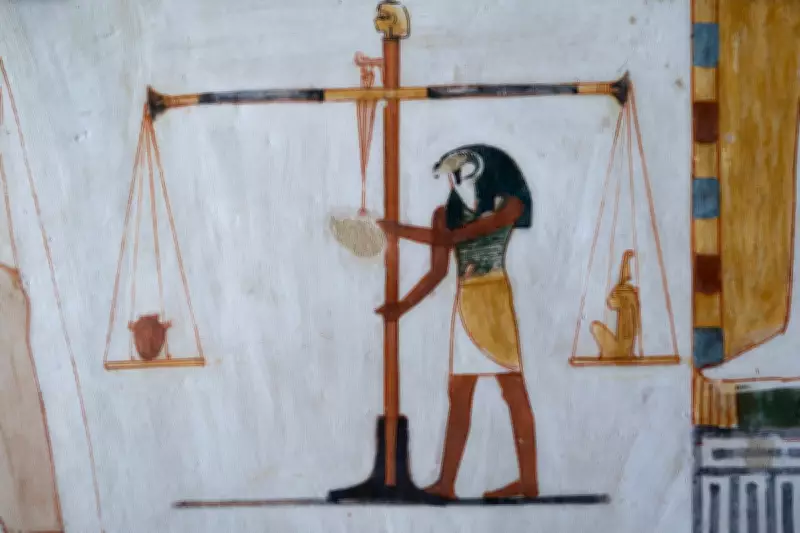
Ancient Egyptians meticulously preserved the heart during mummification, believing it would be weighed by Anubis against the Feather of Truth, the divine measure of justice. Ironically, the brain was discarded as entirely useless. An excerpt from the Book of the Dead, an ancient Egyptian funerary text, reads: "O my heart which I had from my mother! which I had from my mother! O my heart of my different ages! Don't stand up as a witness against me. Do not be opposed to me in the tribunal."
This spell aimed to pacify the heart and assert dominion, ensuring its loyalty during the weighing process. The notion that the heart carried more than blood persisted into the Renaissance, with scholars debating whether it was the true locus of identity. Andreas de Laguna, a Spanish physician, wrote in 1535: "If indeed from the heart alone rise anger or passion, fear, terror, and sadness; if from it alone spring shame, delight, and joy, why should I say more?"

Even in contemporary times, heart transplants provoke questions about whether a transplanted heart carries elements of its donor. Some recipients report changes in personality, memories, or food preferences, sparking speculation about cellular memory. While no definitive scientific basis exists, such cases continue to captivate public and academic interest.
The Heart's Darker Associations
The heart's power was not only revered but also feared. In folk magic and necromancy, people believed that the hearts of executed criminals retained energy from their violent deaths. Some thought consuming, burning, or preserving a heart could grant knowledge or strength. In Scotland and England, reports indicate that people boiled the hearts of murderers to prevent their ghosts from haunting the living.
Dried hearts were sometimes ground into powders for potions, while in occult traditions, they were burned in rituals to banish spirits or bind enemies. More disturbing are accounts involving unbaptised infants' hearts in witchcraft traditions. Some sources claim they were used in hexes, flying ointments, or dark pacts. Although likely exaggerated during witch trials, such stories reflect a deep-rooted belief in the heart as a conduit of supernatural power.
Conclusion: A Symbol Through the Ages
The heart has served as a vessel of the soul, a source of magic, and a point of contention between science and superstition. While modern medicine has demystified much of its function, its symbolism remains deeply ingrained in human culture. This Valentine's Day, as we exchange stylised hearts in celebration of love, it is worth pausing to remember that the heart's power has symbolised life, death, and everything in between for millennia.