

Major Breakthrough in Brain Cancer Research Reveals New Treatment Pathway
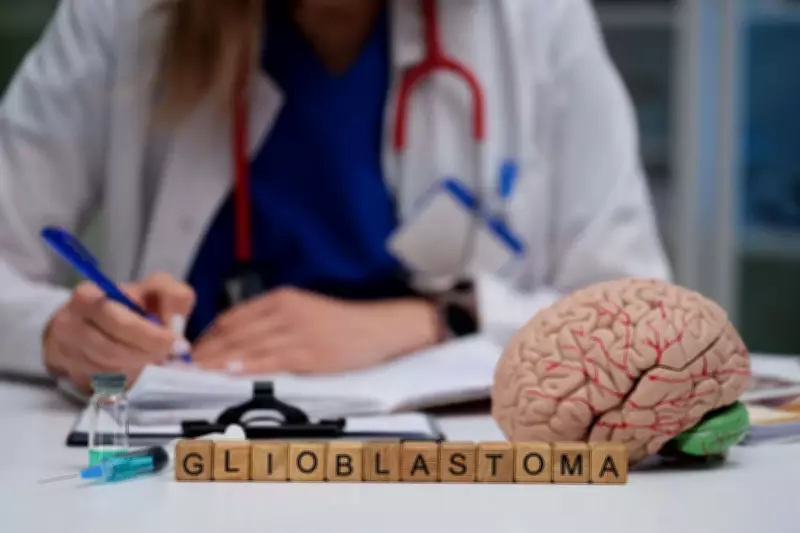
Scientists have made a significant discovery in the fight against glioblastoma, an aggressive and often fatal form of brain cancer. A new study has identified a "hidden vulnerability" within these tumour cells, suggesting that a carefully controlled diet could be combined with existing medications to slow cancer progression effectively.
International Collaboration Uncovers Metabolic Weakness
The groundbreaking research, published in the prestigious journal Science Advances, involved an international team of researchers including experts from the Cancer Research UK Scotland Institute. Their findings indicate that steroid anti-inflammatory drugs dramatically alter how glioblastoma cells process vitamin B3, creating a specific metabolic weakness that can be targeted therapeutically.
This discovery represents a potential paradigm shift in glioblastoma treatment approaches, moving beyond traditional chemotherapy and radiation to more targeted metabolic interventions. The research team demonstrated that by exploiting this newly identified vulnerability, they could effectively starve glioblastoma cells of essential nutrients.

Dietary Intervention Shows Promise in Preclinical Models
The study revealed that when patients are on steroid medications, reducing the amino acid methionine in their diet creates conditions that glioblastoma cells cannot survive. Methionine is an essential amino acid found in various protein-rich foods, and its restriction while on steroid treatment appears to create a hostile environment for cancer cell growth.
"This combination approach of dietary modification with pharmaceutical intervention represents an innovative strategy against one of the most challenging cancers," the researchers noted. In preclinical models, this approach successfully slowed tumour growth, offering hope for future clinical applications.
Case Study: Father's Remarkable Response to Experimental Treatment
The research findings gain particular significance when considering individual cases like that of a father whose aggressive brain cancer reportedly vanished after receiving this novel treatment approach. While individual responses can vary, such outcomes highlight the potential transformative impact of this research on patient outcomes.
The study's implications extend beyond glioblastoma treatment alone, potentially informing approaches to other cancers that share similar metabolic characteristics. Researchers emphasize that while these findings are promising, further clinical trials will be necessary to establish safety and efficacy in human patients.
This discovery comes at a critical time, as glioblastoma remains one of the most difficult cancers to treat, with limited therapeutic options and poor long-term survival rates. The metabolic approach outlined in this research offers a new avenue for investigation that could complement existing treatment modalities.






