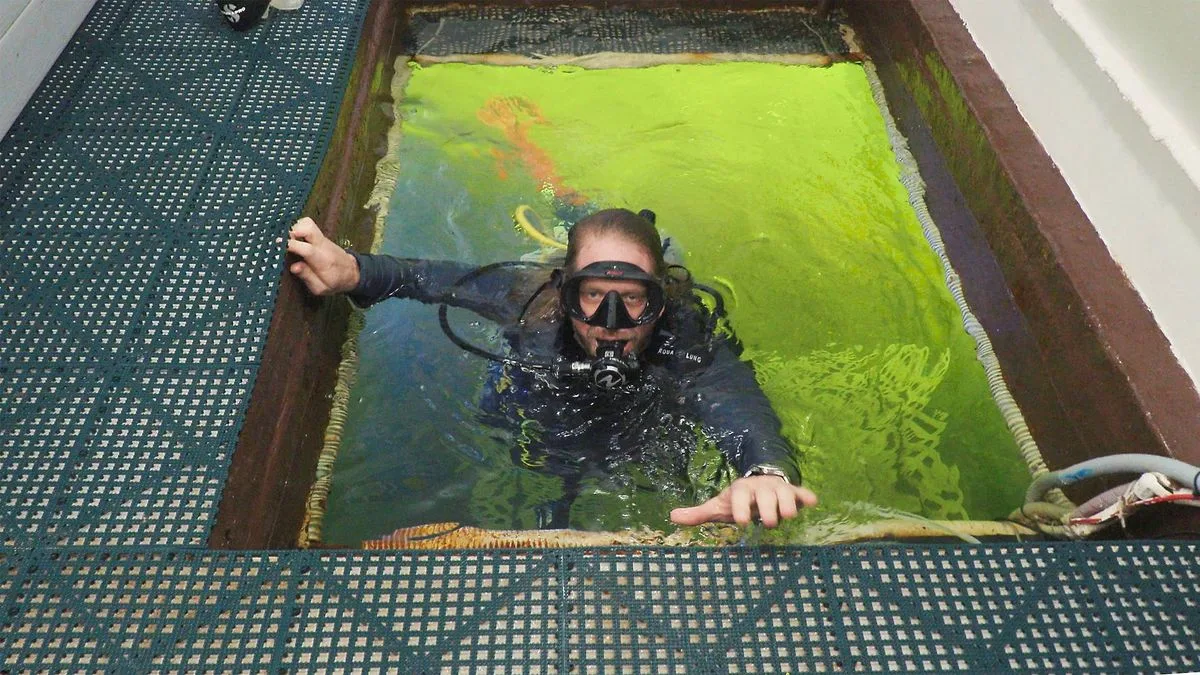
In an extraordinary feat of human endurance and scientific exploration, a retired United States naval officer has emerged from a 93-day stay at the bottom of the Atlantic Ocean appearing a decade younger. Joseph Dituri voluntarily lived in a compact, pressurised pod submerged deep beneath the ocean's surface as part of a groundbreaking study investigating the effects of prolonged underwater habitation on the human body.
Smashing Records and Reversing Time
Dituri's remarkable underwater residence, which spanned more than three full months, comfortably surpassed the previous world record for continuous underwater living, which stood at 73 days. However, the most astonishing outcome was not merely the duration of his stay, but the profound biological transformation he experienced. Upon returning to dry land, comprehensive medical examinations revealed that Dituri had effectively reversed the ageing process, with his body showing markers equivalent to someone ten years younger.
The Science of Ageing Reversal
The key to this transformation lies in Dituri's telomeres. These are the protective caps at the ends of chromosomes that safeguard our DNA; they naturally shorten as we age, contributing to cellular decline. Astonishingly, after his 93-day underwater mission, Dituri's telomeres were measured to be 20 per cent longer than they were before his descent. This significant elongation is a strong indicator of cellular rejuvenation and reversed ageing.
Furthermore, his stem cell count—cells crucial for repair and regeneration in the body—had increased tenfold. This surge is particularly notable as stem cells are heavily researched for their potential to combat visible signs of ageing and promote overall vitality.
Comprehensive Health Improvements
The benefits extended far beyond cellular metrics. Dituri reported a substantial enhancement in sleep quality, with 60 to 66 per cent of his nights now spent in deep, restorative REM sleep—a dramatic improvement from his pre-dive patterns. His cholesterol levels dropped by an impressive 72 points, and markers of inflammation in his body were reduced by half.
Despite having only minimal exercise equipment, primarily resistance bands, Dituri maintained a rigorous fitness regimen, working out for an hour, five days a week. This routine allowed him to preserve his muscle mass and even achieve a trimmer, more efficient metabolism during his time in the pressurised environment.
The Role of Pressure and Hyperbaric Medicine
Experts attribute these widespread health improvements to the effects of living under sustained pressure. The conditions mimic those found in hyperbaric oxygen therapy chambers, which are known to enhance brain function, improve cognitive performance, and promote healing. Dituri's extended stay provided a unique, long-term observation of how the human body adapts and thrives in such a pressurised setting.
In an interview, Dituri highlighted the promising therapeutic applications of this environment. He suggested that specially designed, isolated underwater facilities could serve as rejuvenating retreats. "You need one of these places that is cut off from outside activity," he explained. "Send people down here for a two-week vacation, where they get their feet scrubbed, relax and can experience the benefit of hyperbaric medicine."
A New Frontier in Wellness Research
This pioneering study not only sets a new benchmark for underwater habitation but also opens exciting avenues for hyperbaric and preventative medicine. The dramatic improvements in Dituri's telomere length, stem cell count, sleep architecture, cholesterol, and inflammation levels present a compelling case for further research into pressurised living environments as a tool for health optimisation and age-related intervention.
Joseph Dituri's 93-day journey into the deep Atlantic has therefore yielded more than a world record; it has provided groundbreaking insights into human biology, offering a tantalising glimpse of how controlled environmental pressure might one day be harnessed to improve health, wellbeing, and longevity on a broader scale.