

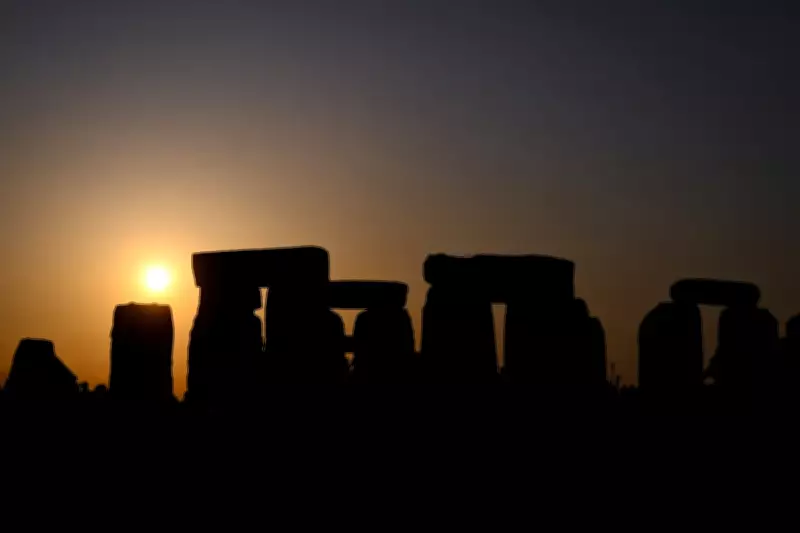
Ancient DNA Rewrites History of Stonehenge Builders' Mysterious Replacements
Archaeologists have made a groundbreaking discovery that fundamentally reshapes our understanding of one of Britain's most profound ancient population shifts. A comprehensive new study has finally uncovered the mysterious origins of the Bell Beaker people, the enigmatic migrants who completely replaced the Neolithic builders of Stonehenge within a single century around 2400BC.
Challenging Previous Assumptions
Previous research had strongly suggested that the Bell Beaker culture, named for their distinctive pottery vessels, originated primarily from the Iberian Peninsula, encompassing modern-day Spain and Portugal. This theory proposed a single-point origin from which these people spread across Europe. However, the latest genetic analysis published in the prestigious journal Nature presents a far more complex and fascinating narrative.
Scientists conducted extensive DNA analysis on 112 ancient individuals who lived across the Netherlands, Belgium, and western Germany between 8500BC and 1700BC. This comprehensive genetic investigation has revealed that the Bell Beaker population actually formed through multiple ancestral groups mixing together, primarily in the lower Rhine–Meuse wetland region.

The Genetic Melting Pot
The research demonstrates that a distinctive population with high hunter-gatherer ancestry, living in the Rhine-Meuse wetlands, began mixing with people associated with Bell Beaker culture around 2500BC. This crucial genetic blending occurred before steppe-related migrants joined the population mix approximately 3000BC. The resulting hybrid population then expanded dramatically into northwest Europe, carrying their distinctive cultural practices with them.
"Ancient DNA studies often bring to light unexpected pages of our past," remarked study author Maria Pala from the University of Huddersfield. "It's a testament to the power of ancient DNA studies that findings like these can still surprise us."
The Dramatic British Replacement
When these Bell Beaker-associated groups eventually reached Britain, they triggered what scientists describe as "a 90–100 per cent replacement of local Neolithic ancestry" – an astonishingly complete population turnover within archaeological timescales. The existing Neolithic farmers who had constructed Stonehenge were almost entirely replaced within a century.
Researchers suspect this dramatic replacement may have been accelerated by disease, possibly plague, to which continental Europeans had developed some immunity but British populations remained vulnerable. Despite replacing the builders, the Bell Beaker people continued using existing monuments like Stonehenge and Avebury, while introducing revolutionary new technologies to Britain including:
- Advanced metalworking techniques
- Archery and associated weaponry
- Their distinctive pottery styles that give the culture its name
This research fundamentally alters our understanding of European prehistory, demonstrating that major cultural shifts were driven by complex population mixtures rather than simple migrations from single points of origin. The Bell Beaker phenomenon represents one of the most significant demographic transformations in ancient European history, with consequences that reshaped British society for millennia to come.






