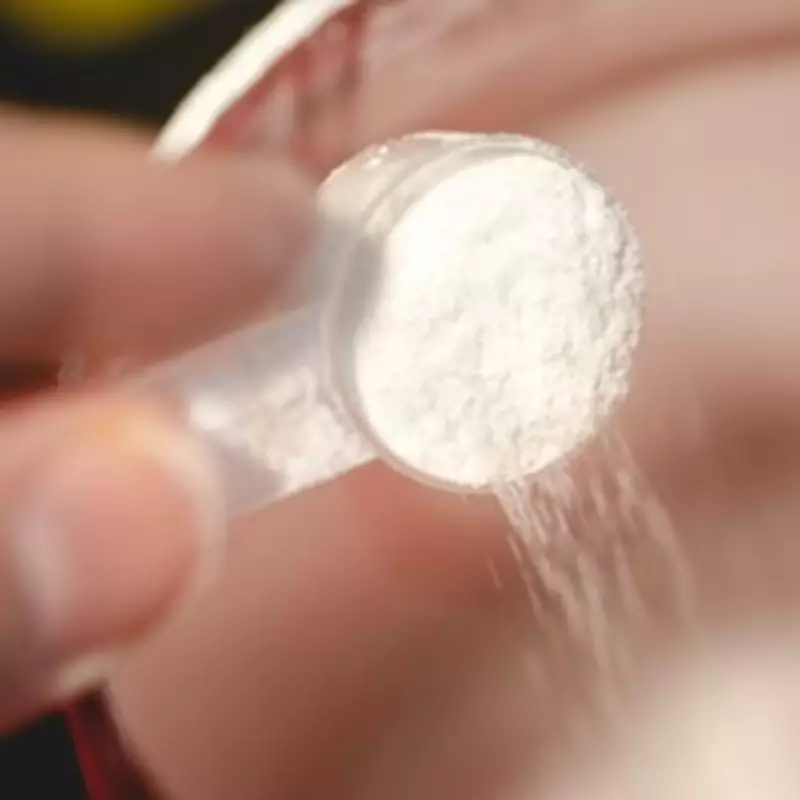
Gym Supplement Creatine Hailed as Potential Alzheimer's Treatment Breakthrough
Creatine, a food supplement widely associated with bodybuilding and athletic performance, is now emerging as a promising candidate in the fight against Alzheimer's disease, according to recent scientific research and expert endorsements. This development offers fresh hope for the millions affected by this debilitating condition worldwide.
Expert Advocacy on High-Profile Podcast
Neurophysiologist and human performance coach Louisa Nichola championed the benefits of creatine during her appearance on The Diary of a CEO podcast with host Steven Bartlett in early February 2026. She expressed strong belief in its potential, stating it has "so much benefit" and personally administers it to her 71-year-old parents to support both their physical and neurophysiological wellbeing.
Understanding Creatine and Its Mechanisms
Creatine is a naturally occurring molecule produced in the liver and found in foods such as red meat and fish. Supplementation can elevate stores beyond typical dietary levels, enhancing cellular energy by increasing phosphocreatine. This process aids in regenerating ATP, the body's primary energy molecule, benefiting both muscle and brain cells.

While celebrated for muscle performance, creatine also raises brain creatine levels by up to 15 percent and may improve cognitive function, particularly under stressful conditions, as noted by health authorities.
Promising Results from Pilot Study
An eight-week pilot study, published in Alzheimer's & Dementia: Translational Research & Clinical Interventions in May 2025, investigated creatine's effects on Alzheimer's patients. Participants consumed 20 grams of creatine monohydrate daily, resulting in an 11 percent increase in total brain creatine levels.
This biochemical change was linked to noticeable enhancements in cognitive functions, including:
- Working memory
- Attention
- Executive functioning
Participants showed improved performance on cognitive assessments, such as sorting and reading tasks, following supplementation. Nichola highlighted that "these patients not only preserved their cognitive functions, but they had more energy, and they were able to exercise more."
Potential Protective Benefits
Researchers emphasized high compliance and significant biochemical changes, suggesting creatine might support brain energy metabolism, often compromised in Alzheimer's. Nichola further noted its protective potential, stating it "can protect your brain against a concussion, it can protect your brain against a stroke, and it can protect your brain from stress."
Cautious Optimism and Research Insights
Despite promising findings, experts caution that research is still in early stages. Medical professionals advise that there isn't sufficient evidence to recommend creatine for outright prevention of dementia or cognitive decline at this time.
Research from PubMed indicates creatine helps maintain energy balance in neurons, potentially reducing neuroinflammation and oxidative stress, both crucial factors in Alzheimer's pathology.
Future Implications and Considerations
While creatine isn't a substitute for approved Alzheimer's treatments, mounting evidence suggests this affordable supplement could bolster brain health and may eventually become part of broader therapeutic approaches. The combination of scientific study and expert advocacy positions creatine as a noteworthy subject in ongoing Alzheimer's research, warranting further investigation into its long-term benefits and applications.