

Chernobyl Workers' Children Inherit Genetic Mutations from Radiation Exposure
Four decades after the catastrophic Chernobyl nuclear power plant disaster, the children of workers involved in the cleanup are still grappling with the genetic fallout. Until recently, scientists remained uncertain whether offspring of individuals exposed to radiation would inherit genetic damage from their parents. However, a pivotal study from the University of Bonn has now demonstrated that children of Chernobyl cleanup workers exhibit an elevated number of mutations in their DNA.
Clustered Mutations Reveal Genetic Impact
Instead of examining all new DNA mutations, the researchers focused on 'clustered de novo mutations' (cDNMs). These occur when two or more mutations, absent in the parent's DNA, cluster together, indicating that the DNA strand has been fractured and inadequately repaired. The study involved sequencing the genomes of 130 children of Chernobyl workers, 110 children of German military radar operators exposed to stray radiation, and 1,275 individuals from the general population.
On average, children whose parents participated in the Chernobyl cleanup had 2.65 cDNMs, while those of radar operators had 1.48. In stark contrast, children whose parents had not been exposed to radiation displayed only 0.88 cDNMs per person. The parents included inhabitants of Pripyat at the time of the accident or liquidators tasked with guarding or cleaning the site.

Direct Link Between Exposure and Mutations
Critically, the research uncovered a direct correlation between the intensity of parental radiation exposure and the number of mutations in their children. The scientists caution that these figures might be slightly inflated due to statistical noise and a relatively small sample size, but the difference remained significant even after adjusting for these factors. In their paper, published in the journal Scientific Reports, the researchers stated: 'We found a significant increase in the cDNM count in offspring of irradiated parents, and a potential association between the dose estimations and the number of cDNMs in the respective offspring.'
This study marks the first evidence of a transgenerational effect from prolonged paternal exposure to low-dose ionising radiation on the human genome. When ionising radiation from the nuclear reactor impacted the parents' bodies, it generated reactive oxygen species—highly reactive, unstable oxygen-containing molecules capable of damaging DNA chains. These molecules harmed the DNA within developing sperm cells, resulting in clusters of mutations that were subsequently passed down to offspring.
Low Disease Risk Despite Mutations
Fortunately, the researchers determined that the risk of disease stemming from these mutations is exceedingly low. The cDNMs identified in the children were located in 'non-coding' regions of their DNA, as opposed to 'coding' areas responsible for protein production. This means they do not induce harmful effects, and the children of Chernobyl workers face no greater disease risk than the general population.
For context, prior studies have shown that older fathers transmit a higher number of mutations to their children. The researchers noted that paternal age at conception posed a more substantial disease risk than radiation exposure in this study, partly because the parents were exposed to relatively low levels of ionising radiation. Their estimated exposure was approximately 365 milligrays, compared to NASA's career-long limit of 600 milligrays for astronauts.
Background on the Chernobyl Disaster
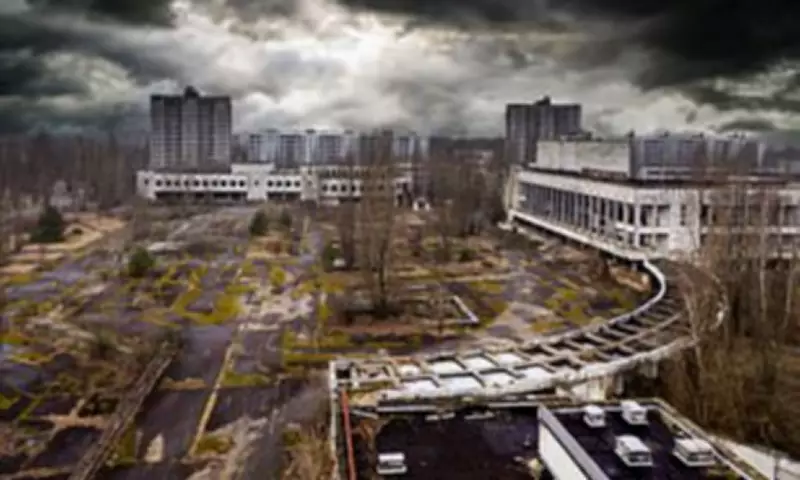
On April 26, 1986, a reactor at the Chernobyl power station near Pripyat caught fire and exploded, dispersing radioactive material across the surrounding area. Over 160,000 residents were evacuated and have been unable to return, leaving the site as a radioactive ghost town. The exclusion zone, encompassing parts of Ukraine and Belarus, will remain in effect for generations until radiation levels diminish to safe thresholds. Despite being labelled a 'dead zone,' wildlife has proliferated, sparking debates about transforming the area into a radioactive protected wildlife reserve.






