Bronze Age Chinese Secret to Red Rice Wine Brewing Uncovered by Archaeologists
Bronze Age Chinese Red Rice Wine Secret Uncovered

Archaeologists have cracked the ancient recipe for a ceremonial red rice wine, brewed and consumed by a Bronze Age society in northwest China over three millennia ago.

The Ancient Brewing Method Revealed

Analysis of pottery vessels unearthed at a burial site in China's Gansu province has provided definitive evidence of the qu fermentation method. This technique, which originated in Neolithic eastern China, used a brick-like starter culture teeming with microbes, including Aspergillus mould, yeast, and bacteria. By the Bronze Age, this advanced brewing knowledge had spread to the northeastern edge of the Tibetan Plateau.

The research, published in the Journal of Archaeological Science Reports, confirms that the Mogou people used this method between 1700 and 1100 BC. While it was known they consumed rice wine ceremonially, physical proof had been exceptionally rare until now.

Pottery Vessels Hold the Key

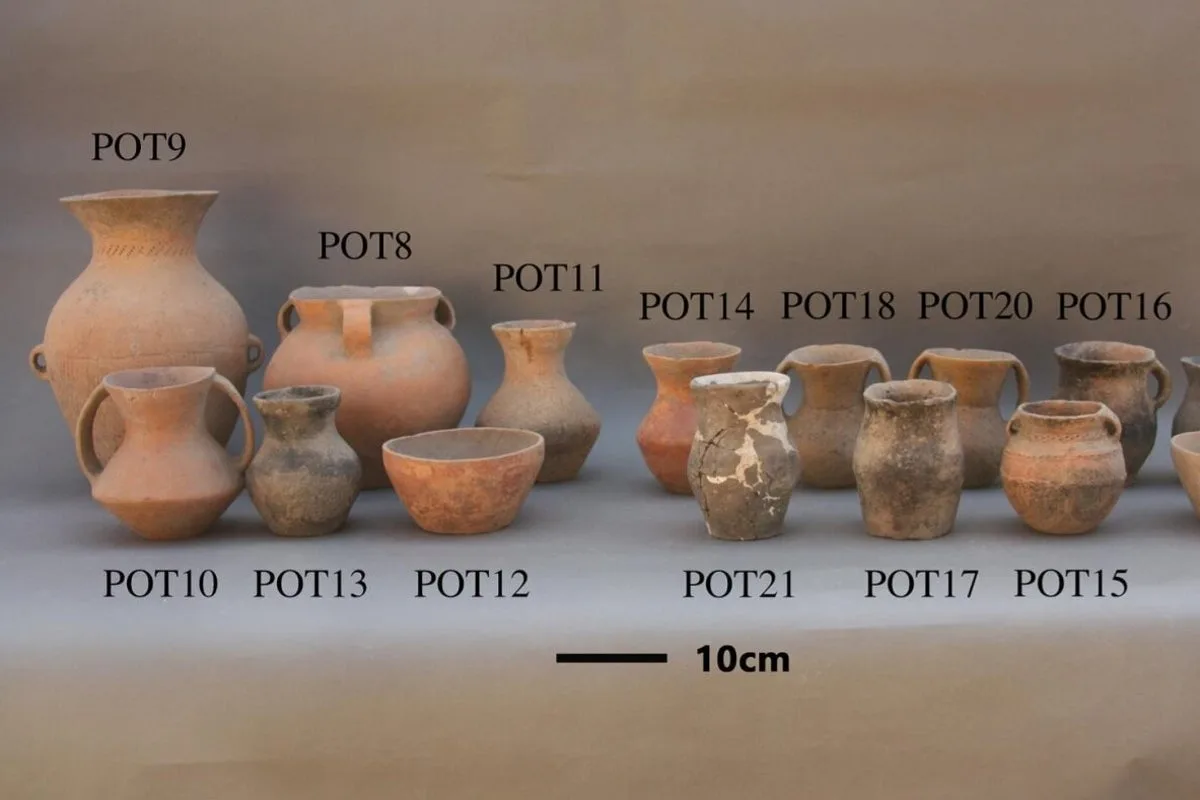
The breakthrough came from studying residues inside approximately 42 pottery vessels discovered in side chambers of tombs at the Mogou site. These chambers, situated at varying depths within burial walls, held ceramic objects placed above the heads of the interred.

This unique preservation gave scientists a rare snapshot of ancient mortuary practices. The residues revealed a diverse mix of plant foods, including:

  • Rice
  • Millet
  • Job's tears
  • Buckwheat
  • Plants from the Triticeae family, such as barley and wheat

Critically, starch residues showed clear signs of enzyme action, confirming the fermentation process central to the qu brewing technique.

A Significant Role in Mortuary Rituals

The findings span two significant cultural periods: the Qijia culture (2300-1500 BC) and the subsequent Siwa culture (1400-1100 BC). This indicates the tradition persisted across cultural transitions.

Researchers concluded that the Mogou people prepared their fermentation starter primarily with rice and Monascus mould, the latter responsible for giving the beverage its distinctive red colour. The resulting qu-based drink, made from a variety of cereals, was not a daily staple but held profound ritual importance.

This alcoholic beverage played a significant role in their mortuary practices, the study authors emphasised. The placement of the wine vessels in tombs underscores the drink's ceremonial value in honouring the dead.

The discovery helps fill a gap in the historical record, providing concrete evidence of fermented beverage use in early Bronze Age cultures, beyond the more widely studied Neolithic period.