9,500-Year-Old Cremation Mystery in Malawi Baffles Archaeologists
Archaeologists puzzled by 9,500-year-old cremation

Archaeologists have been left stunned by the discovery of the world's earliest known intentional cremation of an adult, a meticulously planned event carried out 9,500 years ago in what is now Malawi. The find fundamentally challenges long-held assumptions about the complexity of ancient hunter-gatherer societies and their funeral practices.

A Fortuitous Find in a Granite Shelter

The remarkable remains were unearthed at the Hora 1 archaeological site, tucked at the base of a granite hill in Malawi. Researchers discovered a prehistoric ash deposit, about the size of a queen bed, containing the fragmented bones of a woman who stood just under five feet tall.

Dr Jessica Thompson, an archaeologist from Yale University, explained the site's exceptional preservation. "The ash was cemented," she said. This hardening, caused by soil moisture, not only made excavation difficult but also created a barrier that prevented termites from destroying the ancient bones. "It was a very interesting, fortunate set of preservation," Dr Thompson noted.

An Unprecedented and Laborious Ritual

Until this discovery, the oldest confirmed deliberate cremations involving a built pyre dated back only around 3,300 years. The Malawi cremation is therefore more than 6,000 years older, pushing back the timeline for such complex mortuary behaviour dramatically.

Anthropologist Dr Jessica Cerezo-Román from the University of Oklahoma called the treatment "very unusual" for the period. "We don't find a lot of burned bodies from this time period, so it's pretty shocking," she stated.

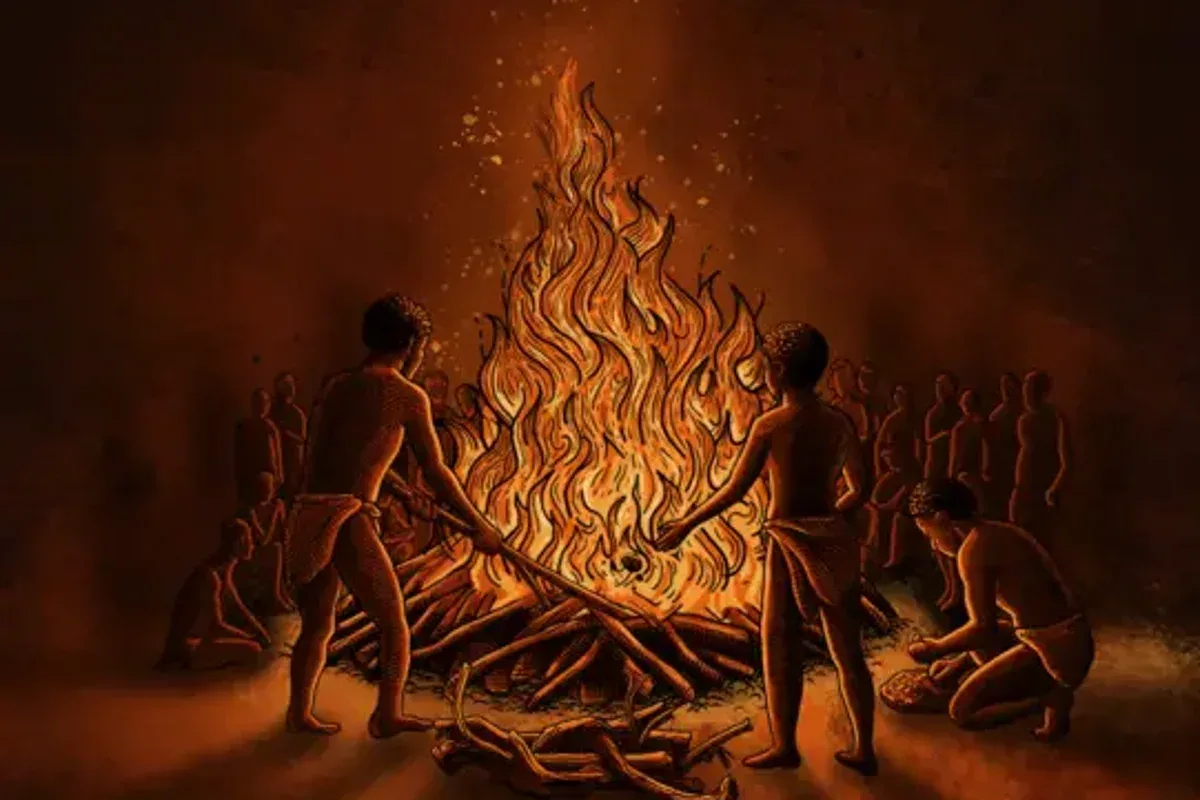
The effort involved was substantial. Analysis suggests building the pyre required collecting at least 30 kg of deadwood and grass, indicating a significant communal labour investment. The resulting blaze likely exceeded temperatures of 500°C.

The Enduring Mystery of the Chosen Individual

The central puzzle captivating researchers is why this one woman received such extraordinary treatment. At the time, the local hunter-gatherers typically buried their dead. Marks on her remains show her body was carefully cremated before decomposition, likely within days of death, and may have been manipulated beforehand.

"Why this person? Was she significant in life or in death? We don't know that yet," Dr Cerezo-Román pondered. Dr Thompson echoed the mystery: "Why was this one woman cremated when the other burials at the site were not treated that way? There must have been something specific about her that warranted special treatment."

The site reveals that the community revisited the location long after the cremation, building more large fires—a sign they maintained a shared memory of the event and the individual. This points to sophisticated social memory and possibly ancestral veneration practices far earlier than previously documented for such societies.

The study, published in Science Advances, concludes that these elaborate, communal mortuary practices in tropical Africa predate the advent of agriculture. They force a re-evaluation of the scale of cooperation and ritual complexity possible within early hunter-gatherer communities, painting a richer picture of our ancient human ancestors.




