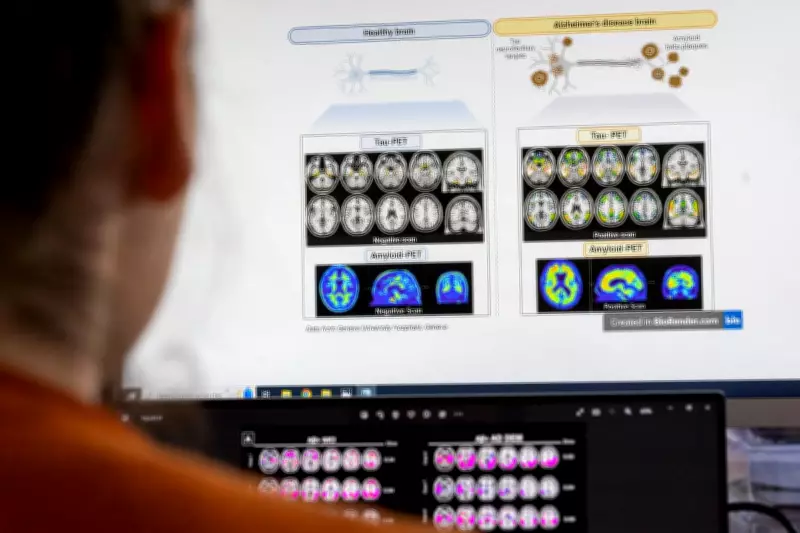
Scientists have made a significant breakthrough in the fight against Alzheimer's disease, with a new artificial intelligence system demonstrating the ability to predict this common form of dementia with close to 93 percent accuracy. The research, conducted by a team at Worcester Polytechnic Institute, analyzed over 800 brain scans to identify subtle anatomical changes that signal the onset of Alzheimer's.
Early Detection Offers Hope for Patients
This advanced AI technology provides a powerful tool for early diagnosis, which could grant patients and doctors crucial additional time to prepare and potentially slow the disease's progression. By detecting Alzheimer's in its initial stages, medical professionals can implement interventions sooner, improving quality of life and management strategies for those affected.
Key Predictive Factors Identified
The AI system pinpointed brain volume loss in critical memory-forming regions as a primary predictive factor. Specifically, shrinkage in the hippocampus, amygdala, and entorhinal cortex were strong indicators of developing Alzheimer's. These areas are essential for memory processing and cognitive function, making their deterioration a key marker for the disease.

Sex Differences in Brain Shrinkage Patterns
Interestingly, the study also revealed that brain shrinkage patterns differ significantly between sexes. Distinct areas of the brain are affected in females and males, with researchers suggesting that hormonal changes may play a role in these variations. This finding underscores the importance of personalized medicine approaches in treating and understanding Alzheimer's disease.
Implications for Future Treatment and Research
The development of this AI system marks a pivotal moment in dementia research. With its high accuracy rate, the technology could revolutionize how Alzheimer's is diagnosed and monitored. Future applications may include routine screening for at-risk populations, enabling earlier and more effective treatment plans.
Moreover, the integration of blood test data with brain scan analysis enhances the predictive power of the AI, offering a non-invasive and accessible method for early detection. As research continues, these insights could lead to new therapeutic targets and improved outcomes for millions worldwide facing Alzheimer's disease.