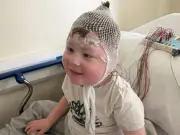
Boy, 5, Diagnosed with Rare Genetic Condition BPAN
Bertie Napier Roberts, a five-year-old from Kent, was diagnosed with BPAN, a rare neurodegenerative disorder, after his parents noticed he wasn't meeting developmental milestones.


Bertie Napier Roberts, a five-year-old from Kent, was diagnosed with BPAN, a rare neurodegenerative disorder, after his parents noticed he wasn't meeting developmental milestones.

The Soyuz 11 crew died in space due to cabin depressurization, yet their spacecraft made a flawless automated landing on Earth. The tragedy remains a haunting chapter in space exploration history.

New research confirms 'dad brain' exists: men's brains shrink after childbirth, but this helps them bond better. Plus, women prefer dad bods to six-packs, says psychologist Darby Saxbe.

Tutankhamun's tomb in Luxor faces collapse risk from ancient cracks, humidity, and fungal damage, warns new study.

Shared lists with real-time sync. No signup needed — just open and shop together.
Recommended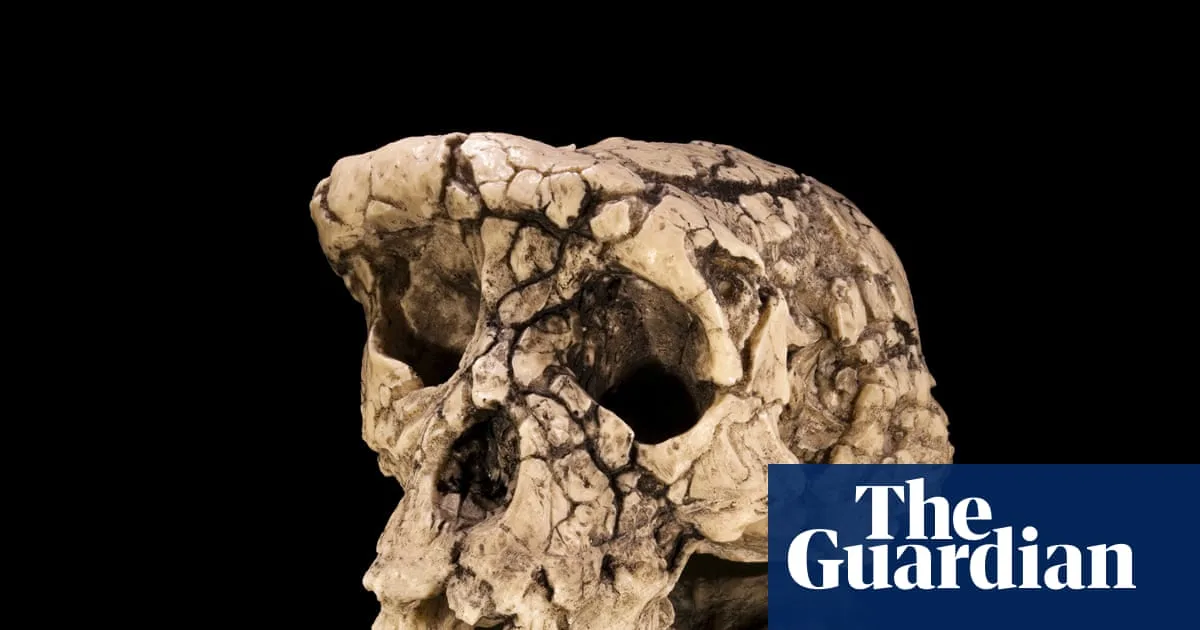
The 2001 discovery of the Toumaï skull in Chad sparked a bitter scientific feud over whether it is the oldest hominid, with disputes over bipedalism and origins.

The historic alignment of true, magnetic and grid north leaves England at Berwick-upon-Tweed today, not to return for centuries.

A well-preserved 4th-century Byzantine city has been discovered in Egypt's Dakhla oasis, revealing residential, religious, and economic structures, including a basilica, coins, and ostraca.
The endangered British swallowtail butterfly has been a distinct subspecies for at least 200,000 years, according to a new genetic study, transforming conservation approaches.
Prof Simon Baron-Cohen regrets his 'extreme male brain' theory label as unhelpful, citing myths about empathy. He will oversee a new £26m autism research centre at Cambridge, funded by US philanthropist Lisa Yang, focusing on health outcomes and community
Shared lists with real-time sync. No signup needed — just open and shop together.
Recommended
Internal reports reveal APHA Weybridge staff exposed to tuberculosis, formaldehyde, and Brucella canis between 2021-2025, with nine hospitalized after one incident.

The University of Lincoln has built a crime scene house featuring 18 iconic TV and film scenes to attract students to forensic science, as the UK faces a shortage of 5,000 detectives and a backlog of 20,000 digital devices.

England boss Thomas Tuchel has rejected claims that his team will use Viagra to combat altitude at the Azteca Stadium ahead of their World Cup match against Mexico, despite the drug not being banned by WADA.

Dolly the sheep, the first mammal cloned from adult DNA, was born 30 years ago. Her legacy includes stem cell breakthroughs, ethical debates, and commercial pet cloning.
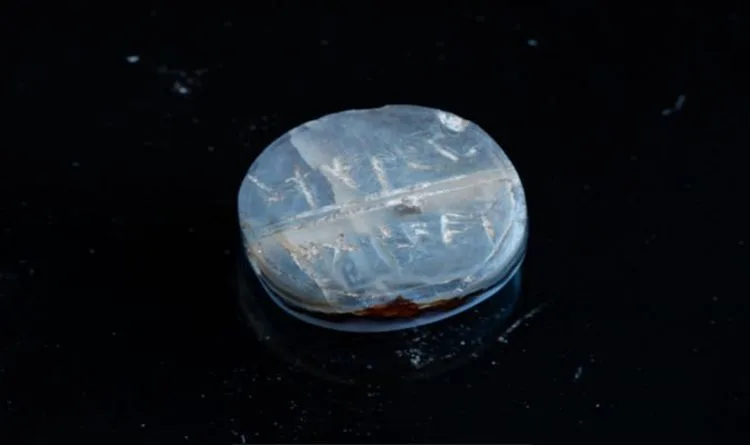
Two ancient seals found in Jerusalem's City of David bear names of biblical figures, confirming scriptural accounts from the 7th century BC.
Shared lists with real-time sync. No signup needed — just open and shop together.
Recommended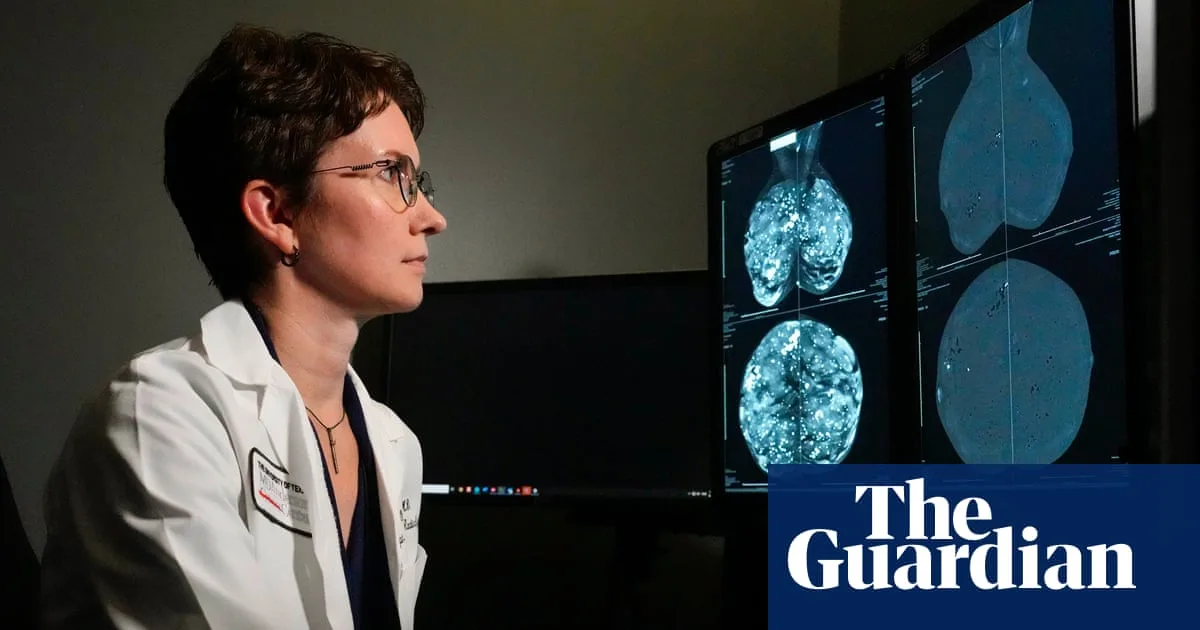
International trial shows genomic test can identify breast cancer patients who can safely skip chemotherapy, sparing them toxic side-effects.

Theo Sulaiman, born with X-linked Myotubular Myopathy, requires 24-hour care. His family fights for awareness and research funding after doctors warned he may not survive 18 months.

Over 1.5 million PIP claims are linked to mental health. The DWP has published a list of 46 conditions that may qualify for up to £187 weekly. Mixed anxiety and depressive disorders top the list with 435,330 claims.

Mark Labbett, known as The Beast, reveals he had to walk around during flights to avoid DVT while filming The Chase Around the World. He also discusses weight loss and travel discomfort.
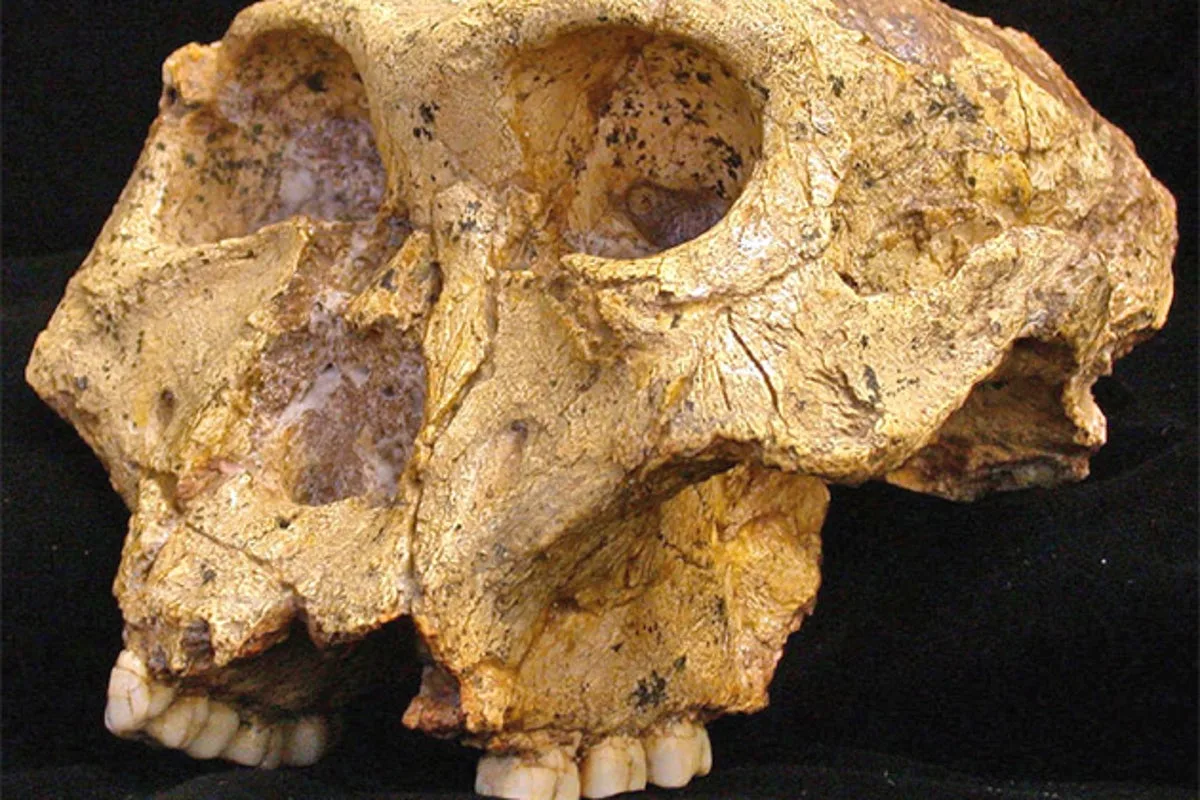
Ancient proteins from 2-million-year-old teeth reveal sex and genetic diversity in Paranthropus robustus, reshaping understanding of human evolution.
Shared lists with real-time sync. No signup needed — just open and shop together.
Recommended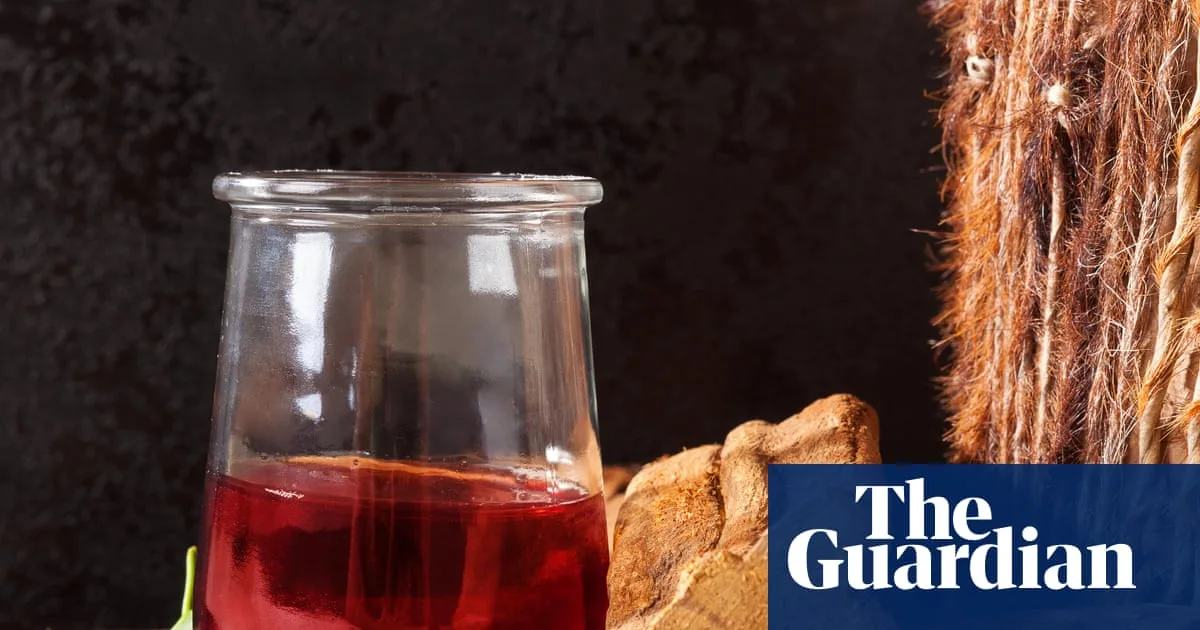
A single dose of DMT combined with psychotherapy shows rapid and lasting antidepressant effects in a small trial, offering hope for treatment-resistant depression.
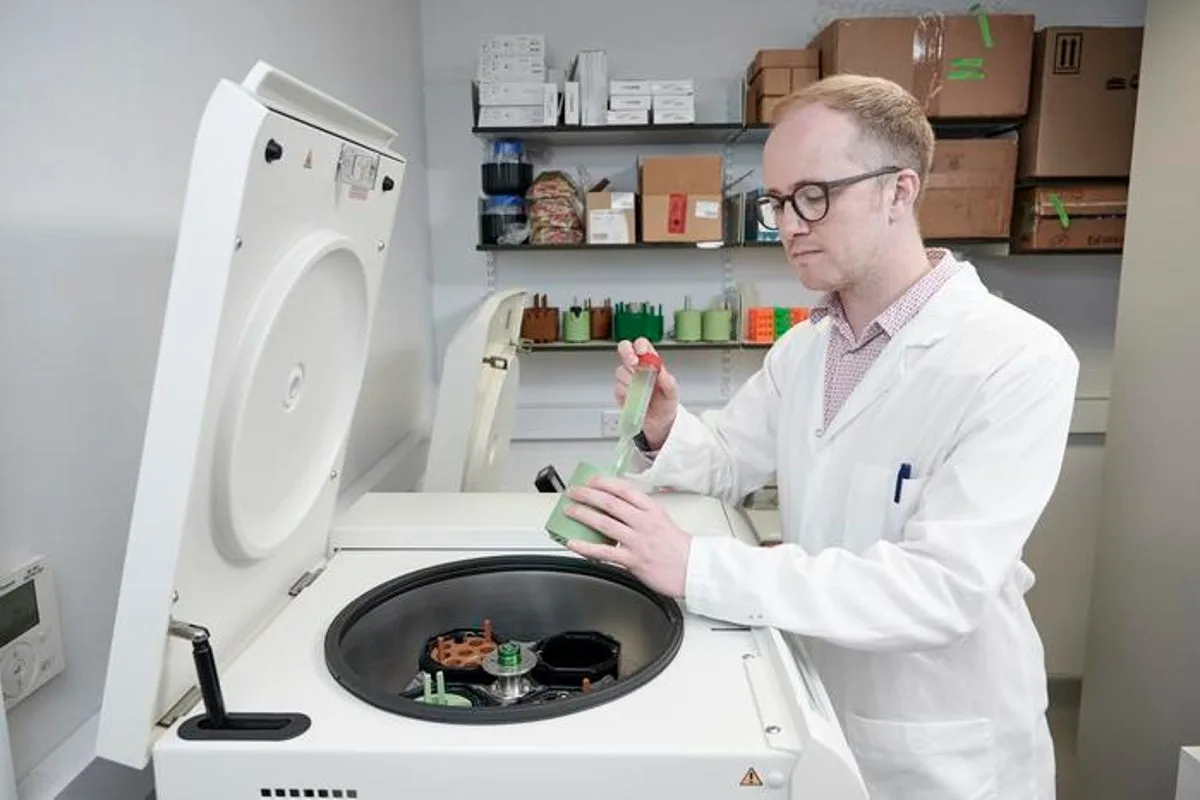
Scientists use bacteria to turn PET plastic into L-DOPA, a Parkinson's drug, offering a sustainable alternative to fossil fuel-based production.
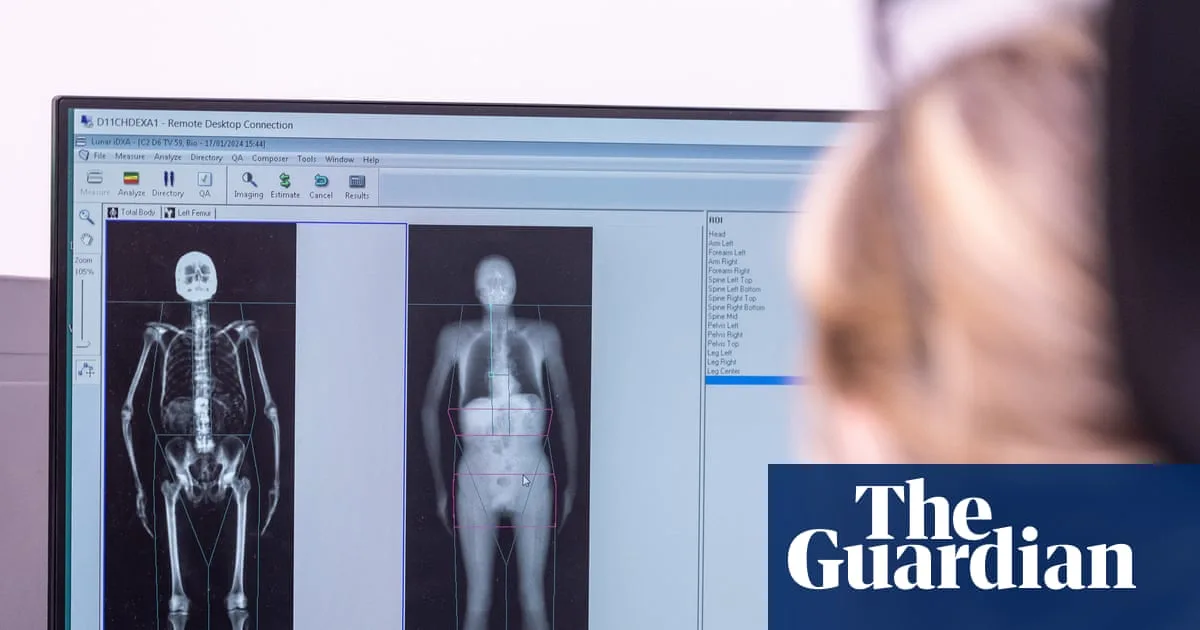
UK Biobank completes full-body scans of 100,000 people, offering one billion images to study ageing and disease, with potential to transform NHS procedures.
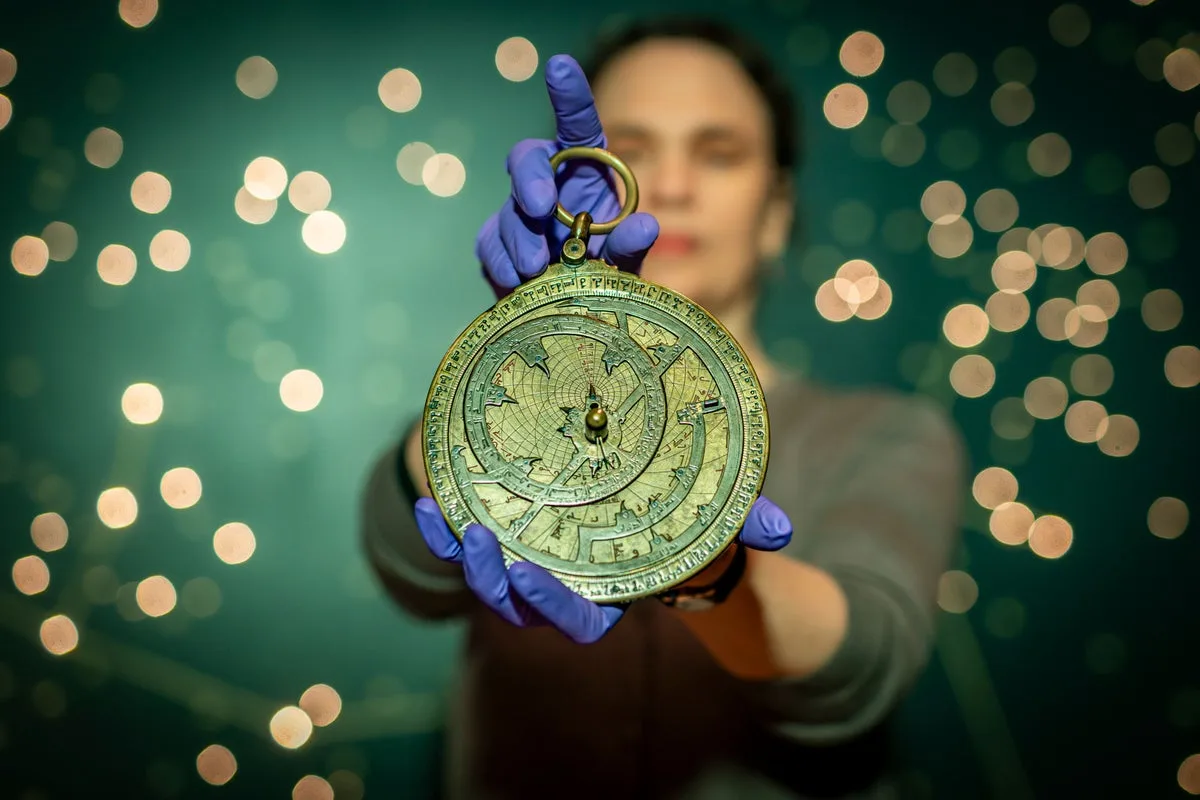
A 1,000-year-old astrolabe, one of Europe's oldest, is celebrated at the National Museum of Scotland in Edinburgh.
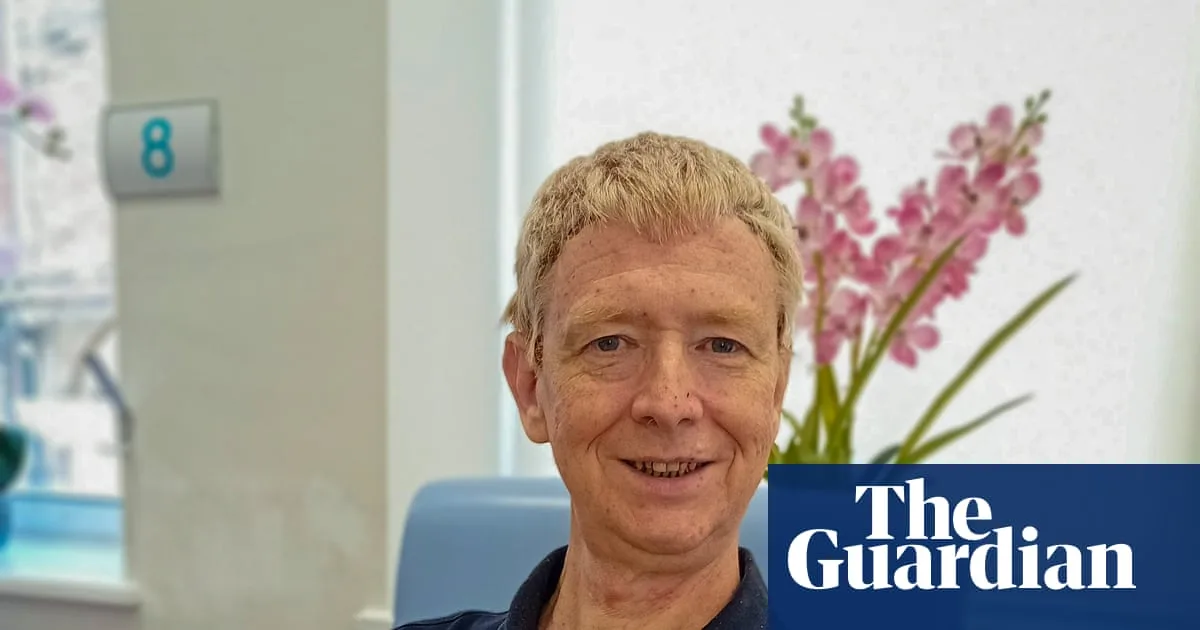
A new cancer jab, amivantamab, has shown unprecedented results in a trial, eradicating tumours in patients with resistant head and neck cancer.
Shared lists with real-time sync. No signup needed — just open and shop together.
Recommended
The NHS will reward people who walk 20 minutes daily with shopping vouchers and discounts under a new 'marathon in a month' challenge to tackle sedentary lifestyles.
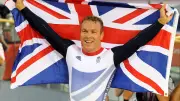
Sir Chris Hoy will provide expert analysis for TNT Sports at the Glasgow 2026 Commonwealth Games, two years after revealing his terminal prostate cancer diagnosis.
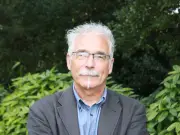
Emeritus professor Gregor McLennan, 74, was found dead on Carnedd Y Filiast mountain in Snowdonia after going missing during record UK heatwave temperatures of 35.9C.

Igor Matanovic confessed to 'slight contact with his hair' after Croatia's late equalizer against Portugal was ruled out by VAR and ball-chip technology.

A prehistoric cave in Israel, undisturbed for 400,000 to 250,000 years, reveals daily life of Acheulo-Yabrudian hunter-gatherers, with tools and animal bones preserved in place.
Shared lists with real-time sync. No signup needed — just open and shop together.
Recommended
Researchers have created tiny, quivering blobs that use synthetic DNA to feed, grow and multiply, marking a significant step toward building life from scratch.
