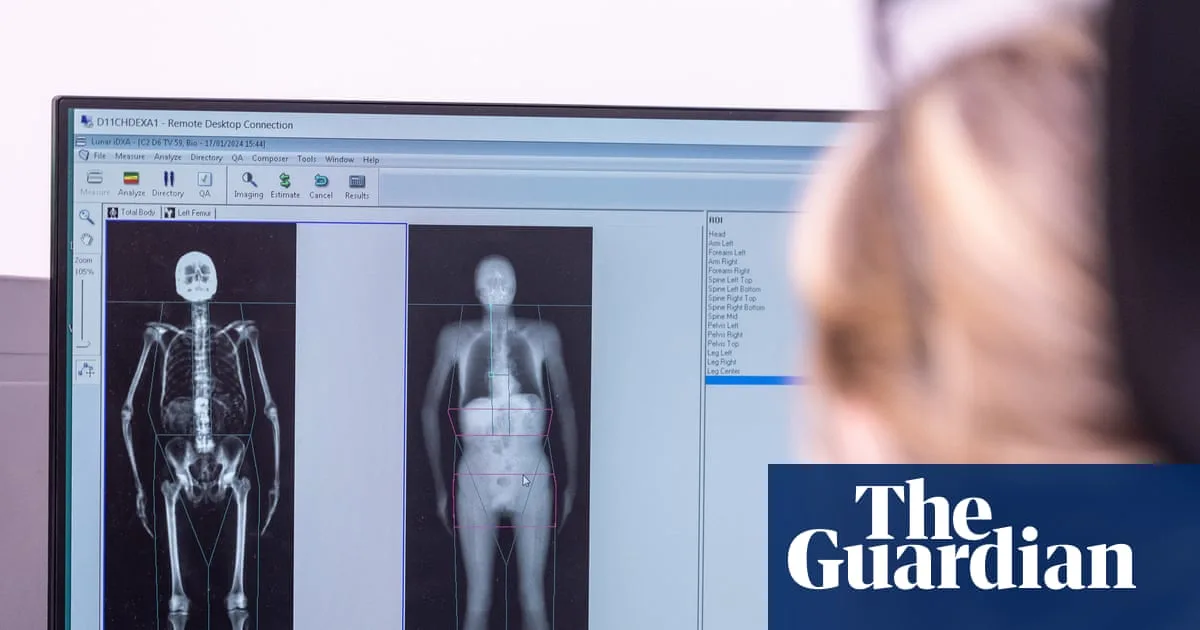
Scientists have completed the world's largest whole-body imaging project, scanning 100,000 volunteers from head to toe over a decade. The UK Biobank initiative has produced one billion de-identified images of organs, blood vessels, and bones, which will be made available to researchers worldwide alongside genetic and lifestyle data.
The scans have already led to breakthroughs, including insights into how the heart influences psychiatric disorders and the ability to predict dozens of future diseases. Chief scientist Naomi Allen said the project offers an 'incredible window into the body,' enabling researchers to study ageing and disease development in unprecedented detail.
Paul Matthews, chair of the UK Biobank imaging group, noted that the scans can detect subtle brain changes associated with dementia risk, such as volume differences as small as a teaspoon of water. The scans also suggest that no amount of alcohol is safe for the brain, with one to two units per day linked to structural changes and potential memory loss.

Patricia Munroe, a professor at Queen Mary University of London, uses the heart images to study genetic influences on cardiac function. Meanwhile, abdominal scans reveal that people with the same BMI can have vastly different fat distributions, altering their heart disease risk. UK Biobank is now re-scanning 60,000 volunteers to track changes over time.
Louise Thomas, a professor at the University of Westminster, found that visceral fat increases and muscle becomes fattier with age, describing the process as becoming 'wagyu beef.' Her colleague has automated aneurysm detection, which could benefit women, who are currently not screened despite facing more serious outcomes.