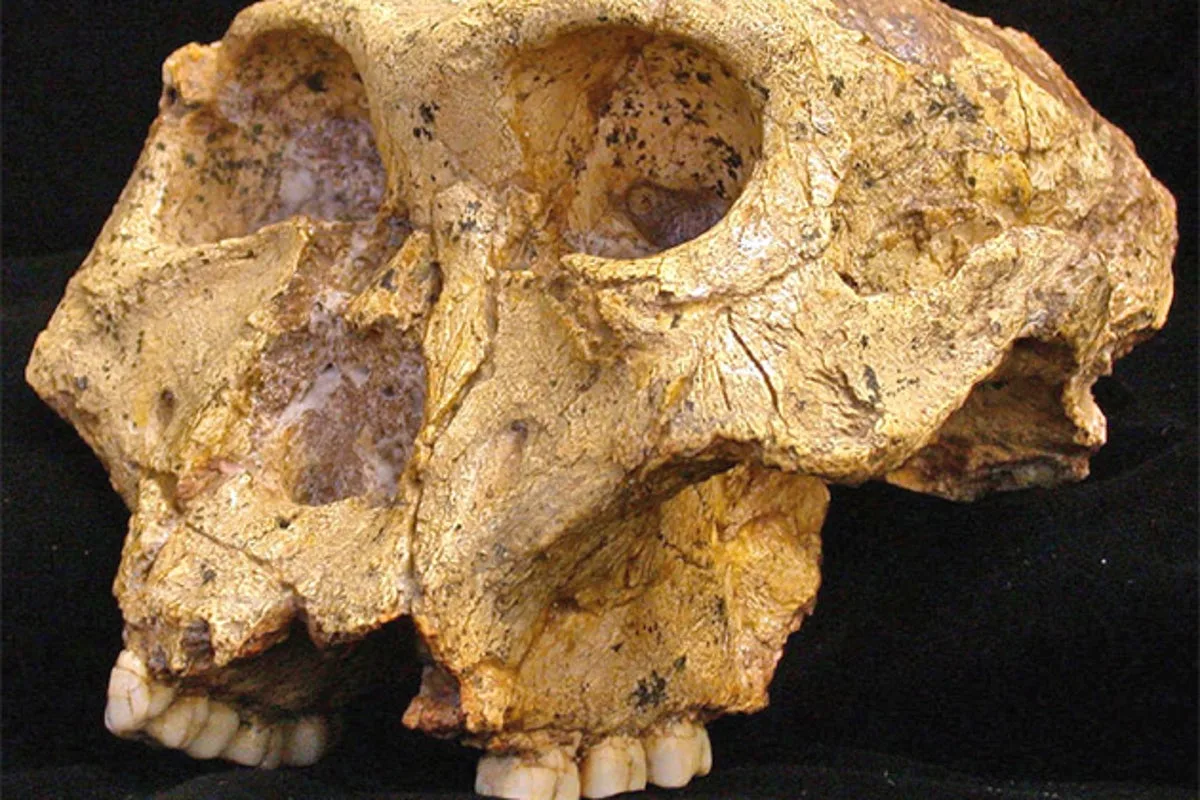
For nearly a century, scientists have been puzzled by fossils of Paranthropus robustus, a robust distant relative of early humans that lived between 2.25 million and 1.7 million years ago. First discovered in South Africa in 1938, this species walked upright and had massive jaws and large teeth with thick enamel, adapted for heavy chewing. However, key questions about its variation, sex differences, and genetic distinctiveness remained unanswered.
Now, a team of African and European researchers has used palaeoproteomics—the analysis of ancient proteins—to study four P. robustus fossils from Swartkrans Cave in South Africa's Cradle of Humankind. Unlike ancient DNA, which degrades in Africa's warm climate, proteins from tooth enamel can survive for millions of years. The analysis revealed the biological sex of the individuals: two were male and two were female.
The protein sequences also uncovered genetic differences. A gene for enamelin, a critical enamel-forming protein, showed variation: two individuals shared an amino acid with modern humans, chimpanzees, and gorillas, while the other two had an amino acid unique to Paranthropus among African great apes. Remarkably, one individual had both versions, marking the first documented heterozygosity in 2-million-year-old proteins.

This discovery challenges previous assumptions about species identification based on protein mutations. What was thought to be a mutation unique to P. robustus turned out to be variable within the group, suggesting a complex evolutionary puzzle with individuals of different ancestries. The findings open a new window into human evolution, potentially reshaping how we interpret diversity in early ancestors.
To confirm these results, the team plans to sample more P. robustus teeth from other South African sites. This research demonstrates that combining morphological studies with ancient protein analysis can create a clearer picture of early hominin relationships.